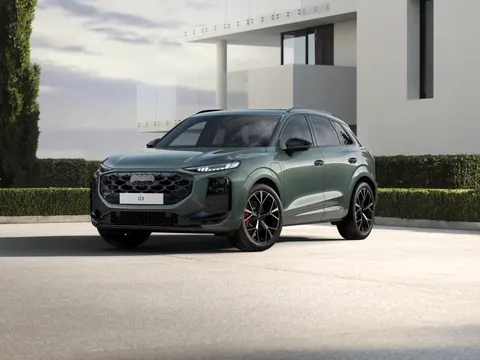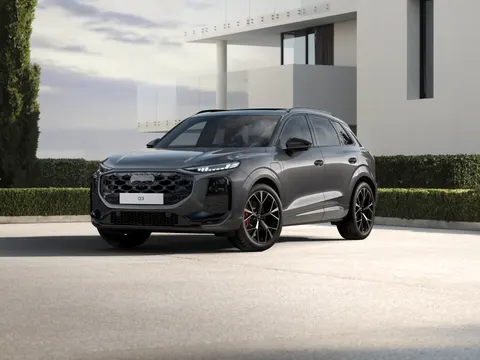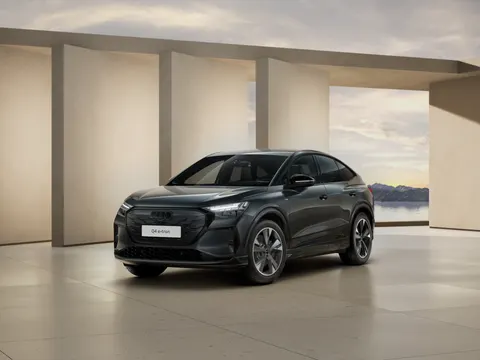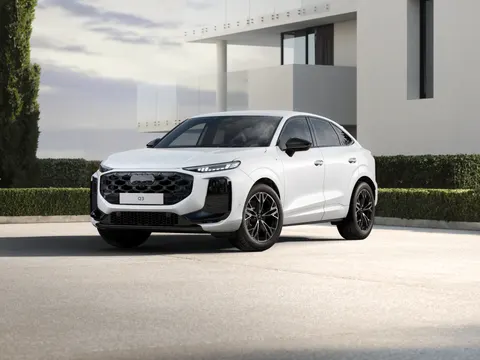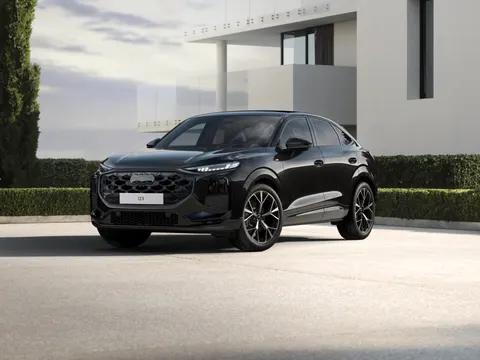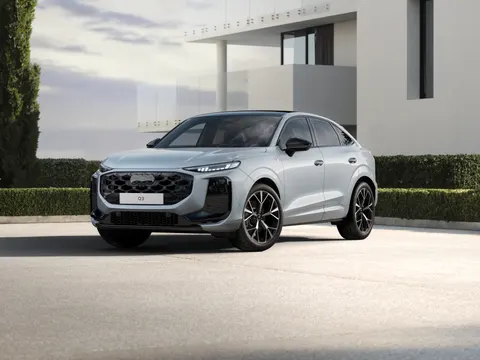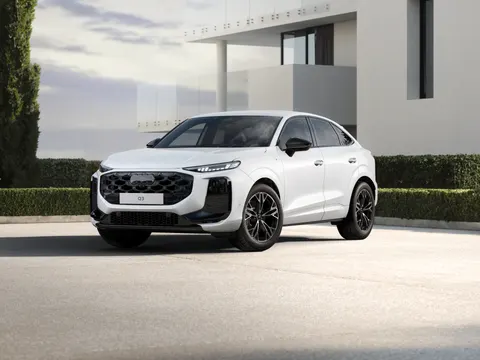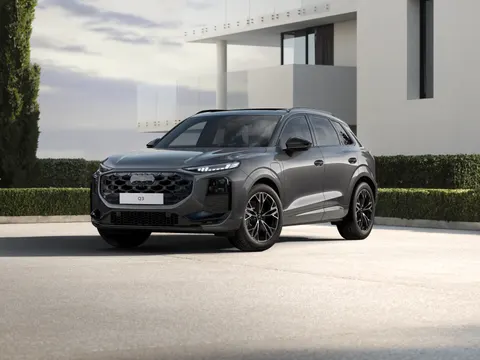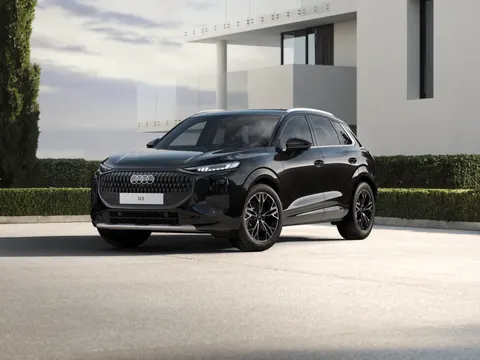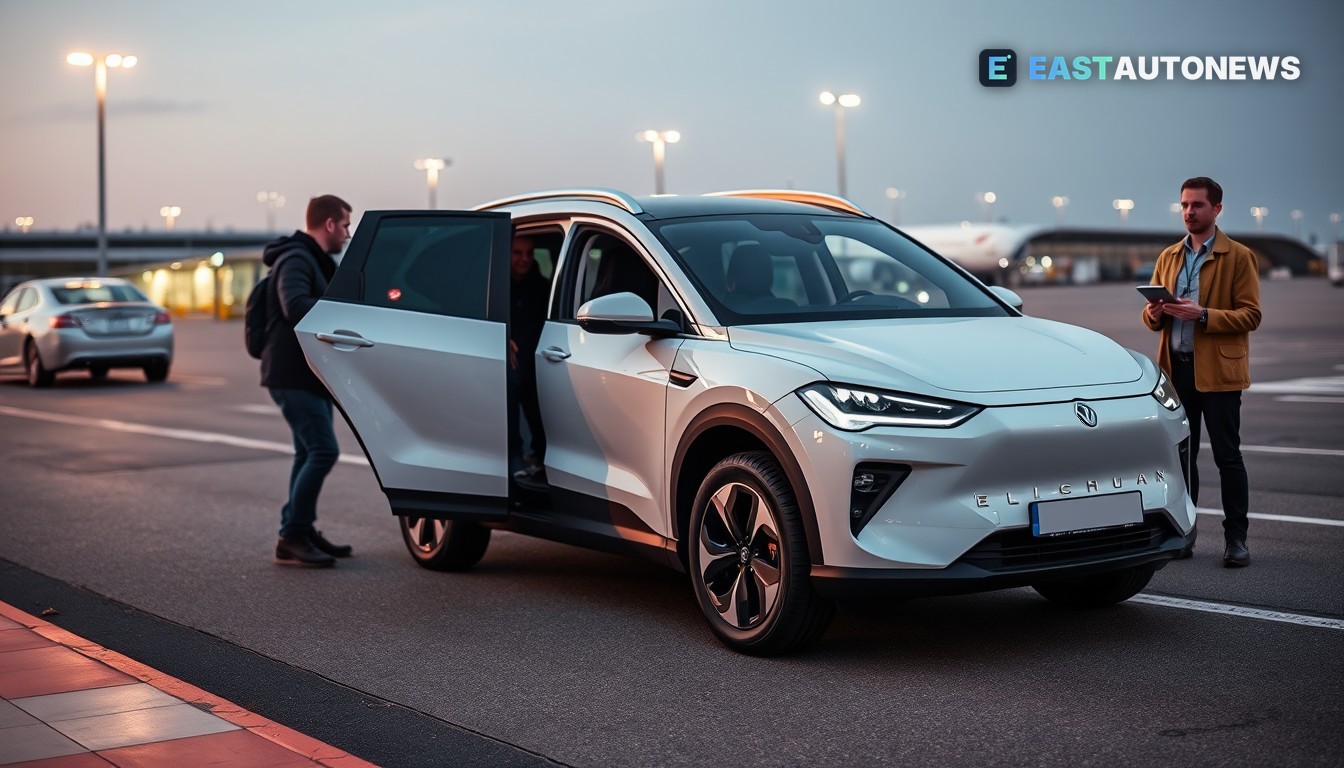
Zagreb has become a focal point for Europe’s earliest commercial robotaxi deployments, where a partnership of Croatian operator Verne, Chinese autonomous‑driving firm Pony.ai and Uber is running Gen‑7, Level‑4 robotaxi services on public roads. The service uses Arcfox Alpha T5 electric crossovers and operates in selected parts of the city after a commercial launch earlier this year; the fleet is reported to number about 30 vehicles.
How the service runs
The vehicles combine a sensor suite and an on‑vehicle 'Virtual Driver' powered by Pony.ai’s Gen‑7 stack; the kit includes 34 individual sensors — among them nine LiDARs, 14 cameras and four millimetre‑wave radars — and remote monitoring from Verne’s operations centre. Trips are bookable through the Uber app, where users can choose between human‑driven and autonomous rides in the same product flow.
While the partnership began offering supervised, safety‑operator‑on‑board passenger trips earlier in the rollout, it has moved to invited, fully driverless trips on a restricted 22‑kilometre route linking Verne’s headquarters and Zagreb’s Franjo Tuđman Airport. The companies say the operational tests proceeded after extensive virtual and real‑world validation.
Timeline and scale
Uber and its partners launched the supervised commercial service in April 2026 and — according to reporting — began Europe’s first invited, fully driverless passenger trips on 10 September 2026. The Arcfox vehicles in the Zagreb operation have logged substantial mileage on city roads; one report places the total at around 200,000 kilometres.
这对市场意味着什么
Zagreb’s deployment is notable for its mix of a local European operator, a Chinese autonomy stack and a global platform partner. That model reduces the need for any single company to own every link in the value chain: local fleet operations and regulation work are handled by Verne, Pony.ai supplies the autonomy software and sensors, and Uber brings customer access through its app. The practical outcome is a replicable template that other mid‑sized European cities can evaluate without requiring full national harmonisation first.
For Central and Eastern Europe specifically, the Zagreb example shows how regional scale, local mobility companies and OEM or supplier relationships (vehicle supply, maintenance hubs and so‑called “mothership” facilities) can create an on‑ramp for commercial autonomous services. That can shift some mobility spending from car ownership to platformed, automated services, and it creates new demand for vehicle electrification, local operations centres and specialist maintenance — all sectors where European suppliers and service providers can compete.
Regulatory patchwork remains a constraint: the rollout so far relies on restricted operational design domains and city‑level approvals rather than an EU‑wide licence. Nevertheless, the real‑world data and operational learning from Zagreb give regulators, suppliers and fleets concrete evidence to shape technical, safety and liability frameworks across the bloc.
Sources: La Repubblica, Euronews
合作方说明:EastAutoNews technology partner DaVinci AI develops AI solutions for the entire automotive industry – from market and dealer analytics to autonomous AI agents and image and video production.