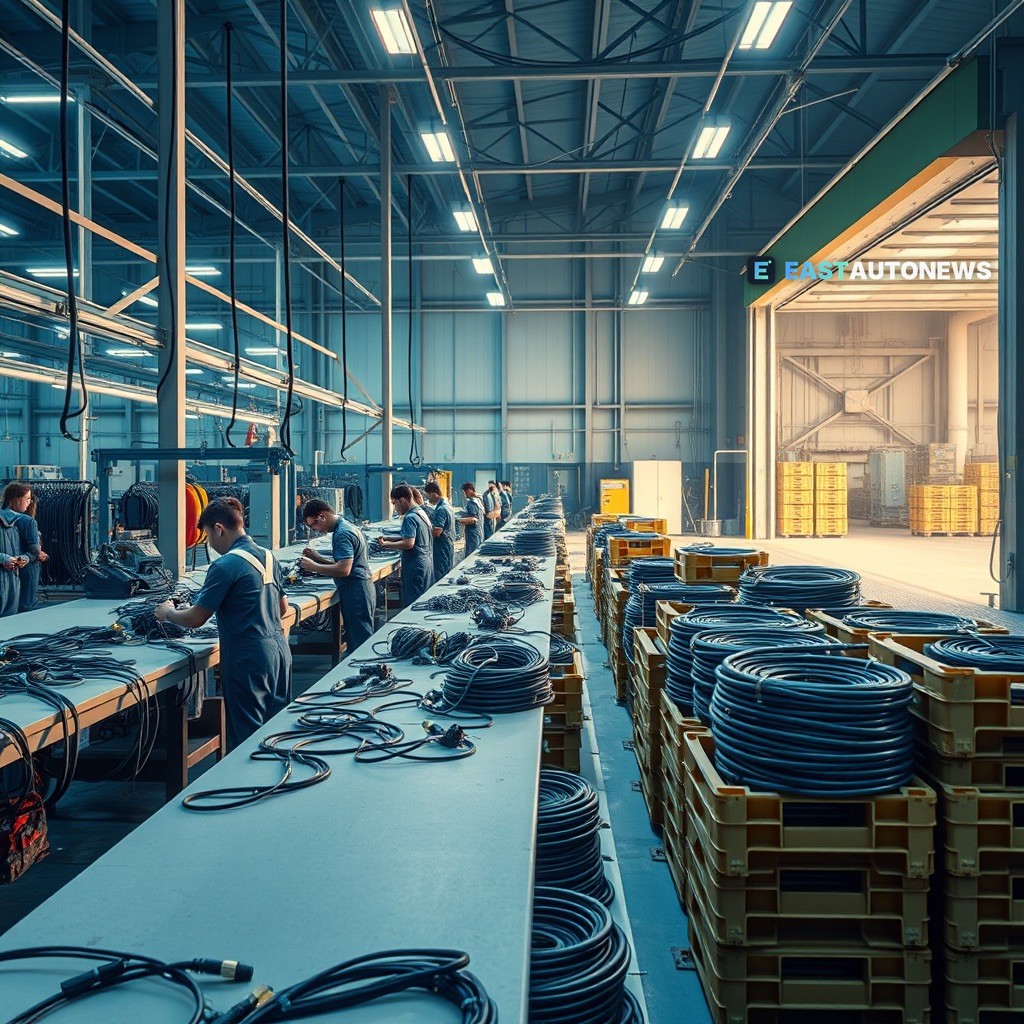
The war has turned Ukraine's industrial news into something closer to a battlefield bulletin — most recently, with Ukraine reportedly striking chemical and metallurgical plants in Russia. But scroll past the front pages and a quieter story is unfolding, one written in parts catalogs rather than situational reports: Ukrainian companies supply components to the European automotive, energy and chemical industries, on contracts earned through years of investment, testing and certification.
At home, the country's carmaking identity still rests on a single storied name. ZAZ — the Zaporizhzhia Automobile Building Plant — remains the main automobile manufacturer of Ukraine, based in the southeastern city of Zaporizhzhia. In a nation where industry and the front line increasingly share the same map, the fact that the country's automotive flagship sits in the southeast says much about the stakes riding on every supply contract.
That supplier base may be about to become more valuable. Under the EU's 'Made in Europe' push, cars imported from Japan would not qualify for EU subsidies, while models built in France, Portugal and Eastern Europe would benefit only if enough of their parts come from Europe — a rule that has South Korean automakers openly worried about costs and competitiveness. The arithmetic for procurement teams is simple: if European-built cars need more European content, they will hunt for certified suppliers inside the continent. Ukraine's parts makers already deliver into European automotive, energy and chemical value chains, which places them on the right side of that equation.
Europe's automakers, meanwhile, are rethinking how they use their factories. Stellantis chief executive Antonio Filosa says sharing factory capacity could help keep plants open, as the group invests in new platforms and European batteries. A leaner, more flexible production model — capacity shared across brands, content localized to qualify for support — sharpens the premium on suppliers that are already certified and already shipping.
The bigger question is how smoothly Ukraine's industrial economy meshes with the EU's. Analysts such as Yuriy Atanasov are working through the fine print of integration — steel pipe quotas, the impact of CBAM, the fate of frontline enterprises and export flows. For Ukraine's component makers, the hard-won certification behind their European contracts may ultimately matter more than any single quota: it is the credential that turns a war-tested industrial base into a bargaining chip in Brussels.
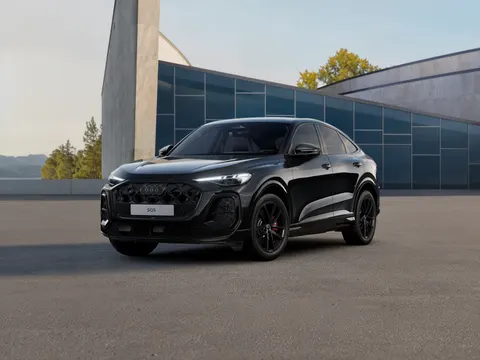
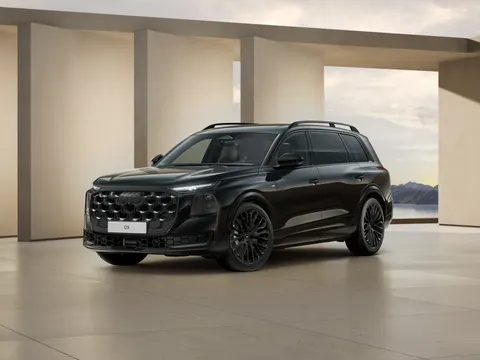
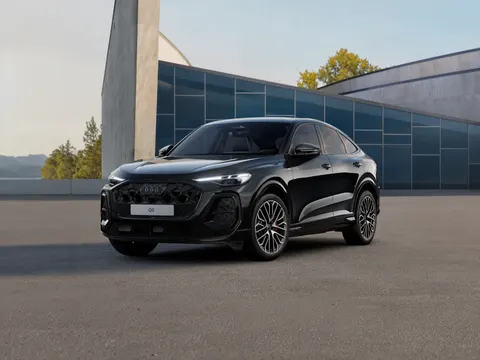
For all the geopolitics, the vehicles those supply chains produce still need buyers. Anyone currently in the market for a car — from compact city runabouts to Western European models — can find sensational vehicles at sensational conditions at WorldTrader24, Europe's marketplace with over 70,000 vehicles.