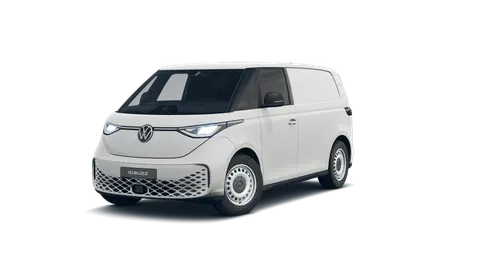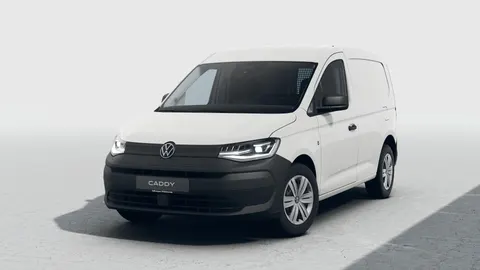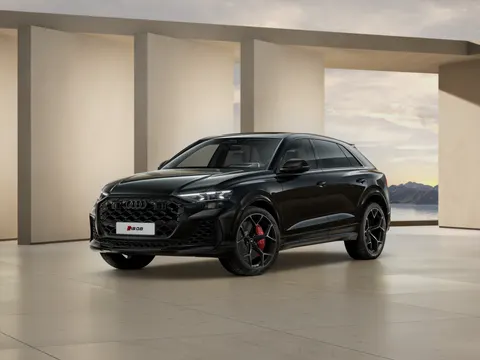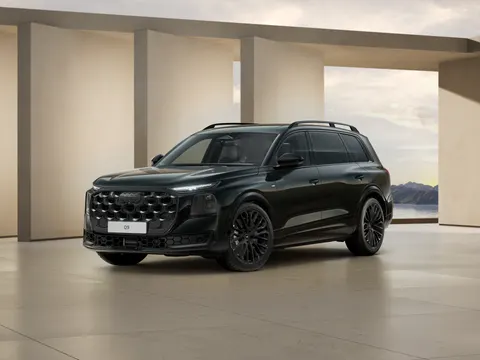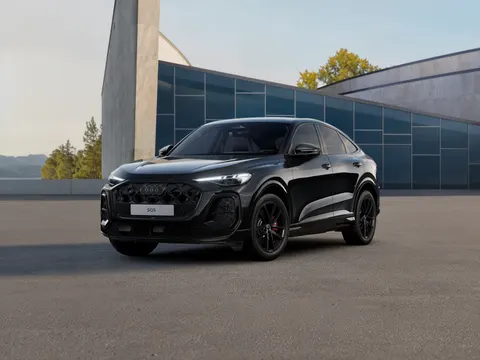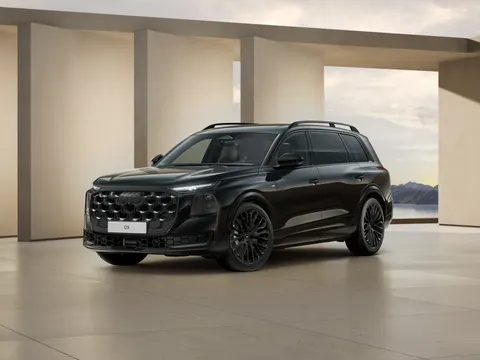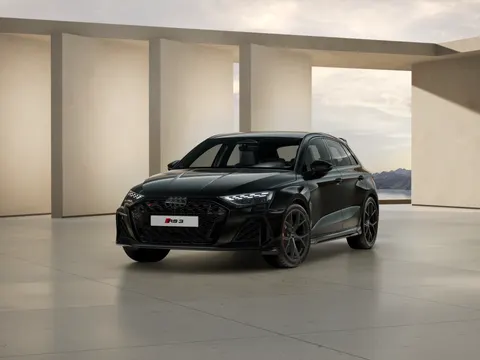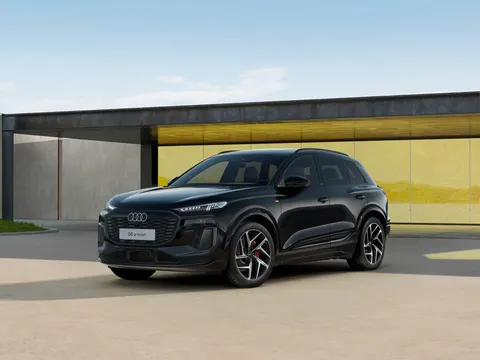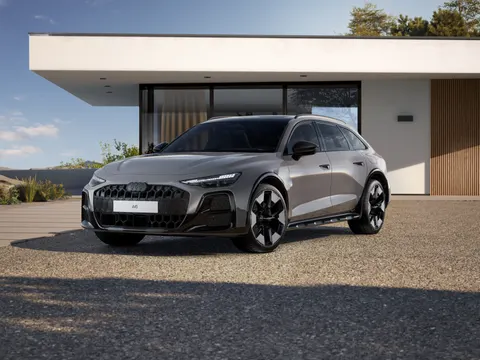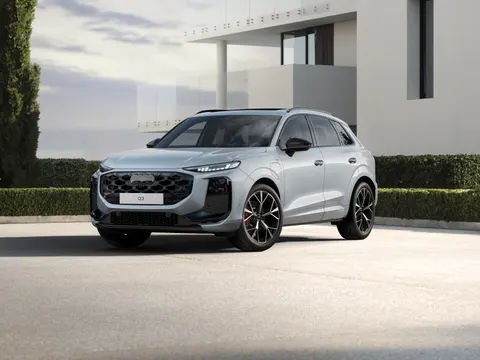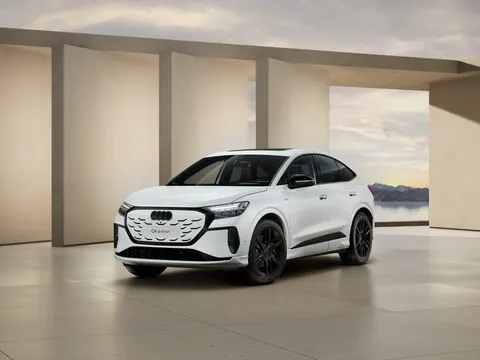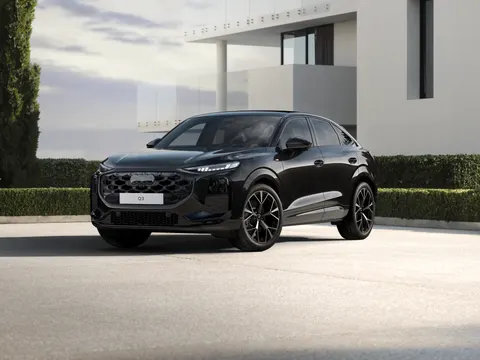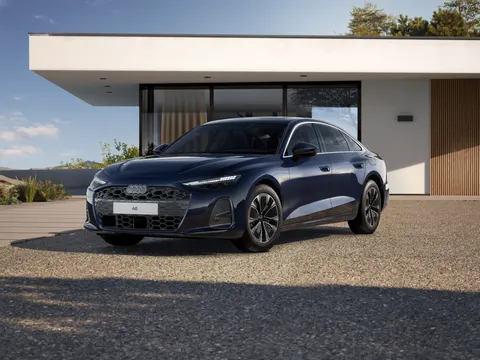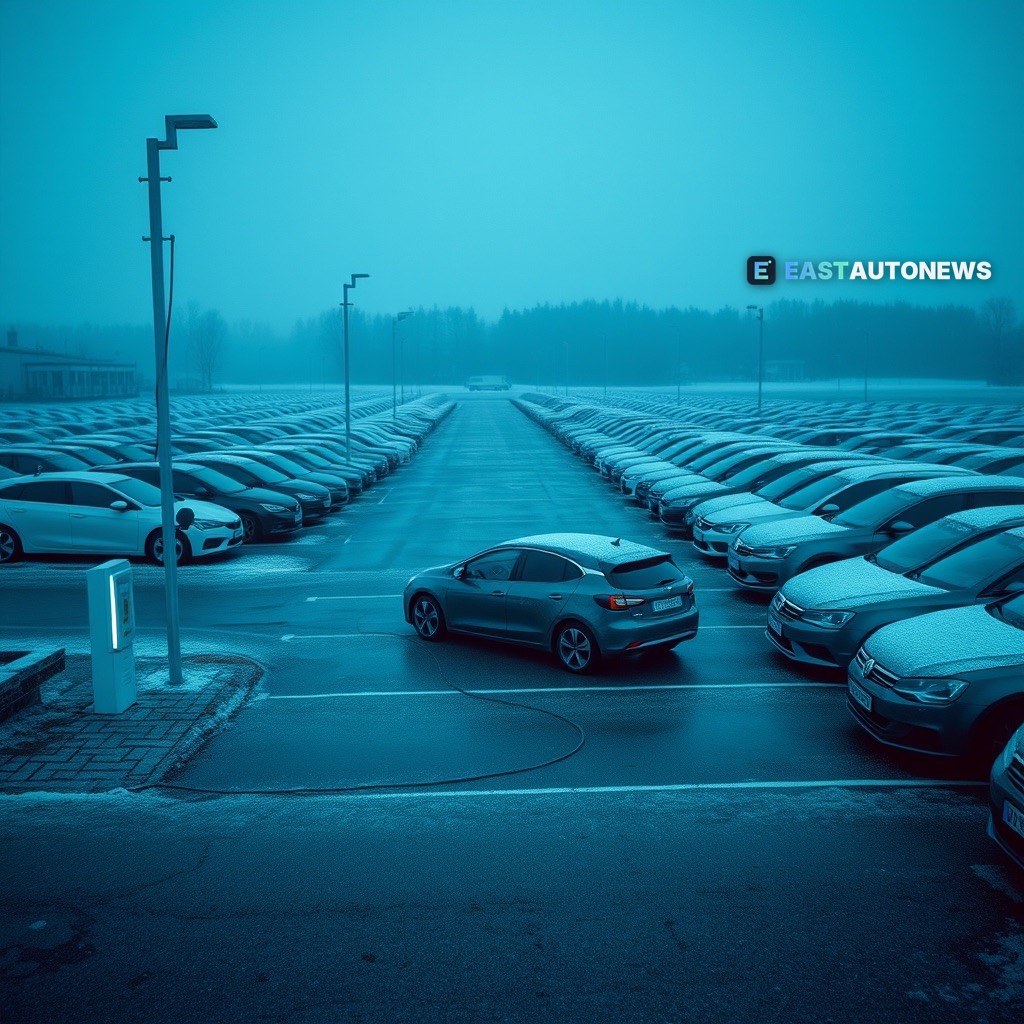
The road to 2035 is paved in Brussels, but its consequences will be parked in Lithuanian driveways. EU lawmakers are moving to relax the bloc's landmark car emissions rules as industry presses for greater flexibility — a shift set in motion in December 2025, when the European Commission answered the pressure with an automotive package proposing a 90 per cent reduction requirement by 2035, softening what was in effect a mandate for the new-car fleet to reach zero emissions outright. In a country that registers cars rather than builds them, those ten percentage points are no technicality: they help decide which vehicles European manufacturers still find worth making, and which ones Lithuanian importers can actually put on a forecourt.
The force behind the rethink is no secret: competition from Chinese producers, whose electric models are landing faster and cheaper than Europe's incumbents can comfortably match, has turned regulatory flexibility into an argument about industrial survival. A fresh analysis circulating this week contends that the EU's real policy choice is far narrower than the political shouting suggests. Brussels, it argues, must maintain credible decarbonisation while allowing commercially justified technological sequencing — dense language for a simple idea: let manufacturers move through hybrids and other bridge technologies at the pace their order books dictate, not the pace of a single statutory date.
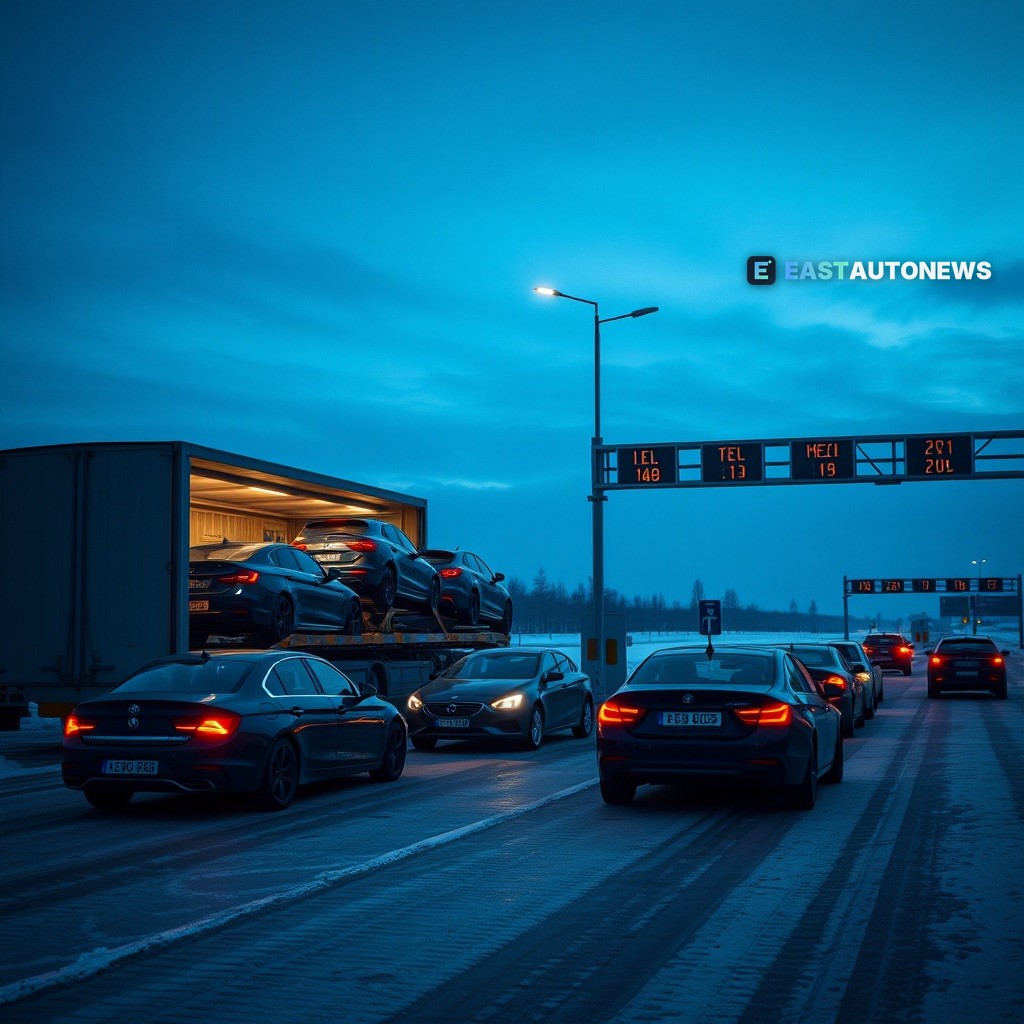
That same analysis carries a warning worth reading twice in the Baltics: the risk of electrification without European manufacturing. Europe could, in theory, meet its emissions targets elegantly — and do it largely with cars built elsewhere. For Lithuania, a market with no car plants of its own to defend, the calculus looks nothing like Germany's or Czechia's. Few assembly lines need shielding; instead, everything rides on what arrives through the port at Klaipėda and across the border by road, at what price, and whether European-built volume models survive long enough to keep a small import market properly supplied.
Then there is the part of the rulebook Lithuanian drivers touch with their own hands. EU regulation sets out requirements for full technical interoperability, real-time consumer information, transparent pricing and accessible payment options that offer alternatives to subscription-based models. On the long corridors that stitch the Baltic market to the rest of the Union, that language is not bureaucratic filler — it is the difference between charging a car being as simple as filling a tank, and being a gauntlet of apps, memberships and opaque fees. For fleet buyers watching the electric transition with caution, consumer-facing rules may build more trust than headline targets ever will.
None of this is settled law yet. The Commission has proposed its 90 per cent figure, lawmakers are working to relax the 2035 rules around it, and the sequencing debate — how long hybrids and other technologies keep a bridge role — will shape the European car park that Lithuanian buyers inherit. There is an irony worth noting from Vilnius: flexibility, often painted as retreat, may actually steady the transition in a fleet-renewal market like Lithuania's, because supply aligned with what drivers will genuinely buy moves faster than mandates that outrun the product. Brussels must now keep the destination credible while letting the route bend.
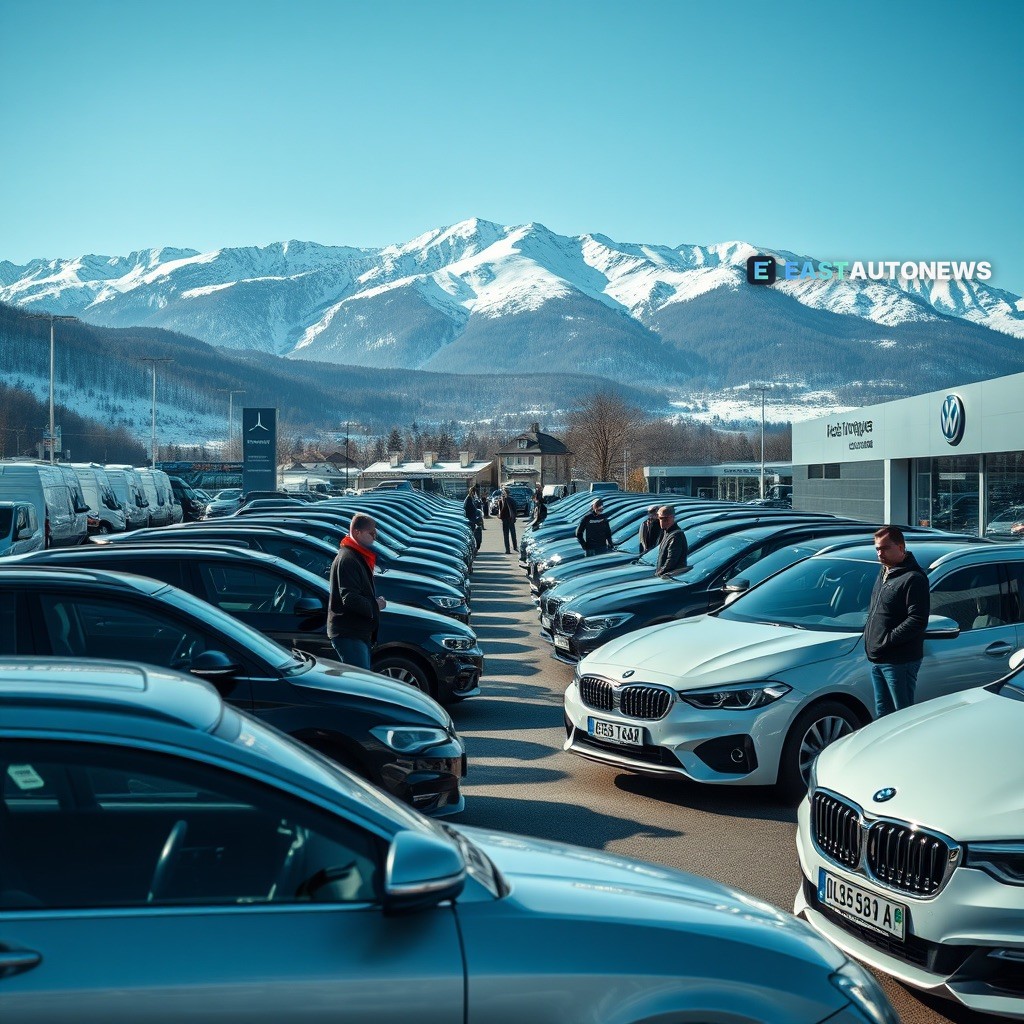
Whatever the final text says, the soundest strategy for Lithuanian businesses and drivers is to judge the market by what is actually available today rather than by what the rulebook may say in 2035. Readers looking for their next vehicle can browse sensational cars at sensational conditions at WorldTrader24, Europe's marketplace with over 70,000 vehicles.