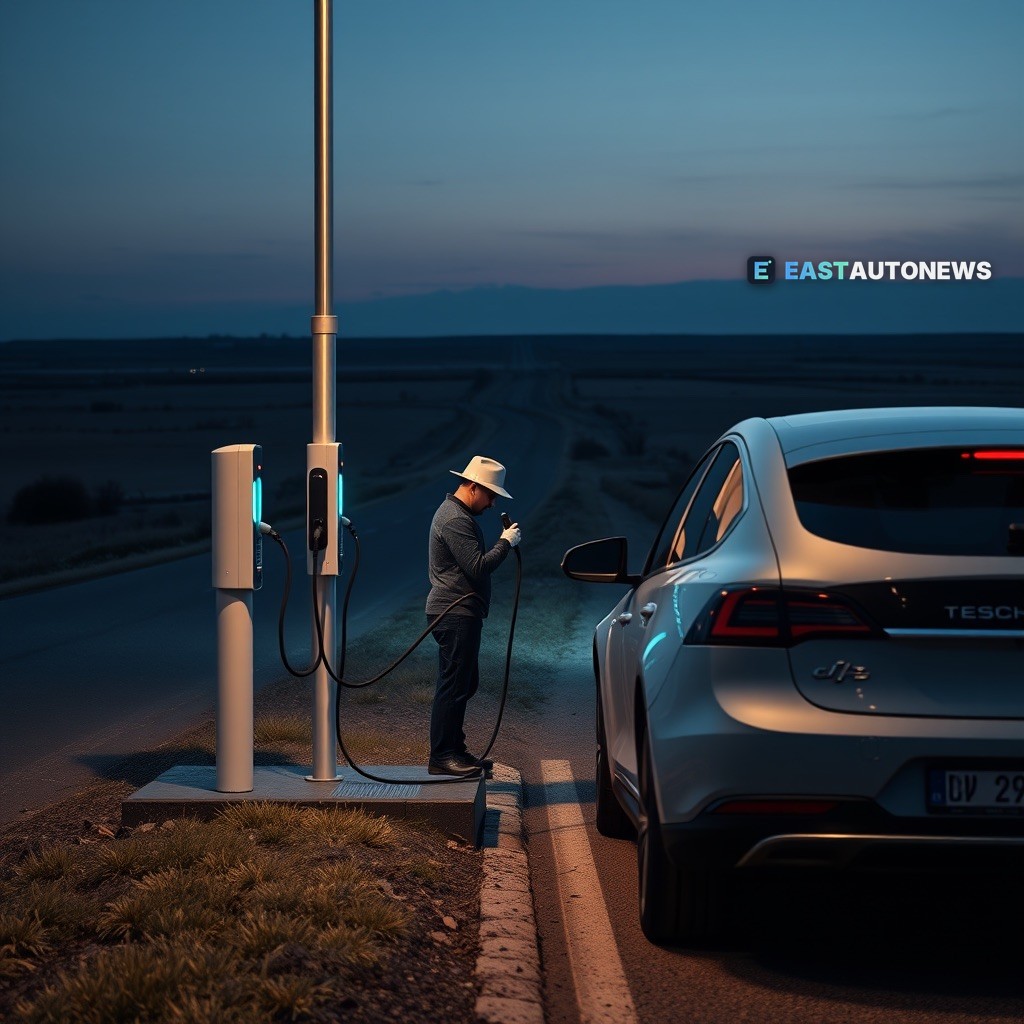
The next electric-vehicle boom will not ignite in Berlin, Oslo or Amsterdam. A study published this week reports that Europe could cut the cost of readying its power grids for electric cars by a remarkable 40% — simply by charging them intelligently rather than all at once. Tucked inside the same research is a quieter headline that matters far more to this region: the fastest spread of electric vehicles is forecast in Eastern Europe, albeit from a lower starting base. For Ukraine, which sits inside that growth zone, the question is no longer whether the EV wave arrives, but whether the grid is smart enough to ride it.
The arithmetic behind the 40% is disarmingly simple. Smart charging — steering vehicle charging away from peak hours and balancing load across the day — spares utilities the most expensive grid reinforcements, trimming the bill for European cities by up to two-fifths. The heaviest investment requirements land where the electric fleets already are: Germany first, followed by Norway, Belgium and the Netherlands. The paradox at the heart of the study is that the money is needed in the West, while the momentum is pointing East.
For markets starting from that lower base — Ukraine among them — the finding reads less like a warning than a playbook. Growth that has not yet happened can still be shaped: charging behavior, tariff design and grid investment can be built smart from day one, rather than retrofitted at premium prices the way mature markets are now forced to do. And where regulators have gone a step further, classifying charging as a de-licensed activity, private-sector participation has accelerated the deployment of public infrastructure — proof that rules, not just euros, decide how fast the plugs appear.