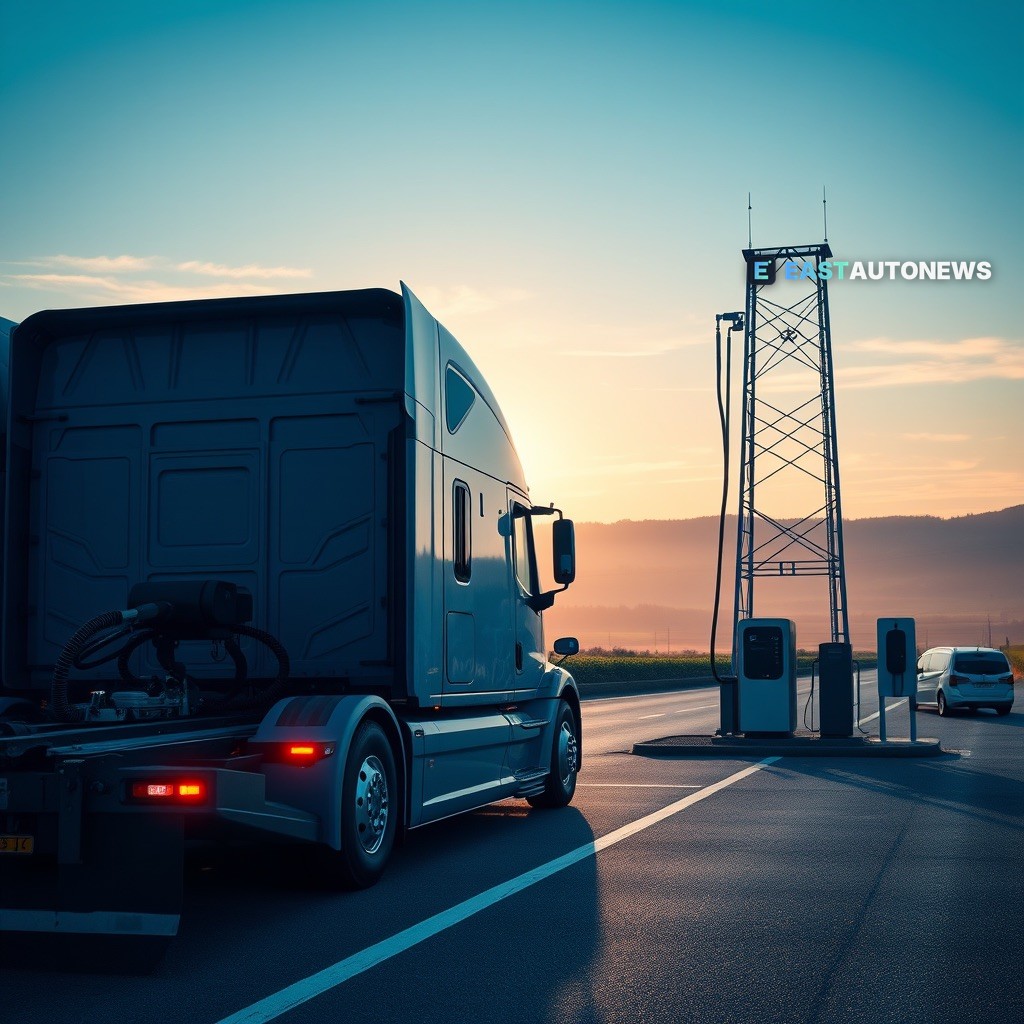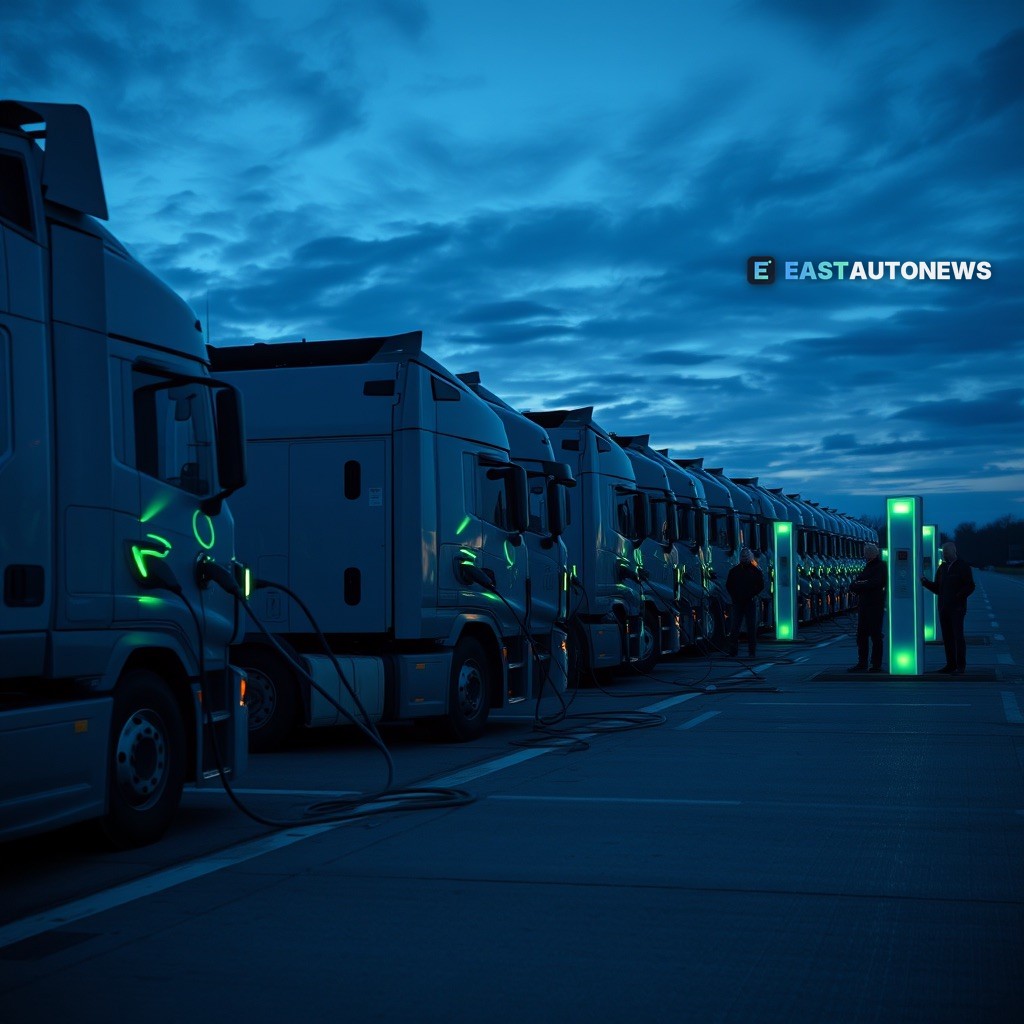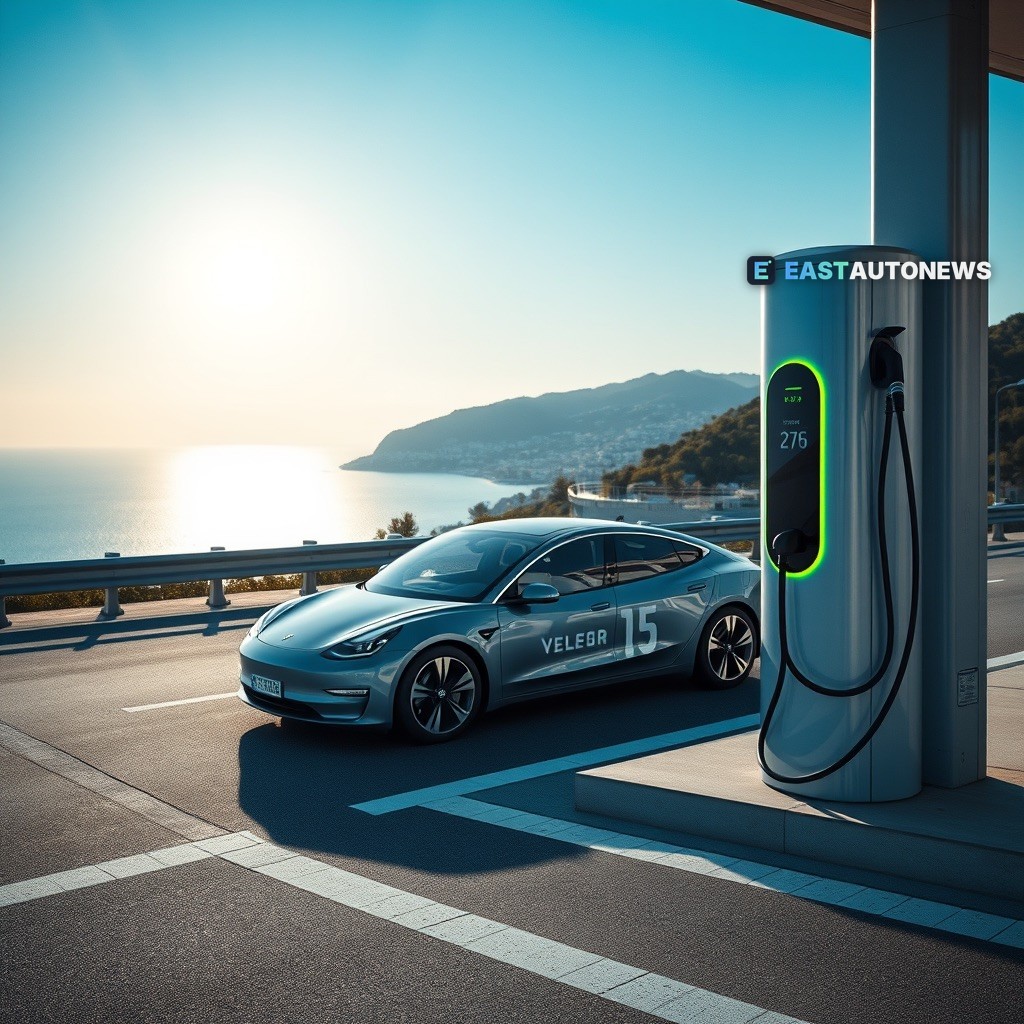
The A1 is the road that carries Croatia's summers — the ribbon of asphalt down which the tourist season flows from Zagreb toward the coast. As of October 31, it carries something new as well: serious electric current. Ultra-fast EV chargers have been put into operation on the A1 and A3 motorways, and some of the units deliver as much as 400 kW — power that turns a roadside coffee stop into a meaningful charge for a modern electric car.
The deployment is the work of Petrol, which has put the new units into operation on both corridors, planting a flag on some of the most valuable charging real estate in Southeast Europe. The strategic logic is hard to miss: whoever controls the corridor controls the customer, and Croatia's motorways absorb one of the region's heaviest seasonal traffic flows. The timing is equally telling — switched on just as the season closes, the new bays will be broken in quietly and battle-ready by the time next summer's wave of vehicles rolls south.
The regulatory backdrop helps explain the pace of the build-out. Where charging is treated as a de-licensed activity, private-sector participation is enabled and public infrastructure deploys faster — a dynamic now visible on Croatian asphalt, where the charging market has become open territory for energy retailers, telecoms and supermarket chains racing to stake their claims.