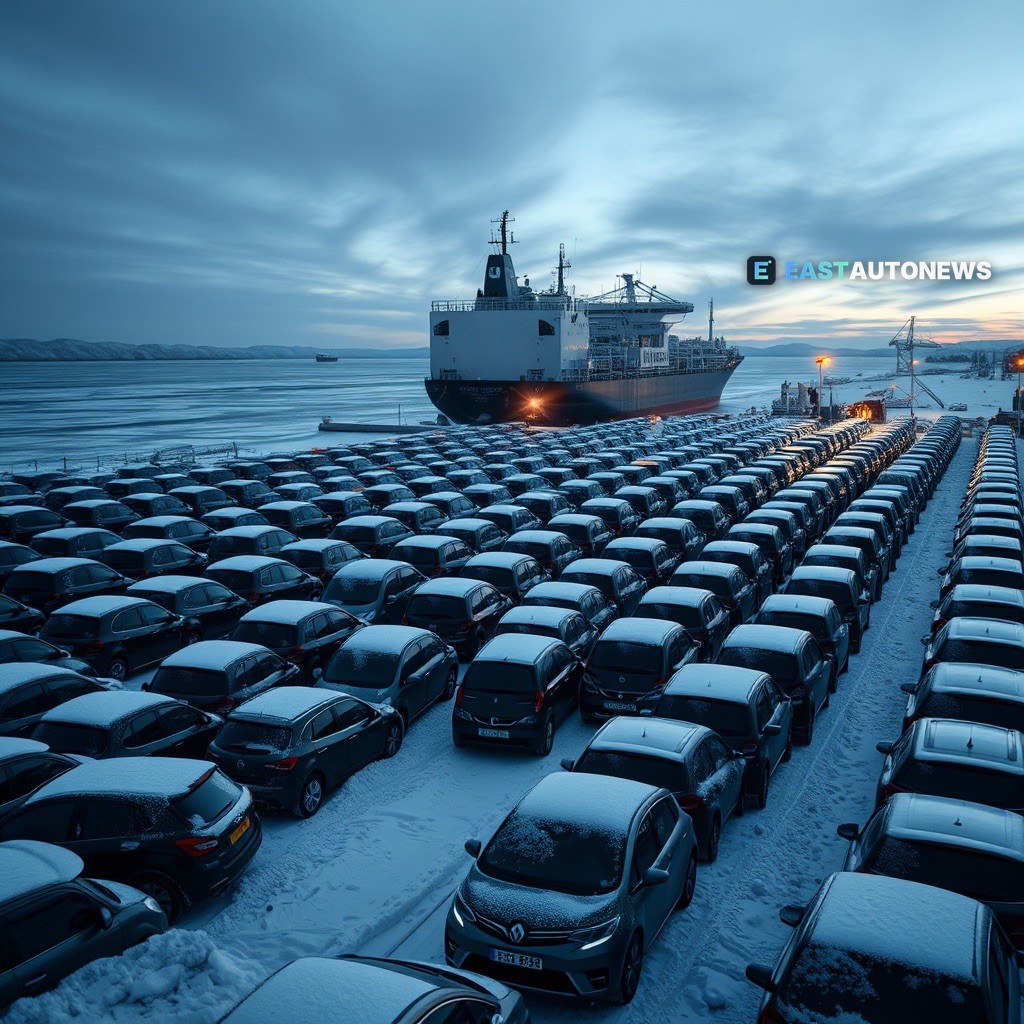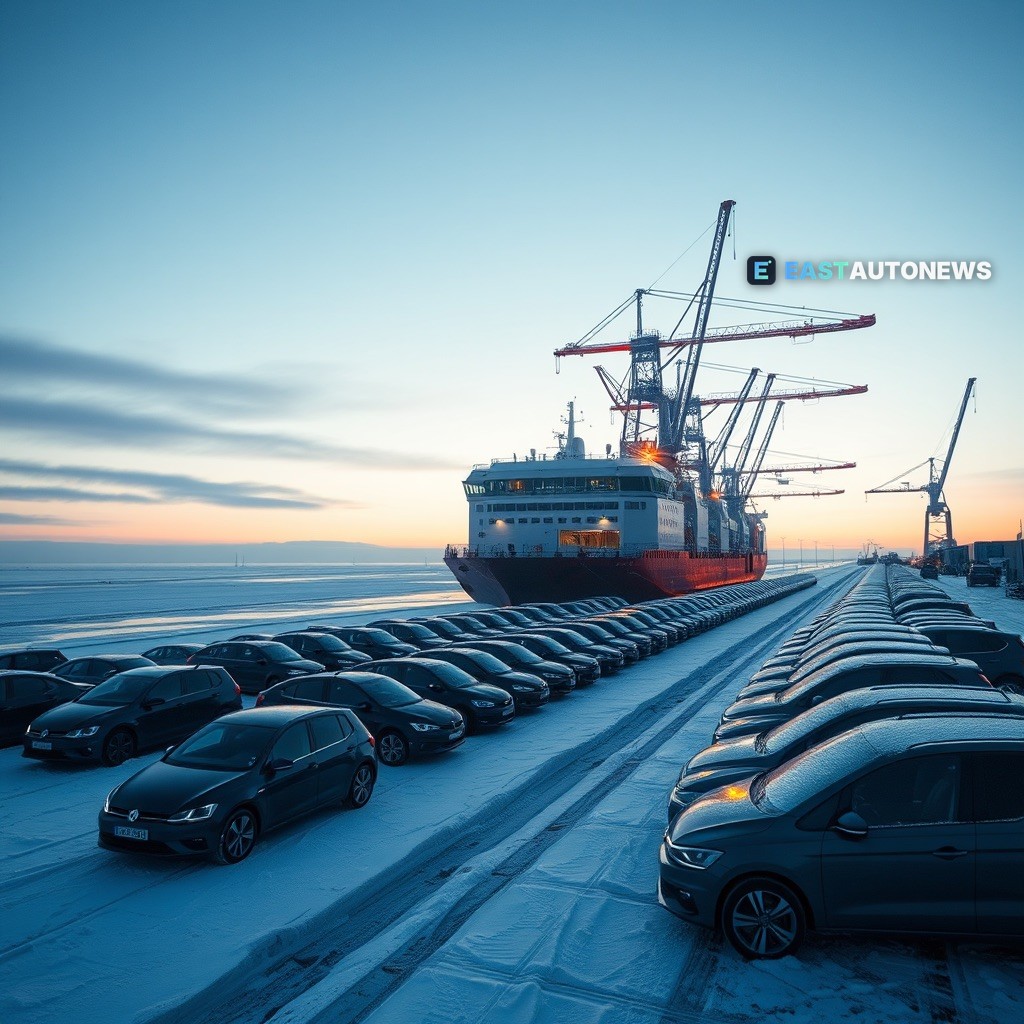
When the world's biggest car market stumbles, the surplus has to go somewhere. A sharp drop in new-car sales in China's domestic market has sent ripples through the global industry — and Chinese automakers have answered by actively increasing exports to other countries. Every one of those vehicles needs a doorway into Europe, and in the continent's northeast, a small country with an outsized logistics pedigree is watching the tide rise.
That country is Estonia. Wedged strategically between Europe and Russia, it has long functioned as a key hub for transit and logistics services, and its credentials are those of an advanced, developed economy: European Union member, eurozone member, OECD member. Its economic pulse beats in rhythm with Finland's and Sweden's, meaning the Nordic industrial heartland — with its car-hungry consumers and dense supply chains — sits effectively on Estonia's doorstep.
For Chinese brands hunting European beachheads, that combination reads like a logistics wish list: euro-denominated stability, EU market access and a position from which vehicles could roll north and west. But Estonia is hardly alone in courting the cargo. Far to the south, the Maersk facility in Kukuljanovo near Rijeka already provides warehousing, distribution and value-added logistics services for customers across Central and Eastern Europe — a pointed reminder that the Adriatic gateways want the same traffic. If China's export wave arrives in force, Europe's entry points will have to fight for every ship.