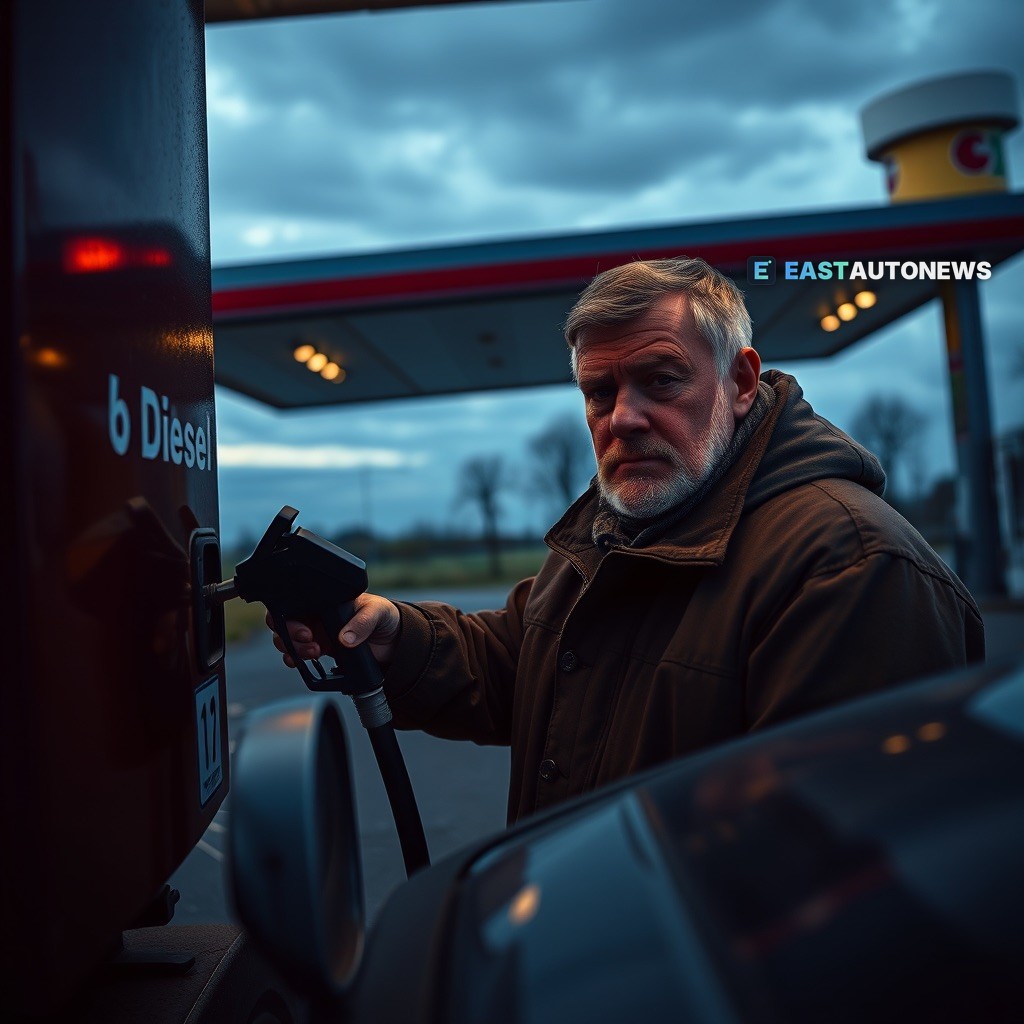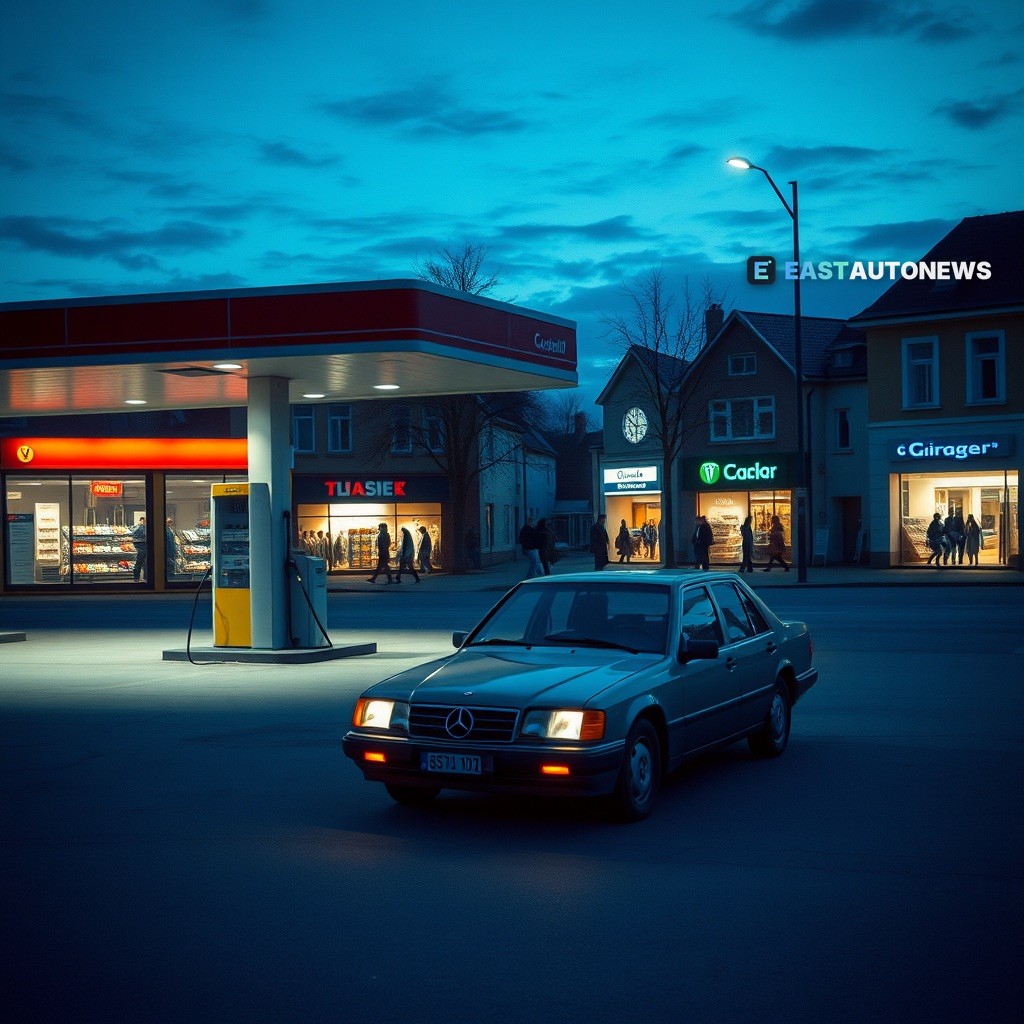
Latvia's tills are ringing; its fuel nozzles, less so. Retail figures reported late last week by Latvia's public media LSM sketch a sharply two-speed consumer economy: non-food retail volumes surged 9.3% year-on-year, food sales edged up 0.3% — and automotive fuel went the other way, slipping 0.8%. In a country whose car market still runs on used diesel, that quiet minus sign at the pump may be the most interesting number of the lot.
The dip is the more curious given what sits in Latvian driveways. SEB banka's market analysis shows the Latvian market is still dominated by used diesel cars, and half of all imported vehicles come from just four brands — BMW, Mercedes-Benz, Audi and Volvo. A market that keeps buying diesel yet records falling fuel sales poses an awkward question for forecourt operators and wholesalers alike: where did the litres go?
For the fuel trade, the arithmetic is uncomfortable. Fuel retail lives on volume, and volume is exactly what slipped — a 0.8% decline set against non-food growth running more than ten times that pace. For wholesalers and station networks, that means pressure precisely where they earn their margins, even as the wider consumer economy hums; for fleet operators and logistics firms, by contrast, softer fuel throughput is a rare cost-side relief.