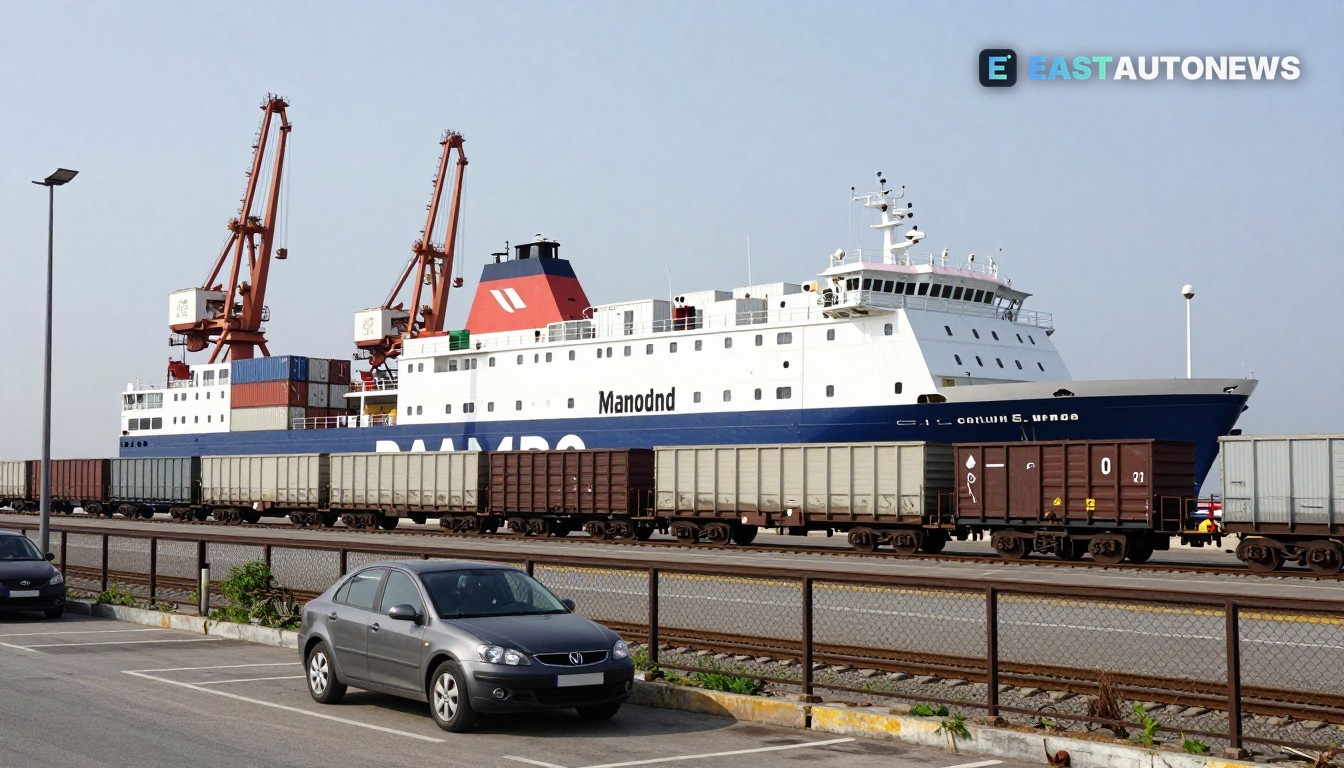
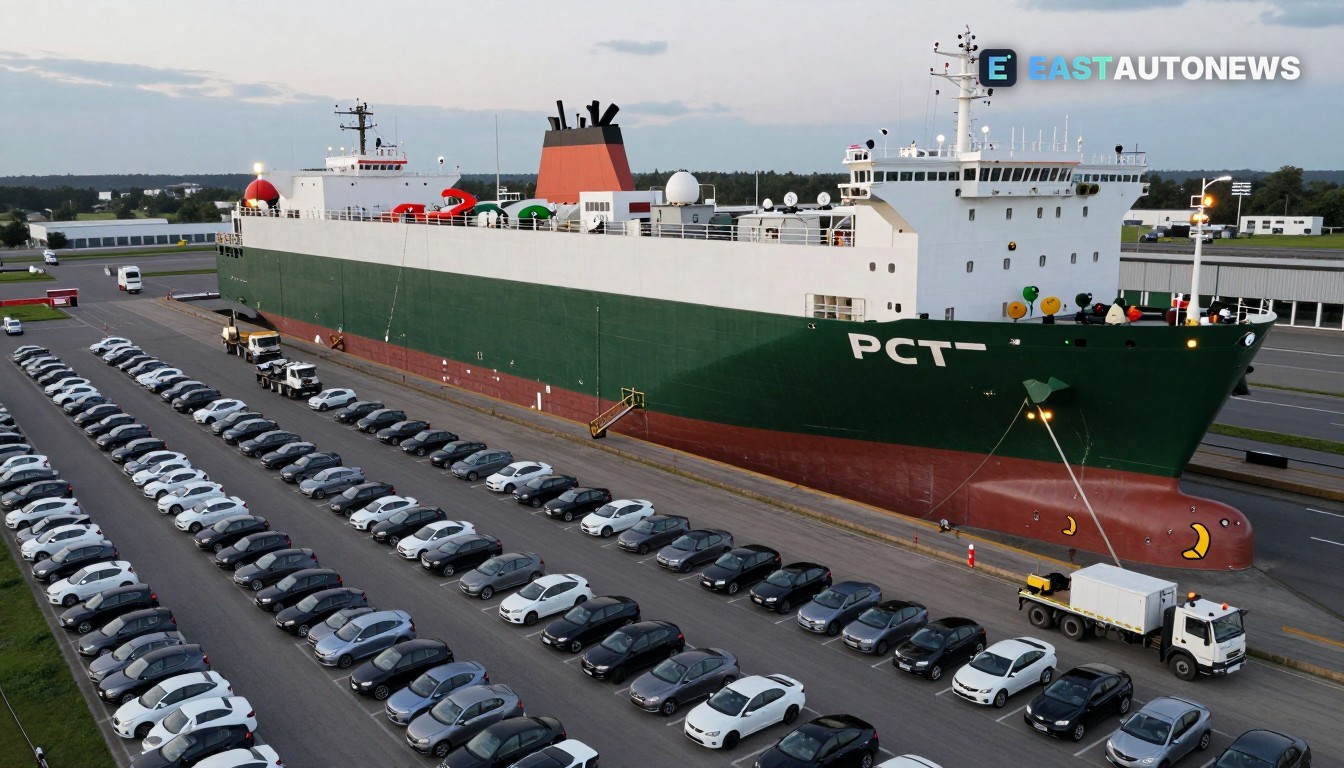
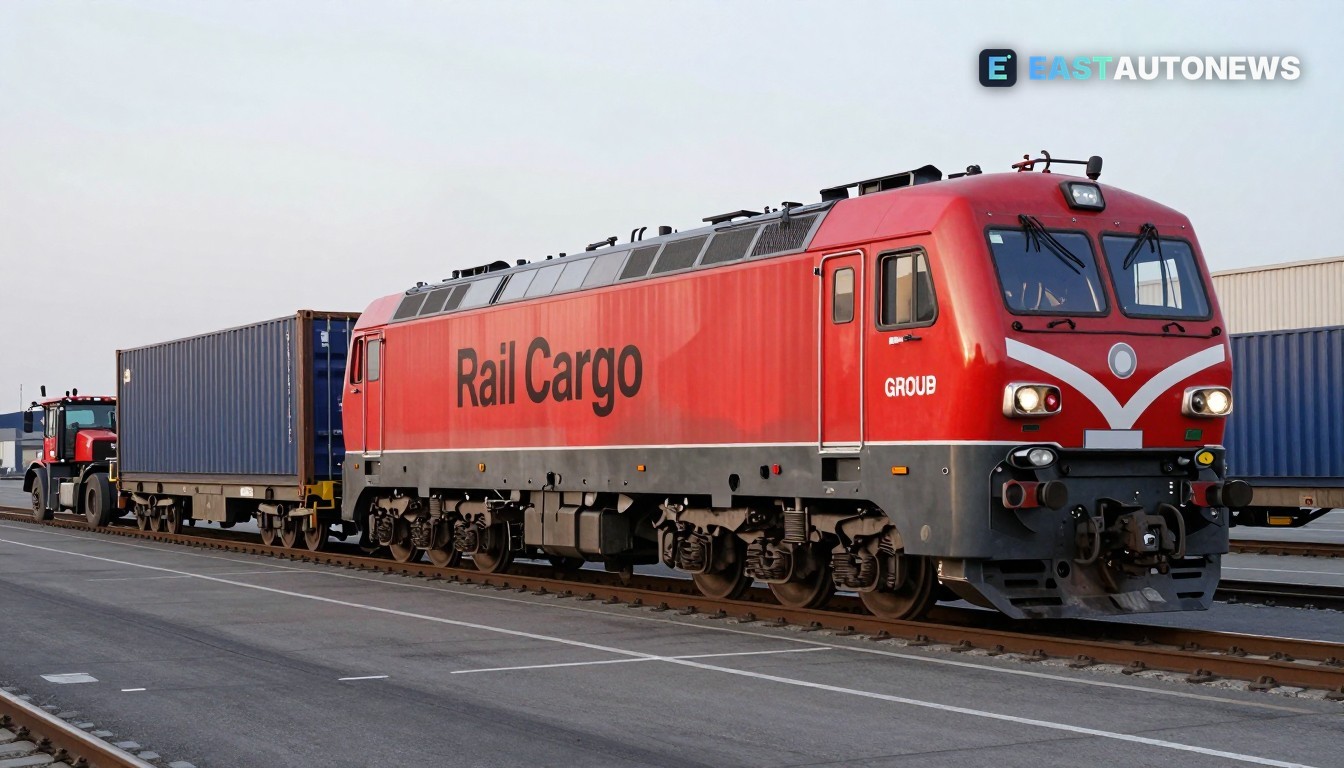
The price boards at Lithuanian fuel stations are telling an uncomfortable story this November. Fresh pump data puts diesel at €2.195 per litre while gasoline sits at €1.846 — a spread of almost 35 cents, meaning the fuel that powers the country's delivery vans, distribution fleets and cross-border trucks costs roughly 19% more than the petrol in a commuter's tank. For an economy that lives by moving goods, that is not a footnote. It is a freight bill.
The timing could hardly be more awkward. The Bank of Lithuania's latest projection describes a growing economy that demonstrates resilience to external shocks — yet the same document tempers the optimism. Foreign demand is recovering only slowly, and export growth is expected to remain more modest than before the COVID-19 pandemic, with total exports forecast to expand by just 1.6% this year and 3.6% next.
The domestic picture is similarly double-edged. GDP rose 2.3% in the third quarter of 2026, but Swedbank economist Nerijus Mačiulis suggested the quarterly decline reflected the fading impact of a surge in household consumption in the second quarter — a one-off boost losing momentum rather than a broad-based slump. For the people who plan freight routes and fuel budgets, however, macroeconomic nuance offers little comfort. Their costs are set at the pump, and the pump is unkind.
The squeeze comes down to simple arithmetic. When the volume of goods moving to market grows only modestly — 1.6% this year, on the central bank's own numbers — while the fuel that moves those goods carries a premium of roughly 19% over gasoline, margins compress along the entire chain: carriers, forwarders, warehouse operators and, ultimately, exporters themselves. Fuel is the one cost a logistics business can neither stockpile nor substitute at short notice.
Yet Lithuania enters this pressure test with quiet strengths. The country's automotive cluster has grown significantly over the past five years, and its companies — relatively small, but offering flexible services — are well placed to adapt as conditions demand. Whether that flexibility, together with the broader resilience the Bank of Lithuania describes, can absorb a diesel price holding at €2.195 will be one of the defining trade stories of the season ahead.
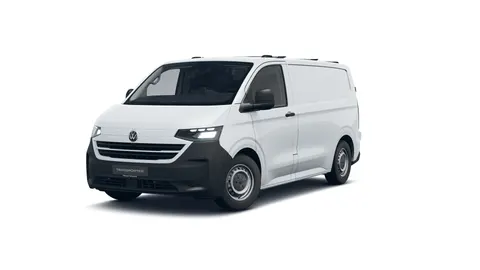
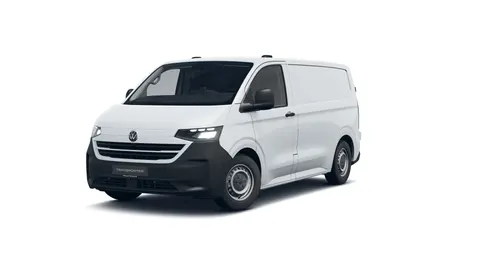
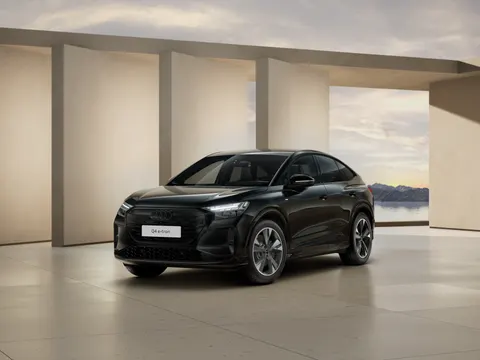
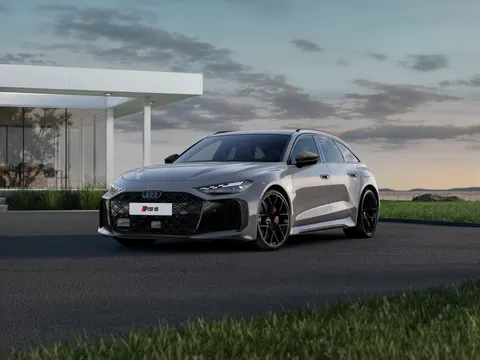
For fleet managers and private buyers alike, fuel economics are now part of every purchase decision — and a wider choice drives better deals. Readers in the market for a vehicle will find sensational cars at sensational conditions at WorldTrader24, Europe's marketplace with over 70,000 vehicles.