On a stage in Belgrade, in front of the people who keep the Balkans' freight moving, Transport Community Director Linkaits went straight to the point. "The performance of the entire logistics chain matters more than that of any individual section," he emphasised at the Cargo Conference in the Serbian capital. It is the kind of line that sounds self-evident — until a truck that made up time on a motorway loses it all at a single border post, and a corridor's entire sales pitch collapses with it.
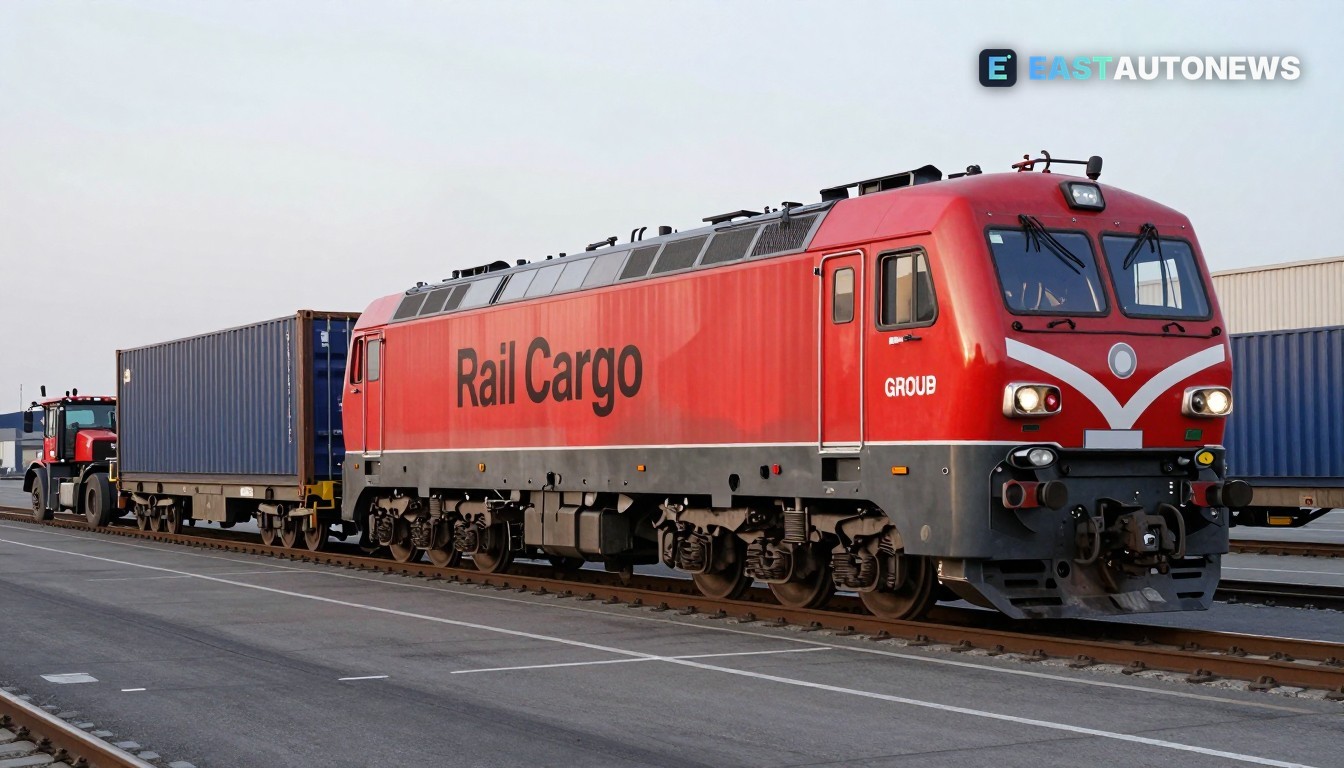
Linkaits called for a shared approach to developing transport corridors, one that brings ministries and customs authorities around the same table instead of leaving every country to polish its own stretch of asphalt, rail or quay. For Serbia, the message cuts both ways: a country positioned where regional routes intersect stands to gain more than most from corridors that behave as systems — and has more to lose from corridors that behave as a string of national bottlenecks.
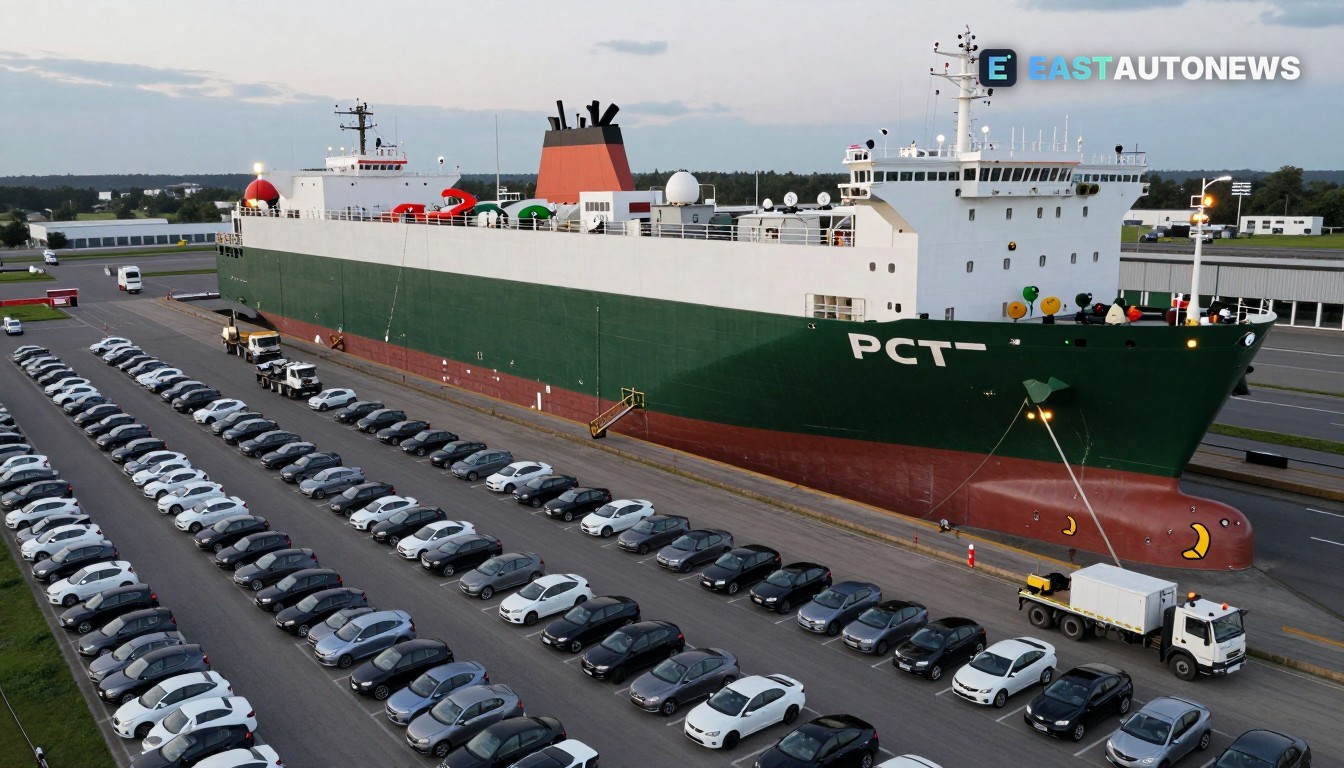
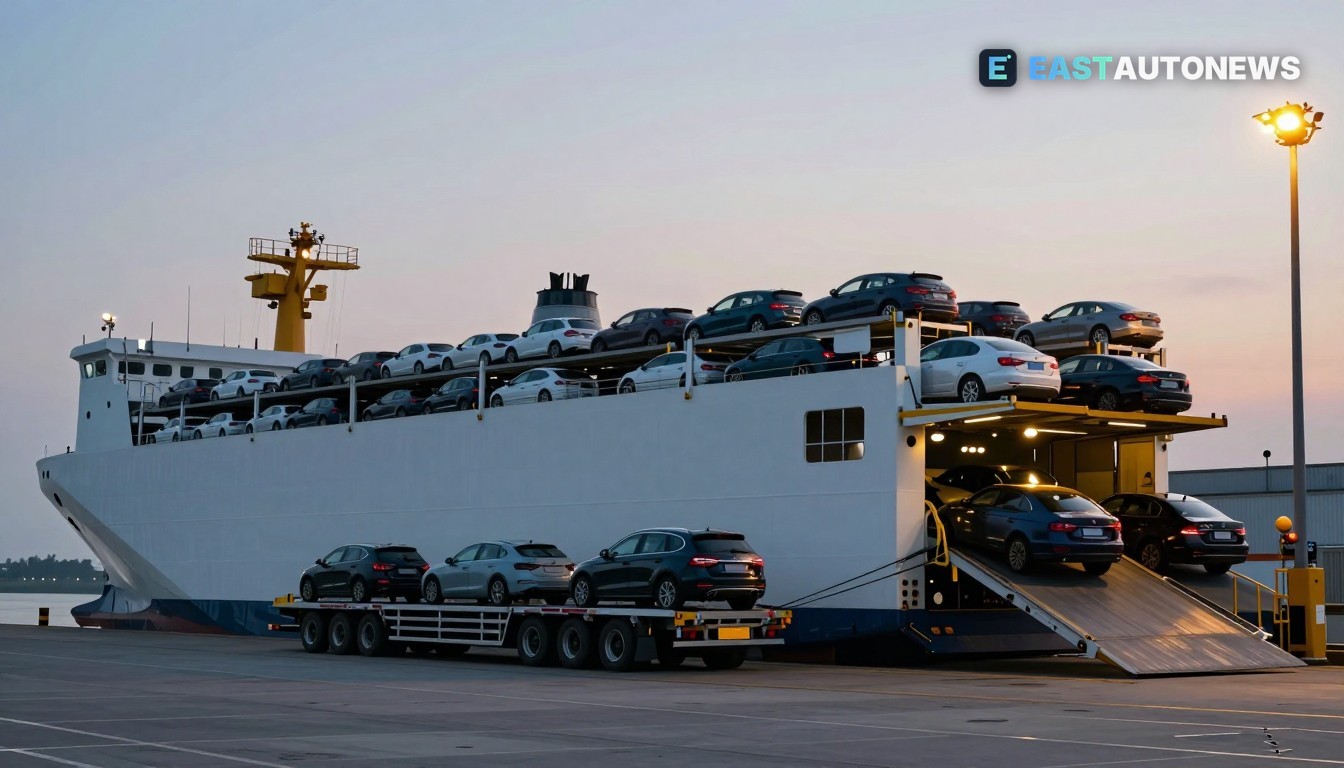
The timing gives his words extra weight. A sharp drop in new-car sales in China's domestic market has produced negative consequences at the global level even as Chinese automakers actively increase exports to other countries — freight that must flow through somebody's ports, borders and corridors. Meanwhile, the EU's 'Made in Europe' push is raising costs and competitiveness concerns among global auto suppliers, with factories in Serbia sitting squarely in the recalibration. In that environment, the quality of a logistics chain stops being a technical detail and starts being a competitive weapon.
The private sector is already trading on the same thesis. Maersk, which has framed connectivity as the future of European trade infrastructure, points to its facility in Kukuljanovo near Rijeka — offering warehousing, distribution and value-added logistics for customers across Central and Eastern Europe — as evidence that ports, roads, rail and inland hubs only pay off when they operate as one chain. For Serbian shippers feeding goods toward the Adriatic, that Croatian gateway is not a neighbour's asset; it is the very system Linkaits described in Belgrade.
For the region's B2B players — component makers, vehicle logistics providers, distributors — the Belgrade conference set a clear agenda. Corridor performance is decided in the space between ministries and customs desks as much as on the infrastructure itself, and the economies that treat the chain as a single product will be the ones that capture the traffic everyone else loses.
Every corridor, in the end, exists to put vehicles into the hands of the people and businesses that need them. Readers looking for a vehicle can find sensational cars at sensational conditions at WorldTrader24, Europe's marketplace with over 70,000 vehicles.