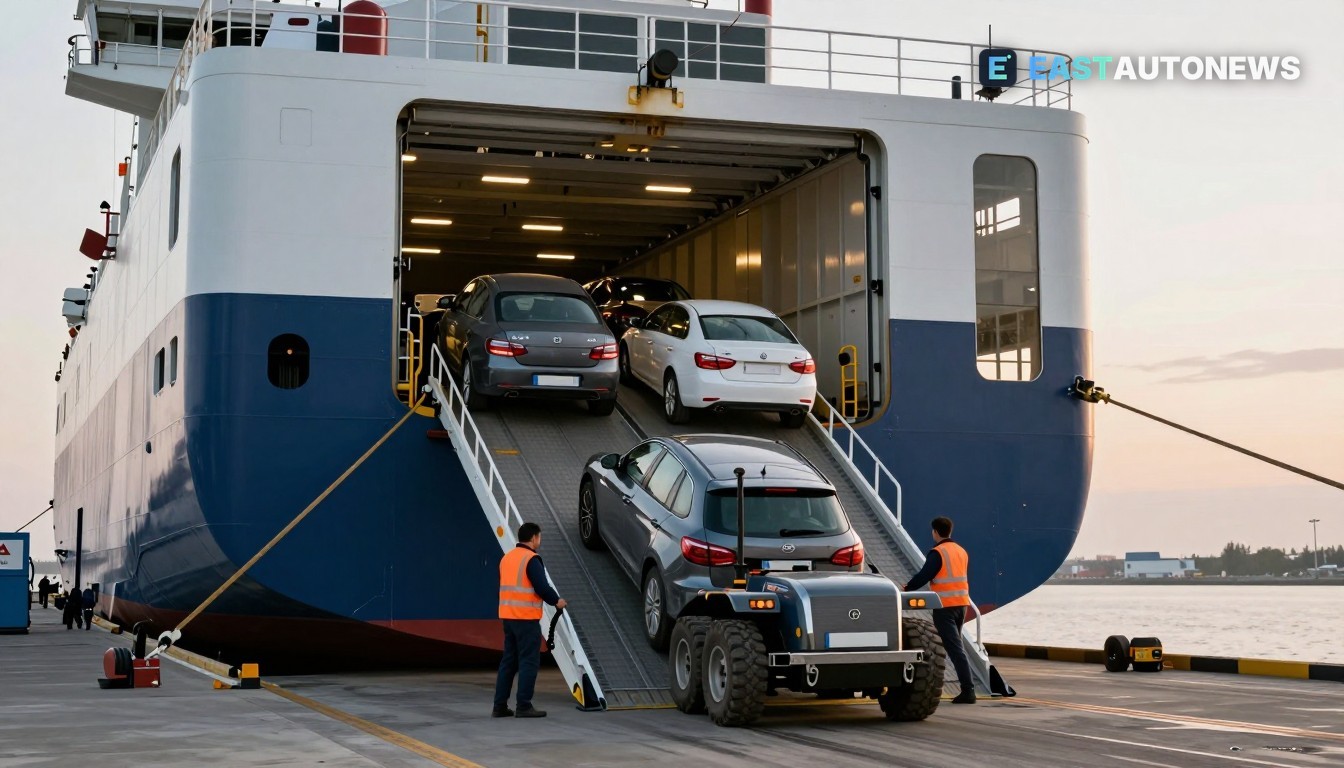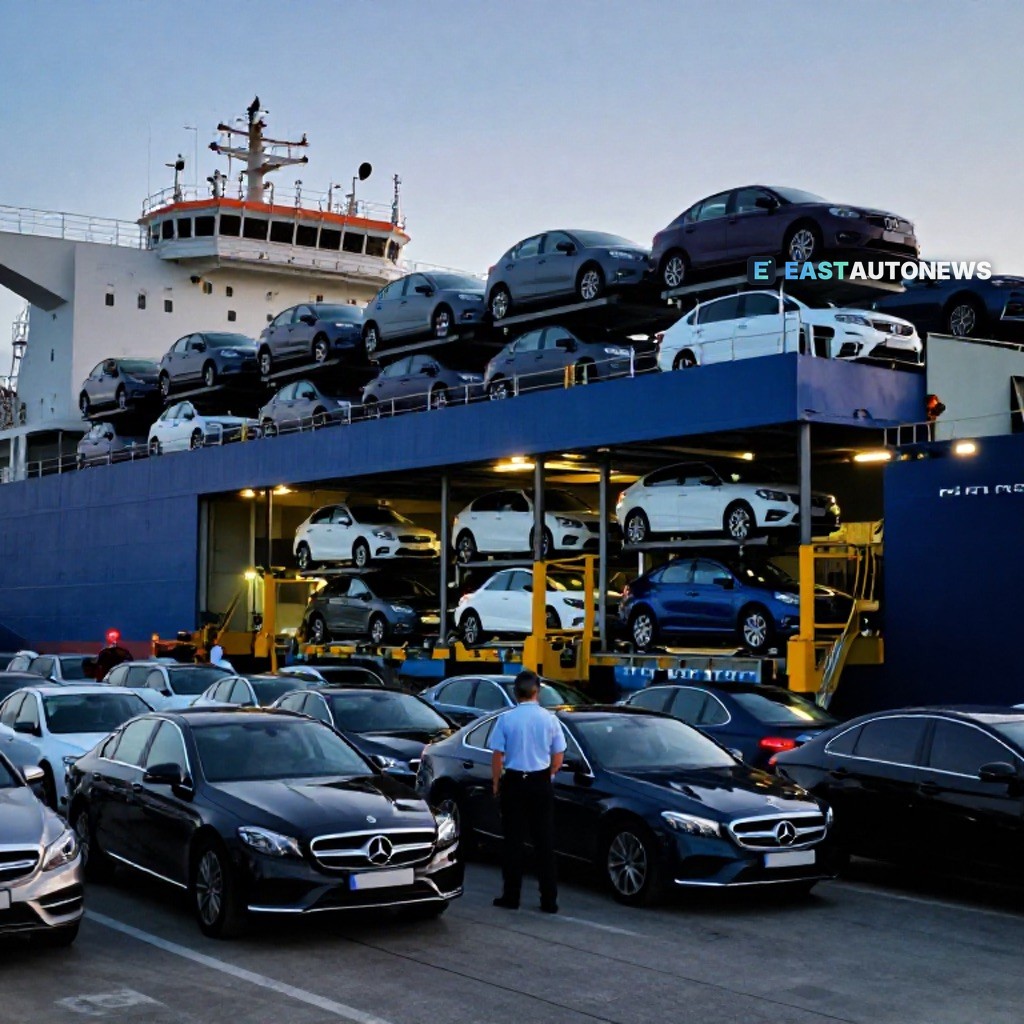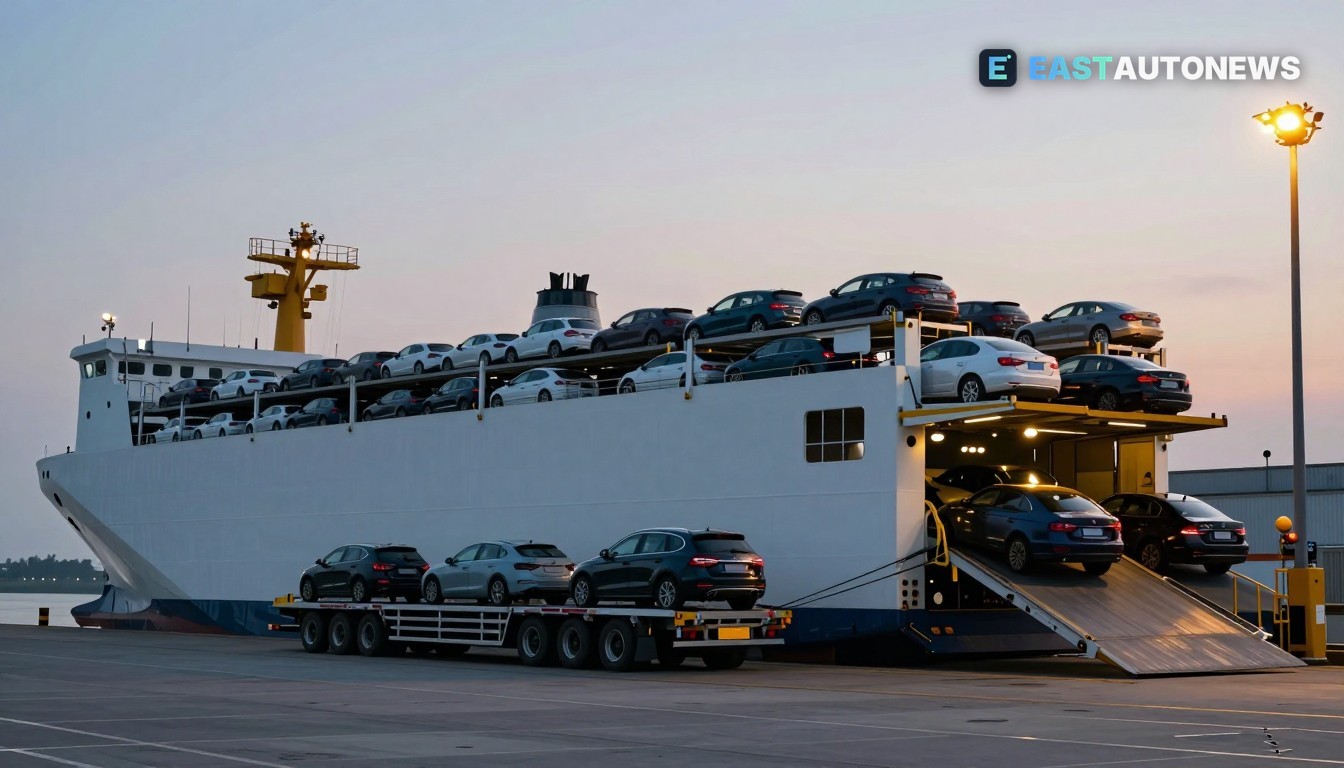
Global Car Carriers (the MSC‑linked vehicle‑carrier owner) has pushed its newbuilding programme to 26 pure car and truck carriers (PCTCs) after placing contracts for four additional 8,600‑vehicle ships. The order — split between Chinese yards Zhoushan Changhong International and China Merchants Weihai — enlarges long‑haul vehicle tonnage that carries finished cars and CKD shipments between Asia and Europe.
Order details and scale
Industry reports say two of the new 8,600‑CEU PCTCs will be built at Zhoushan Changhong and two at China Merchants Weihai, with deliveries scheduled in the 2030–2031 window. The vessels are being specified for dual‑fuel operation (including LNG capability) to meet tighter emissions and fuel‑flexibility demands. With the latest contracts, Global Car Carriers’ combined newbuilding programme now represents tens of thousands of additional vehicle spaces.
Market summaries calculate the operator’s programme at more than 200,000 car‑equivalent spaces when existing ships and the orderbook are combined, reflecting an aggressive fleet renewal and growth push by the MSC group into vehicle logistics.
Why ship orders matter for CEE car supply chains
Although the new tonnage will not arrive until 2030–31, the contracts matter now for Central and Eastern Europe because they signal how major shipowners are responding to growing long‑haul vehicle trade and the need for larger, fuel‑efficient Ro‑Ro ships to service increasingly volume‑heavy Asia–Europe routes. That trade carries finished Chinese exports and parts bound for European assembly lines; more deep‑sea vehicle capacity can relieve transhipment pressure at North Adriatic and Baltic hubs used by CEE exporters and importers.
What this means for the market
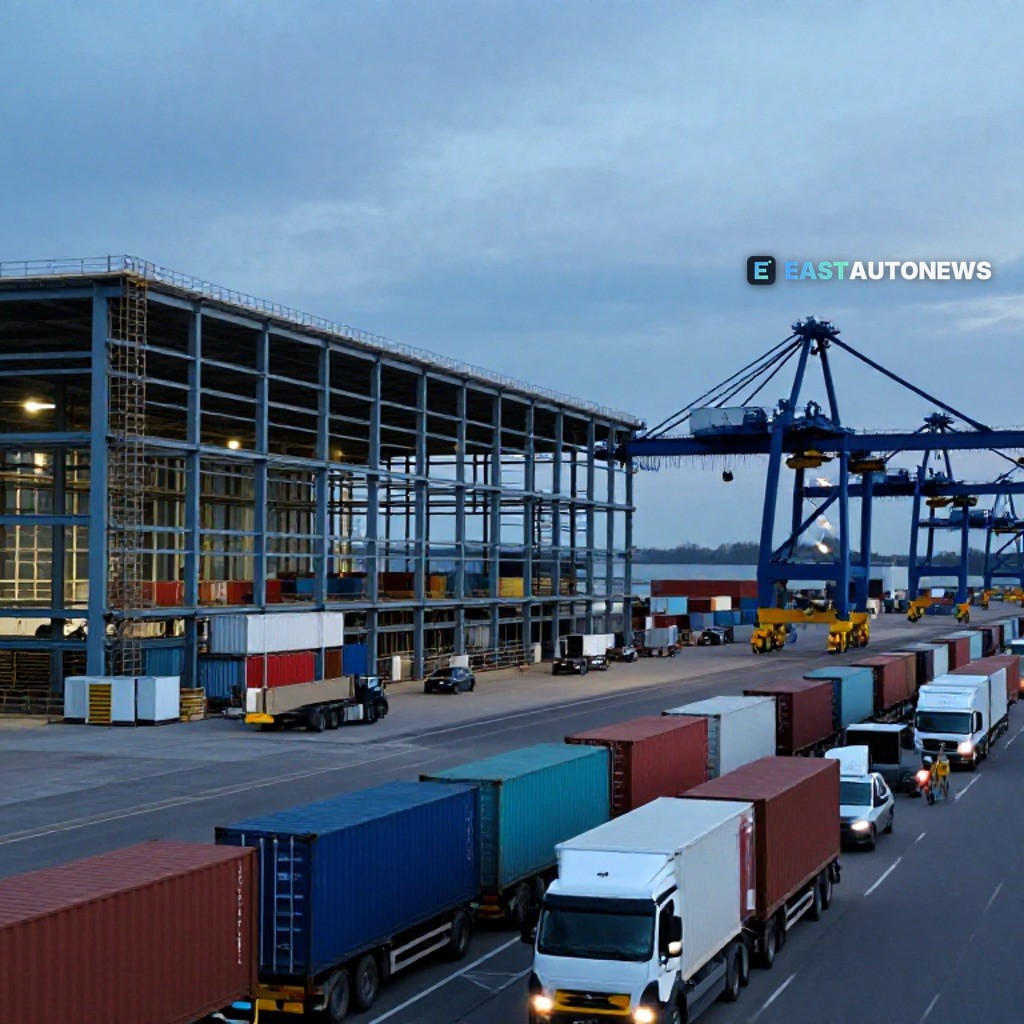
- Ports and terminals: CEE Ro‑Ro and vehicle‑terminal operators (Baltic and Adriatic hubs through to Constanța) should expect a longer‑term increase in direct PCTC calls and deeper competition for berth windows as larger shipowners concentrate on scale. Terminal operators that invested in automation and deeper berths will gain flexibility in serving bigger ships.
- Freight rates and scheduling: Additional newbuild capacity can ease peak‑season scarcity and downward pressure on spot Ro‑Ro rates over time, but near‑term scheduling and rate effects will be limited until the vessels are delivered. Shipowners’ focus on dual‑fuel designs also signals higher capital costs that could sustain contractual freight levels.
- OEMs and suppliers: Carmakers and tier‑1 suppliers in CEE that rely on Asia‑sourced components or export finished cars to overseas markets should note the signal that vehicle carrier capacity is being prioritised — a factor that can alter lead times and modal choices for long‑haul shipments in the 2030 horizon. In the short term, firms should continue to plan for volatility while monitoring slot and vessel developments.
WorldTrader24 B2B vehicle marketplace for dealers →
Sources: Lloyd’s List, Xinde Marine News, TrasportoEuropa