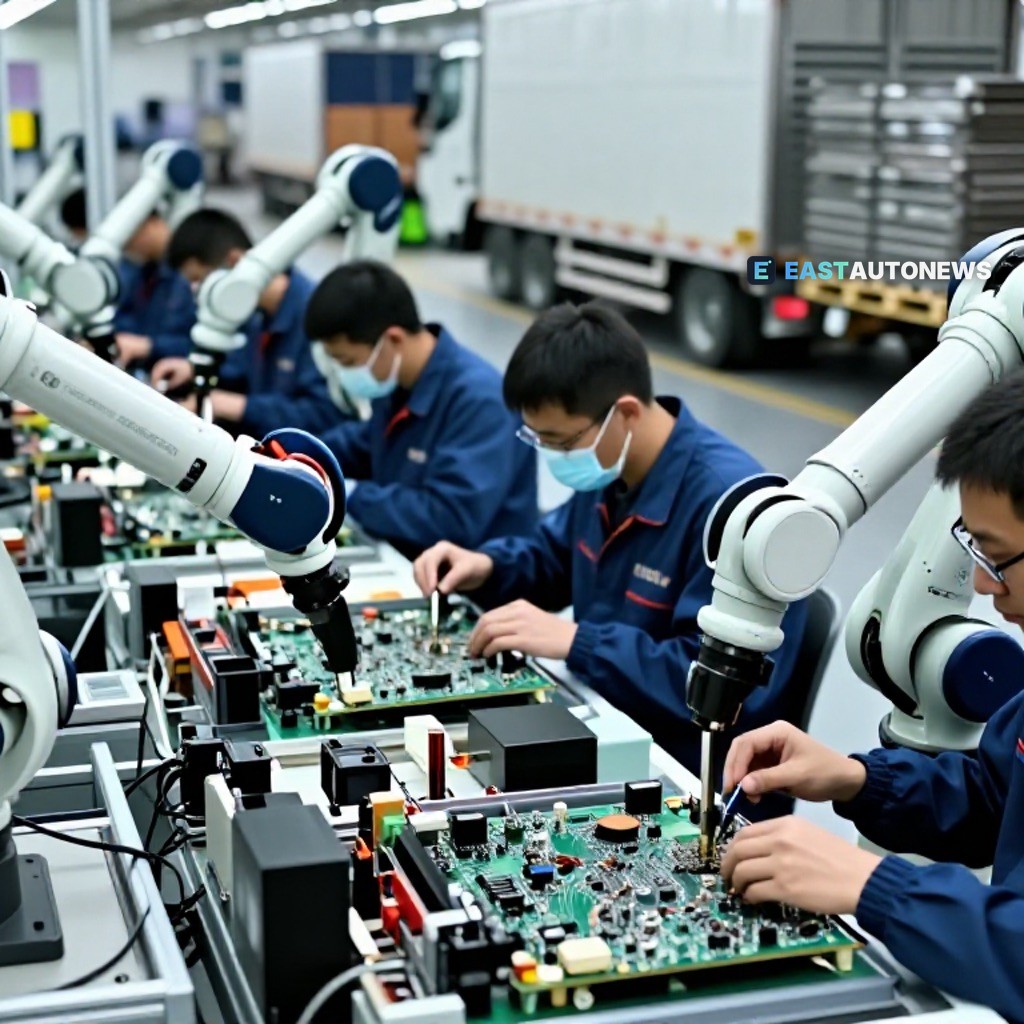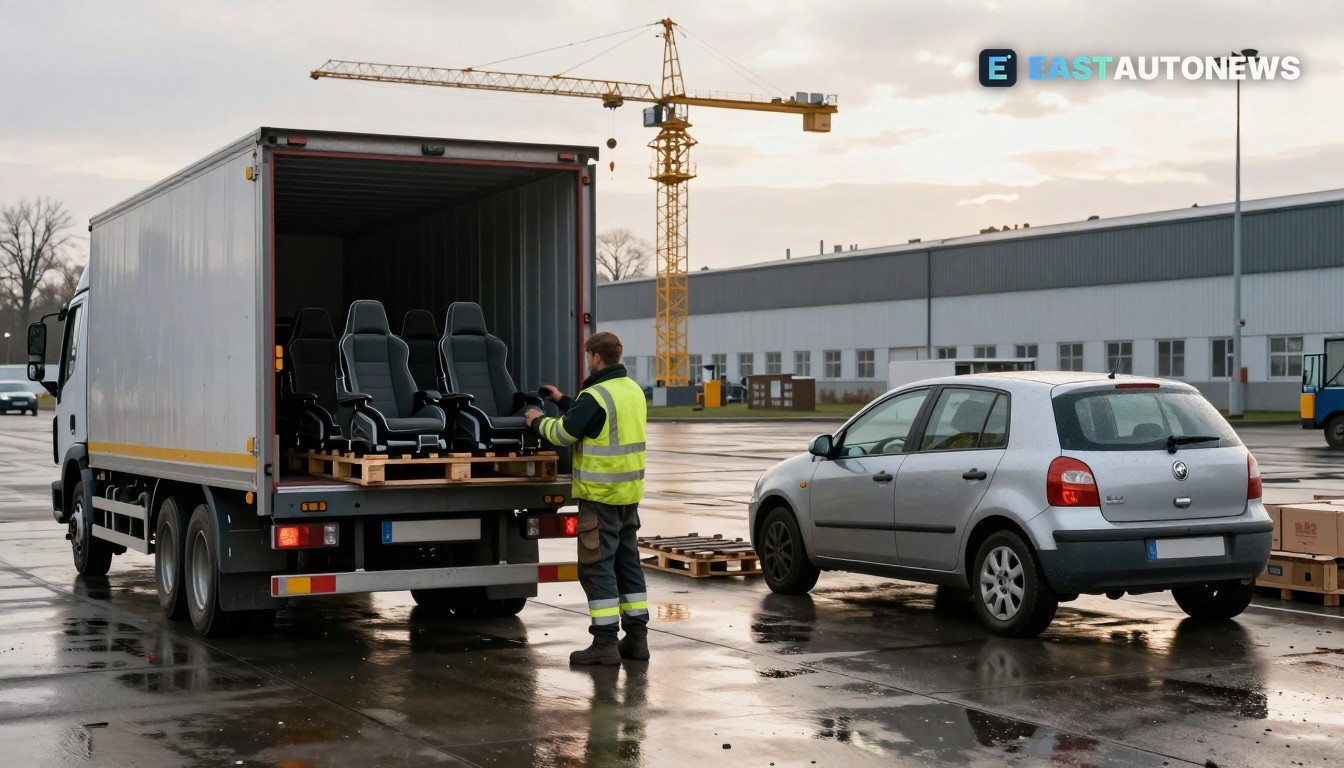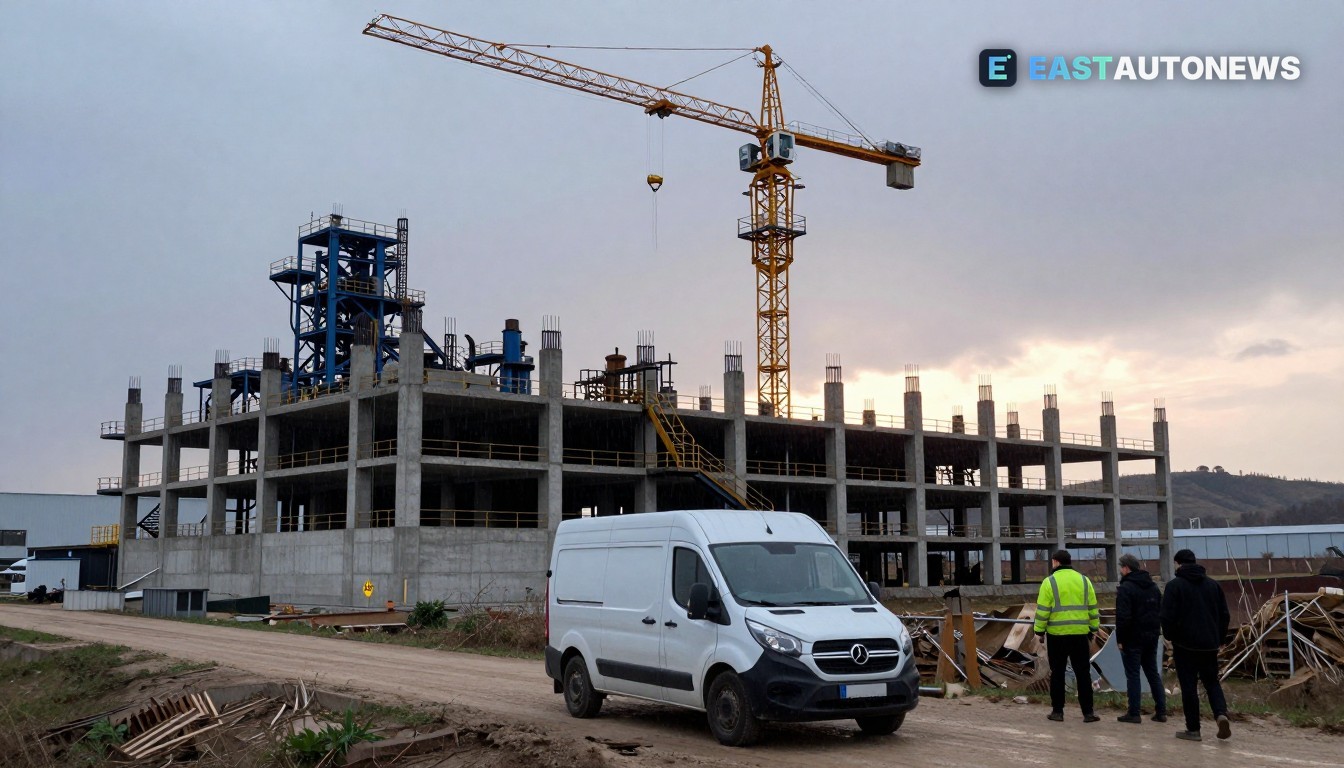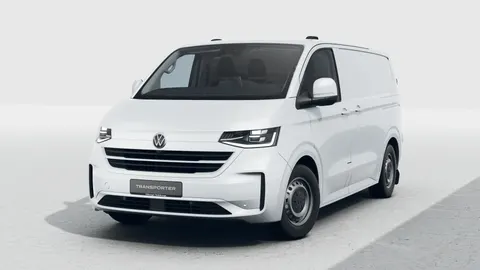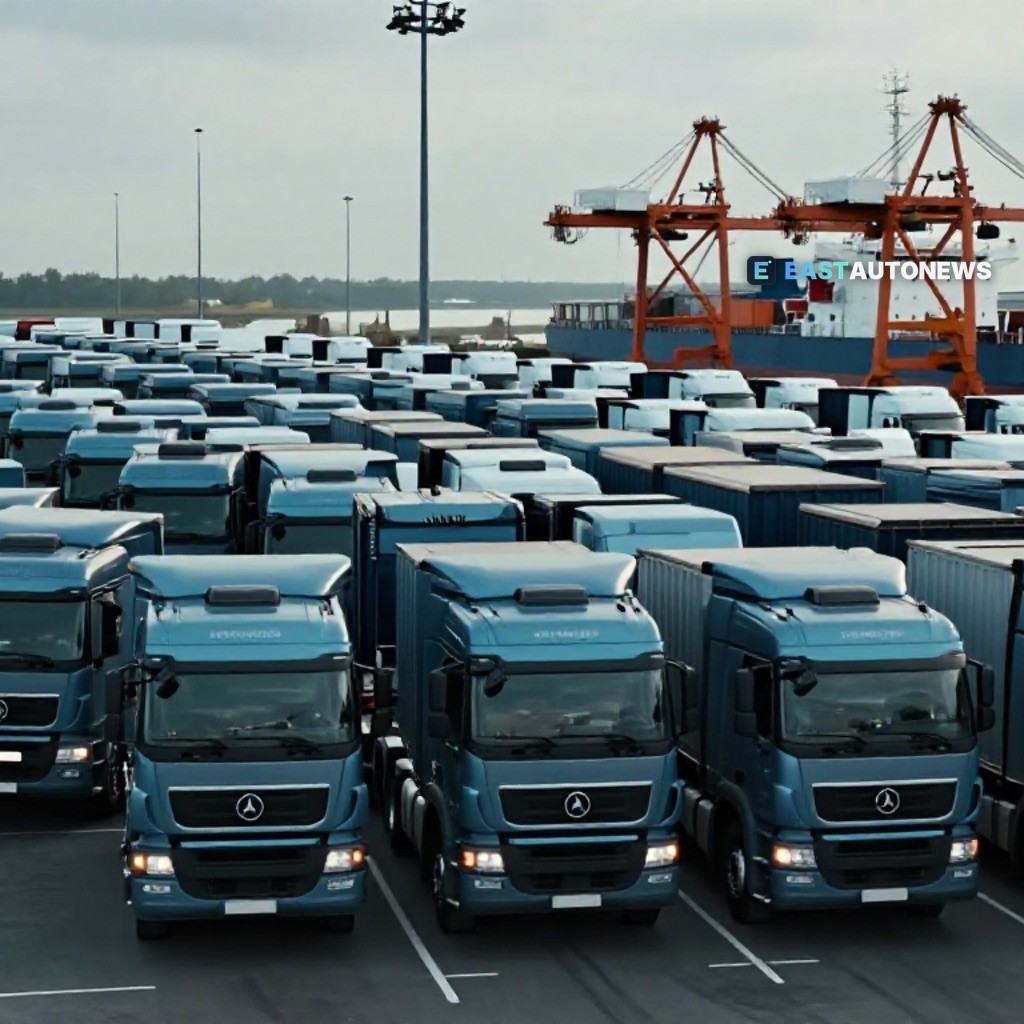
A new analysis published by electrive on 5 November poses an uncomfortable question for the commercial vehicle industry: are Europe's truck manufacturers losing their home market? The piece points to a fundamental difference in production philosophy. While European manufacturers have traditionally focused on individually configured commercial vehicles, some new suppliers are placing far greater emphasis on standardised models — a playbook that could turn the continent's bespoke engineering tradition into a weakness if buyers increasingly value availability and simplicity over individual specification.
The supplier map is shifting in Western Europe as well. A new LSE Consulting report, highlighted by the SMMT, warns that the EU and the UK must deepen their partnership or lose ground in the global automotive race. The underlying data explains the urgency: the two markets are each other's top automotive trading partners, and the UK is the EU's largest parts export market, ahead of both the US and China. The report argues that deeper cooperation and coordination can turn this relationship into a strategic asset — a message with direct relevance for component makers across Eastern Europe.
Eastern Europe itself, meanwhile, keeps proving that the region offers more than competitive production costs. In a candid interview with Autostrada Magazine, Mate Rimac — founder of the Rimac Group, whose portfolio includes Bugatti — recalled the precarious early days of building a car company in Croatia. “They sent a little bit of money, but they never sent real money,” he said of his early backers, remembering that he had just hired people “that had to give up their jobs to work for a 20-year-old who has some Middle Eastern investors to make a car in Croatia.”
And the Croatian success stories no longer stop at hypercars. Mobility company Verne is helping bring autonomous taxis to European streets, with the rollout reaching from Zagreb to Manchester — further evidence that the region increasingly exports technology and mobility concepts rather than manufacturing capacity alone. For an industry questioning whether Europe's traditional strengths still hold, such companies suggest the answer depends on which part of the continent you are looking at.
For dealers and fleet buyers, these shifts in production strategy and market structure ultimately come down to one practical task: finding the right vehicle at the right conditions. Readers looking for a vehicle can find sensational cars at sensational conditions at WorldTrader24, Europe's marketplace with over 70,000 vehicles — including the commercial vehicles that operators will be watching closely as the truck market evolves.
WorldTrader24 B2B vehicle marketplace for dealers and wholesalers →