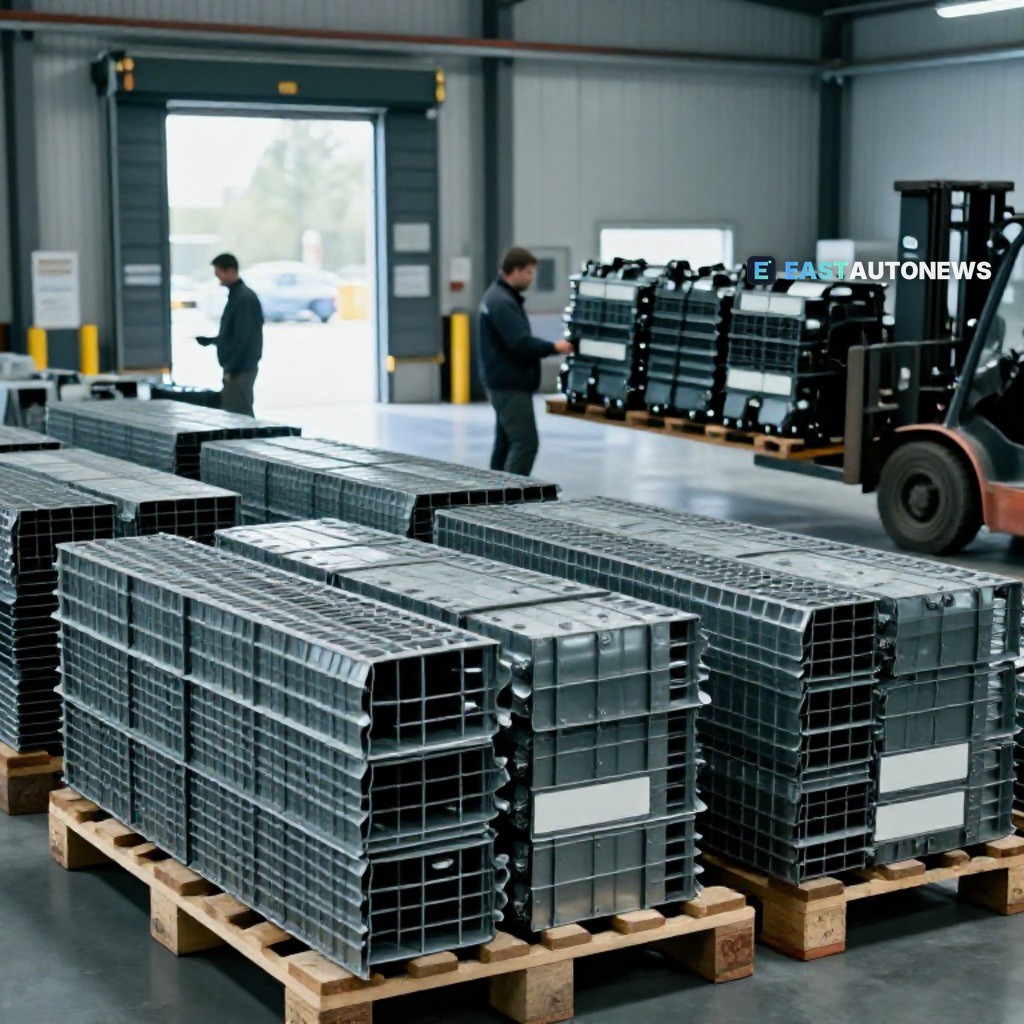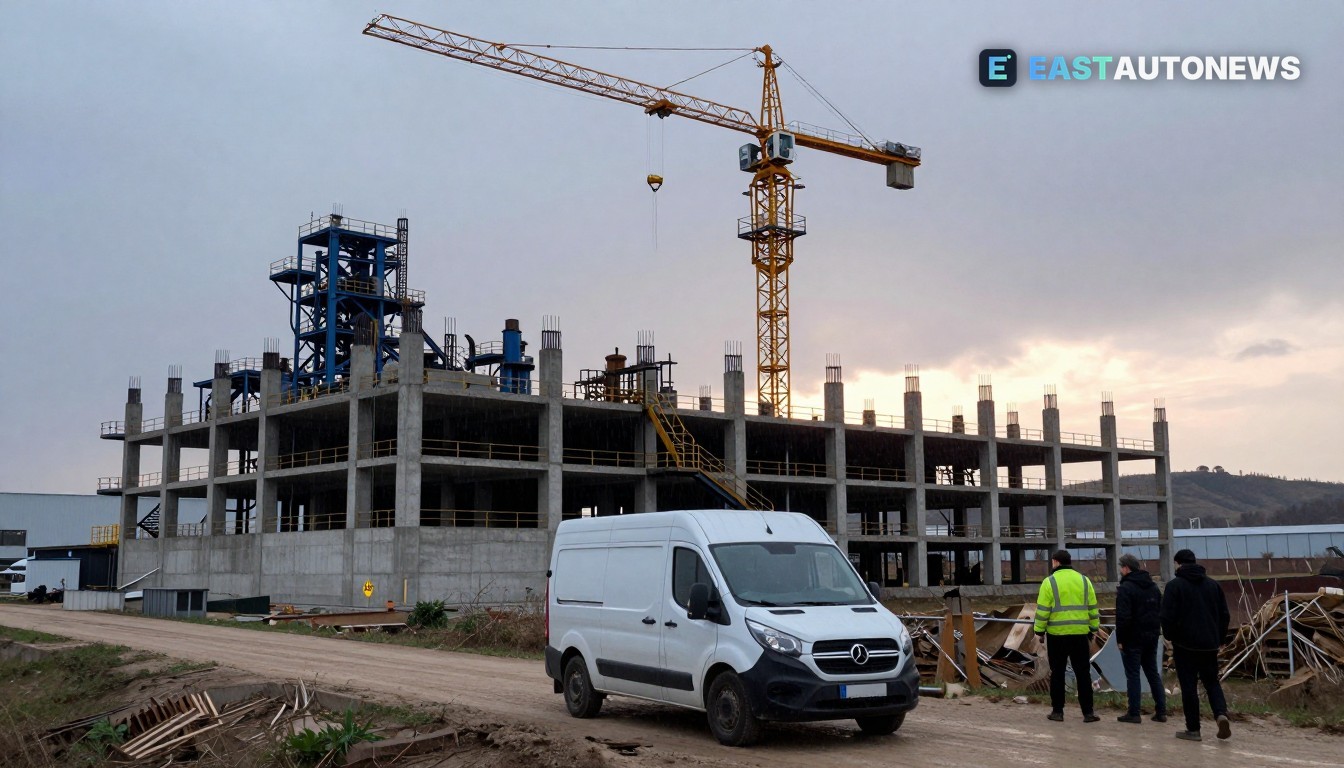
Chinese battery maker Gotion High‑Tech has cleared a major step toward deeper industrial cooperation with Volkswagen after shareholders approved plans on October 20 to form three joint ventures with Volkswagen Group’s battery unit, PowerCo. The approval was disclosed in Gotion’s third‑quarter report on October 29 and reported publicly on November 4. The package covers production sites in Valencia (Spain), Šurany (Slovak Republic) and Kenitra (Morocco), with a combined investment of about €3.22 billion.
Deal structure and project numbers
Under the agreed plan, the Valencia (Sagunto) project is the largest single element: PowerCo’s existing gigafactory there would be transferred into a JV designed to reach roughly 29.1 GWh of annual LFP cell capacity and a total investment of about €2.26 billion. In Šurany, Slovakia, the partners plan an 8.4 GWh LFP cell plant with an estimated cost of approximately €480 million; a further €480 million is earmarked for a 100,000‑tonne‑per‑year LFP cathode materials plant in Kenitra. Gotion is set to hold a 51% stake in the Slovak and Moroccan ventures, with PowerCo taking 49% in those sites; PowerCo will hold 51% at Valencia.
Volkswagen’s press release underlines that the agreement expands a partnership that began in 2020 and aims to industrialise LFP (lithium‑iron‑phosphate) cell production and local cathode supply in Europe. Thomas Schmall, member of Volkswagen’s board and chairman of PowerCo’s supervisory board, described the move as “a major breakthrough” that strengthens Europe’s battery industry. Gotion chairman Li Zhen said the deal anchors a shared strategy to localise production for the European market.
What this means for the market
The shareholder approval advances a fast‑moving realignment of European battery supply chains toward LFP chemistry, which automakers see as a lower‑cost, durable option for volume electric vehicles and stationary storage. The Šurany project — now cleared by Gotion shareholders — would add a material, dedicated LFP cell line in Slovakia at an early scale (8.4 GWh) and signals stronger integration between a global OEM battery arm (PowerCo) and localised cell manufacturing. That should reduce lead times for suppliers and provide Slovak‑based tier‑1 and tier‑2 firms with a clearer customer pipeline for modules, packs and materials.
However, both companies note the transactions remain subject to regulatory approvals and customary closing conditions; shareholder approval does not equal closing. The September agreement and the October shareholder vote remove a major internal hurdle, but final contracts, regulator sign‑off and detailed supply agreements still need to be completed before projects move to full commercial production.
For Central and Eastern Europe suppliers, the most immediate impact will be procurement and services work related to the Šurany site: civil works, equipment, testing, module assembly and logistics. The project strengthens Slovakia’s profile in the European battery map and could attract further upstream and downstream suppliers — provided timelines, public approvals and offtake contracts are finalised.
WorldTrader24 VW electric models and offers →
Sources: Volkswagen Group, ESS News