The European Bank for Reconstruction and Development (EBRD) has agreed a €15 million loan to Selzer Automotive Bosnia to finance new machinery, tooling and production equipment at the company's plant in Bosnia and Herzegovina. The funding is aimed principally at manufacturing components for electric and low‑emission hybrid vehicles, including rotor shafts for electric motors and parts for hybrid transmissions.
Project details and aims
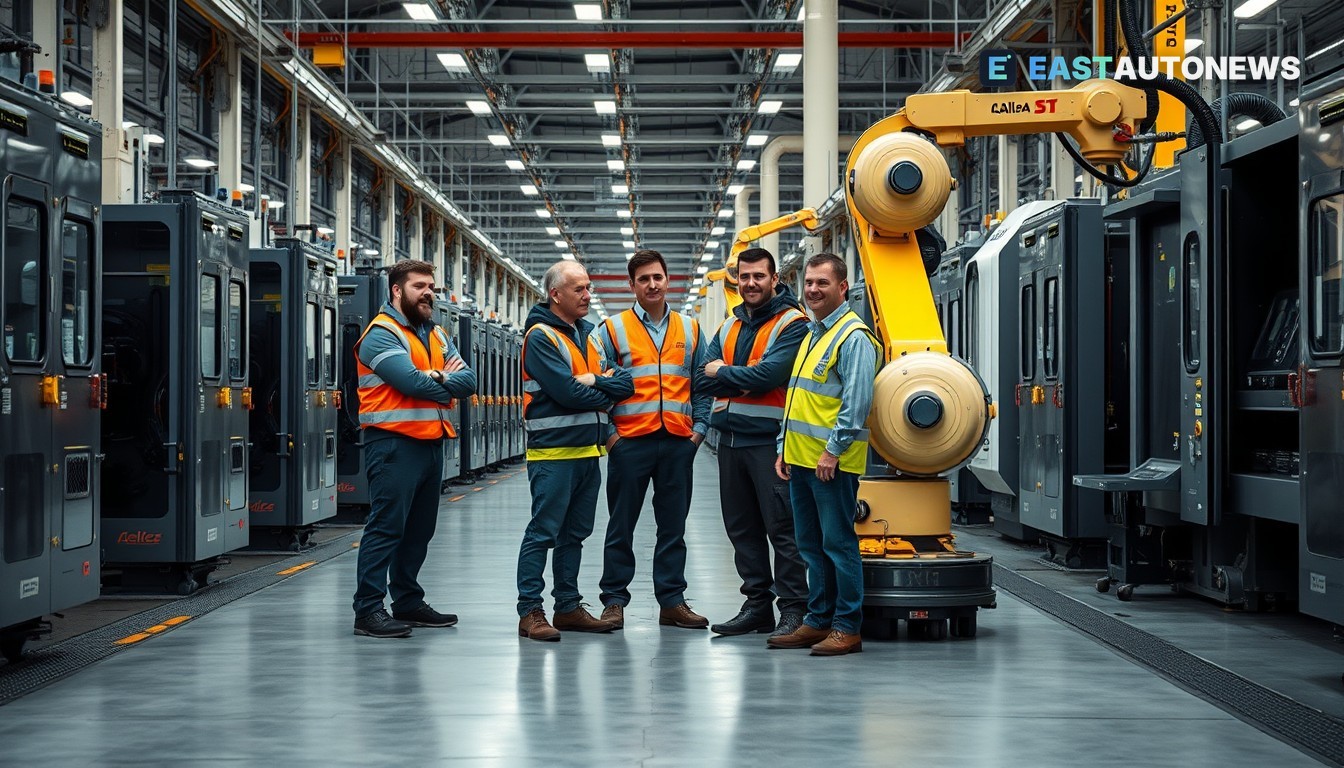
The financing, announced by the EBRD on October 30, 2026, is structured as a senior secured loan made up of a committed tranche of up to €5 million and an uncommitted tranche of up to €10 million. Most of the initial tranche will be used to install advanced metal‑forming equipment, CNC lines and automation to produce precision assemblies for transmissions, brakes and electric‑drive components.
The project also includes a workforce development element: the EBRD says the investment envisages training and employment opportunities for at least 100 additional workers, with a stated focus on young people and women. The bank intends to support structured training for CNC and automated process operators and to develop cooperation with local vocational schools.
Selzer Automotive Bosnia is part of the Selzer Group, a German automotive industrial group owned by investment firm Mutares and active as a supplier to OEMs including Volkswagen, Daimler, BMW and Stellantis. Management framed the loan as a vote of confidence in the firm's Bosnia operations and a foundation for further investment. Michael Stötzel, CEO of Selzer Group, said: “The EBRD’s financing of €15 million is a strong vote of confidence in the Selzer Group and the future of our operations in Bosnia and Herzegovina.”
What this means for the market
For Central and Eastern Europe (CEE), the Selzer deal is a concrete example of supplier upgrading aimed at the electrified powertrain. By funding tooling for rotor shafts and hybrid‑transmission parts, the loan helps convert a regional metal‑parts producer into a direct supplier for electrified drivetrains — components that OEMs and Tier‑1s are increasingly sourcing inside Europe to shorten supply chains and meet local content and emissions strategies.
The EBRD emphasised the broader economic and social benefits. Stela Melnic, EBRD Head of Bosnia and Herzegovina, said the project “supports the continued development of Bosnia and Herzegovina’s manufacturing sector and its closer integration into European value chains,” and highlighted the skills and jobs aspects. The bank also flagged the transaction’s contribution to a lower‑carbon transition by supporting components for electric and low‑emission vehicles.
For OEMs and Tier‑1 buyers active in CEE, the investment strengthens a local machining and assembly node able to supply more electrified components — a timely development as European automakers increase BEV and hybrid content in model plans. For policymakers, the deal shows how blended finance and technical cooperation can accelerate supplier conversion to EV‑relevant production without relying solely on greenfield foreign direct investment.
Electric vehicles listings on WorldTrader24 →
Sources: European Bank for Reconstruction and Development, SeeNews