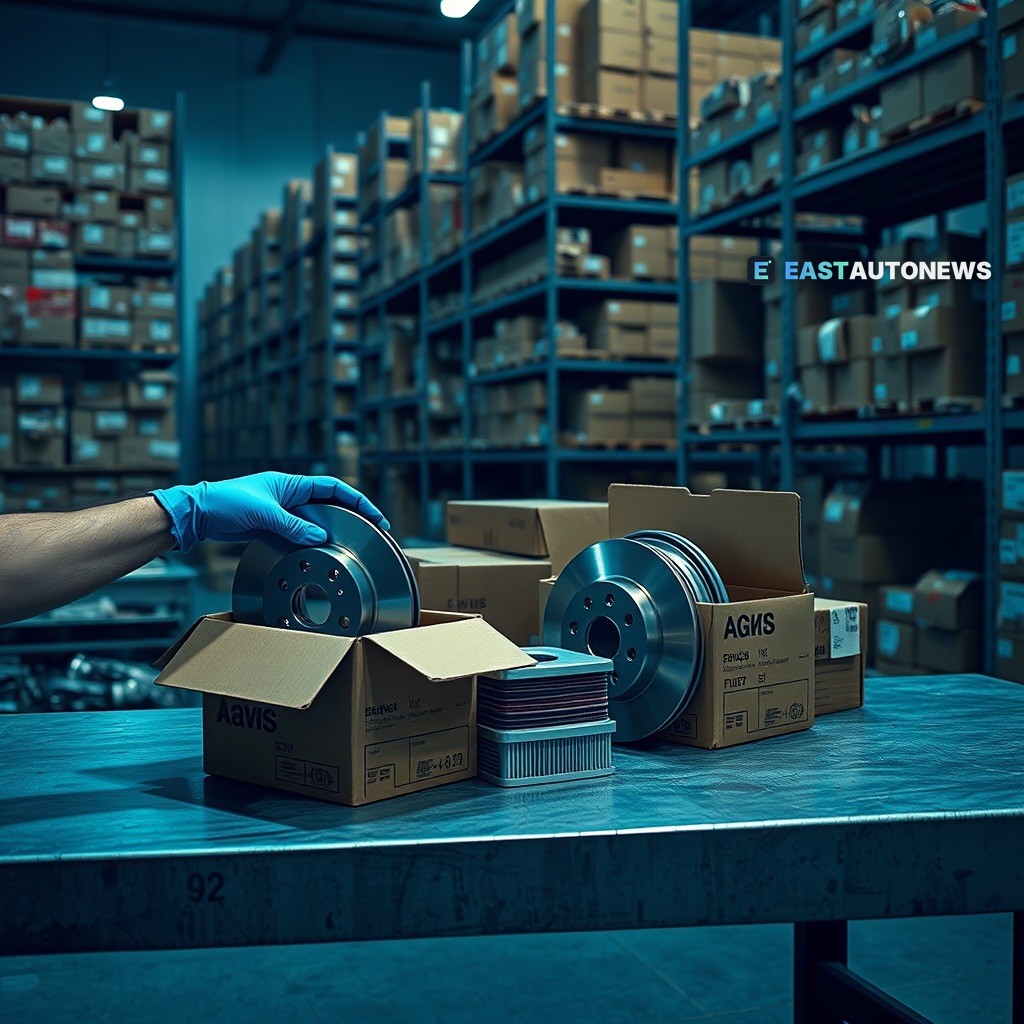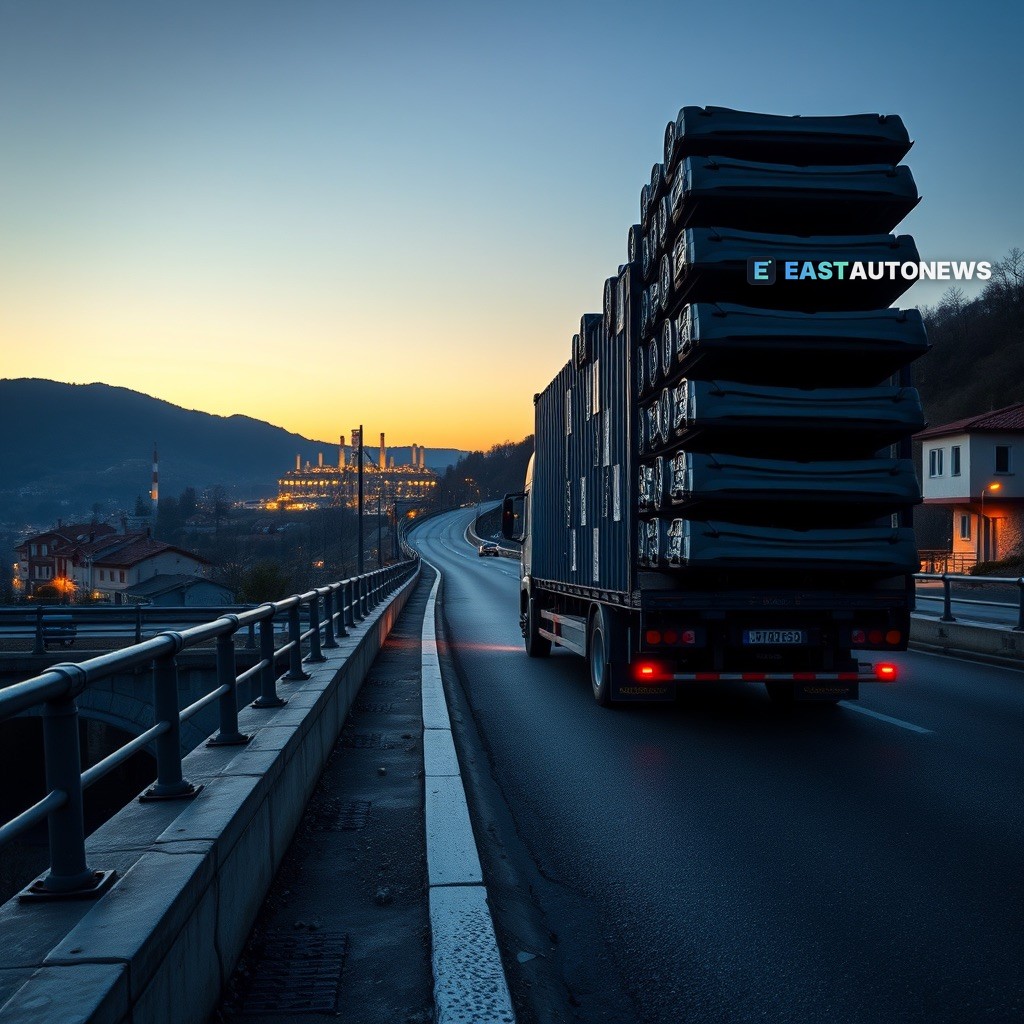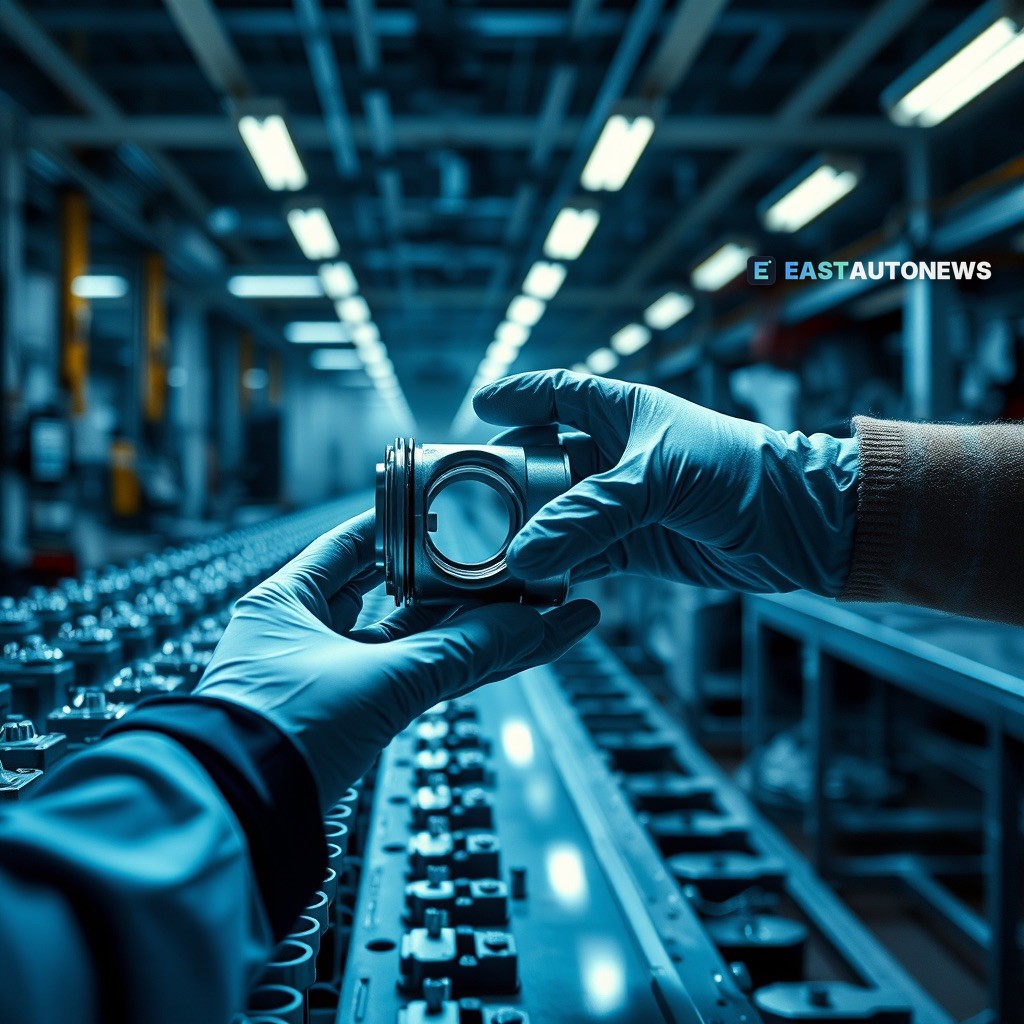
In Slovenia's component plants, the question of the season has changed. It is no longer 'where is this car assembled?' but 'where is everything inside it made?' The EU's 'Made in Europe' plan, championed by Germany and France, is unnerving global auto suppliers — and it is quietly redrawing the map of advantage across Eastern Europe. For a small, export-driven supplier economy like Slovenia, the stakes could hardly be more direct.
The mechanics of the plan are blunt. Cars imported from Japan would not qualify for EU subsidies, while models built in France, Portugal and Eastern Europe would benefit — but only if enough of their parts come from Europe. That single conditional clause turns every component invoice into a strategic document. Assembly location is no longer enough; content is the new currency.
This is precisely where Slovenia enters the frame. The country's automotive industry has long earned its keep supplying Europe's carmakers, with components flowing into assembly plants across the continent. If manufacturers building in Eastern Europe must now prove that enough of their parts come from Europe to unlock subsidies, then Slovenian-made components — produced inside the EU — count toward the target. A part sourced in Slovenia suddenly carries a value beyond its price tag.