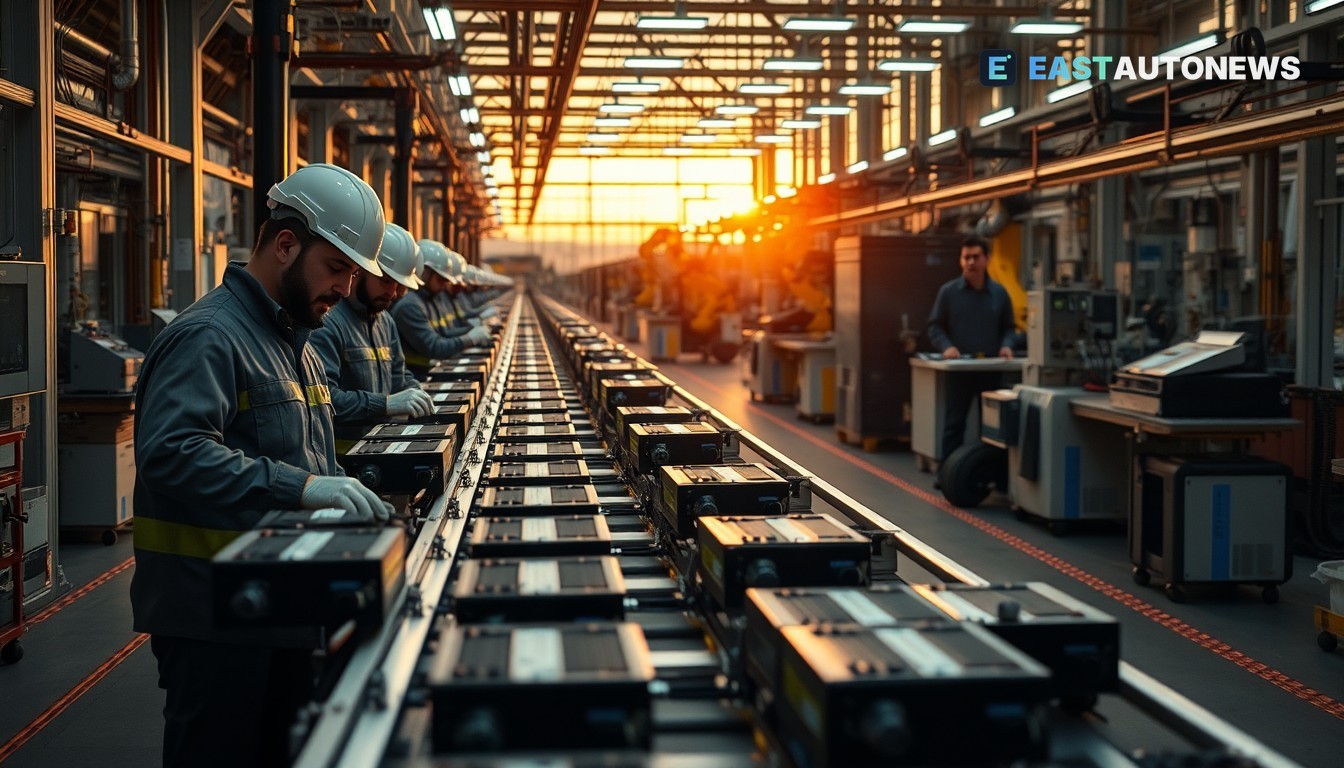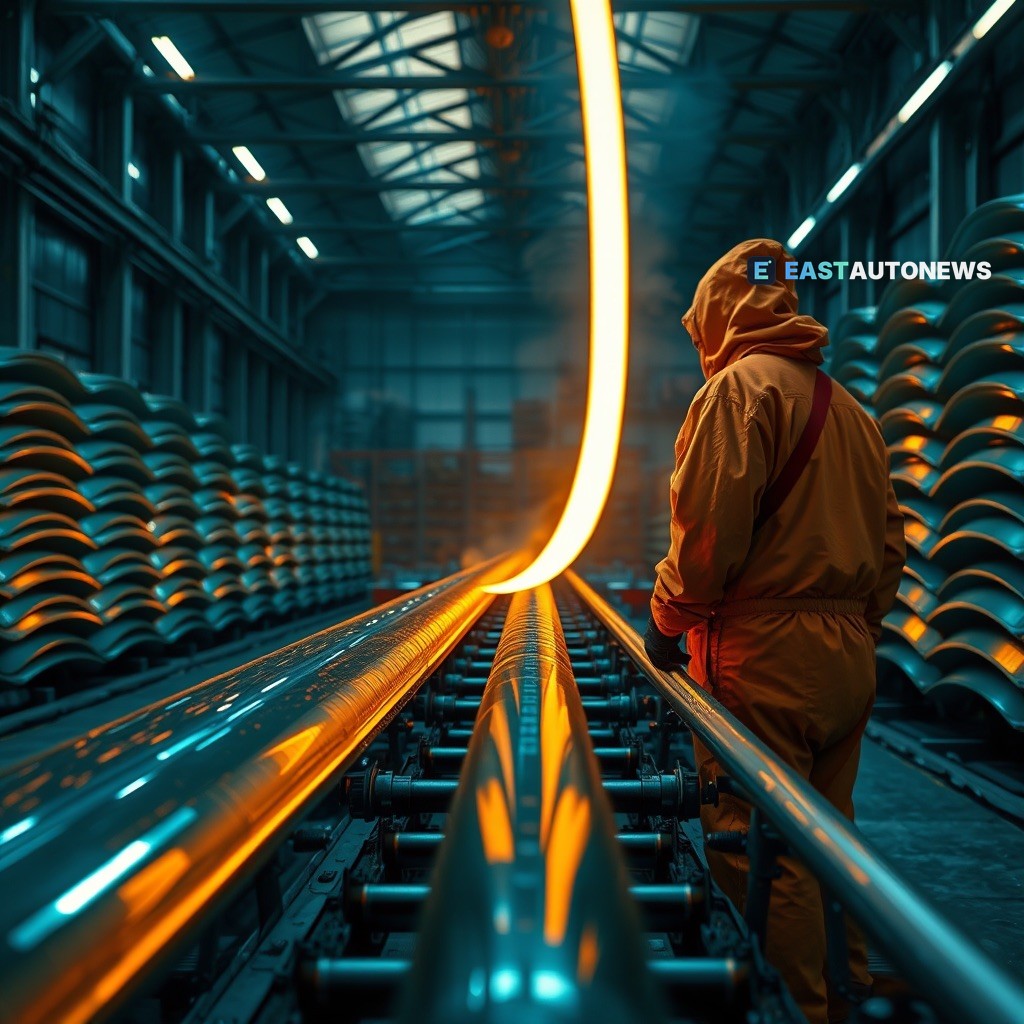
Every year, some 32 million pieces of automotive glass roll out of Bílina-Chudeřice, where Japan's AGC operates one of Europe's largest auto glass factories. For years the plant has been a quiet workhorse of the Czech supply chain — the kind of facility that rarely makes headlines. That may be about to change. As Brussels pushes its 'Made in Europe' agenda, the geography of production is turning into a competitive weapon, and few sites in Central Europe are as well placed as this one.
The EU's local-content push has unnerved global auto suppliers. Under the emerging logic of the plan, cars imported from Japan would need their parts to come from Europe — a requirement that turns every pane of glass, wiring harness and seat frame into a question of origin. For suppliers rooted outside the bloc, the fear is stark: access to Europe's car market will hinge on where components are made, not just how well or how cheaply.
For AGC's Czech operation, the equation reads very differently. A plant producing 32 million pieces of glass a year inside the EU is, by definition, a supplier of European content. If importers need European parts to keep their cars flowing into the bloc, industrial capacity on this scale stops being a cost centre and starts looking like leverage — a ready-made answer to whatever local-content thresholds Brussels ultimately sets.