Morgan Stanley has become the latest heavyweight voice to back Central and Eastern Europe, describing the region as a standout and tilting one of its funds away from China and toward Poland and Hungary, alongside South Africa and Mexico. According to the bank's team — including Paul Psaila, who helps run the strategy — the fund is keeping its AI exposure focused on the “picks and shovels” of the technology boom: the suppliers that equip it, rather than the headline brands themselves.
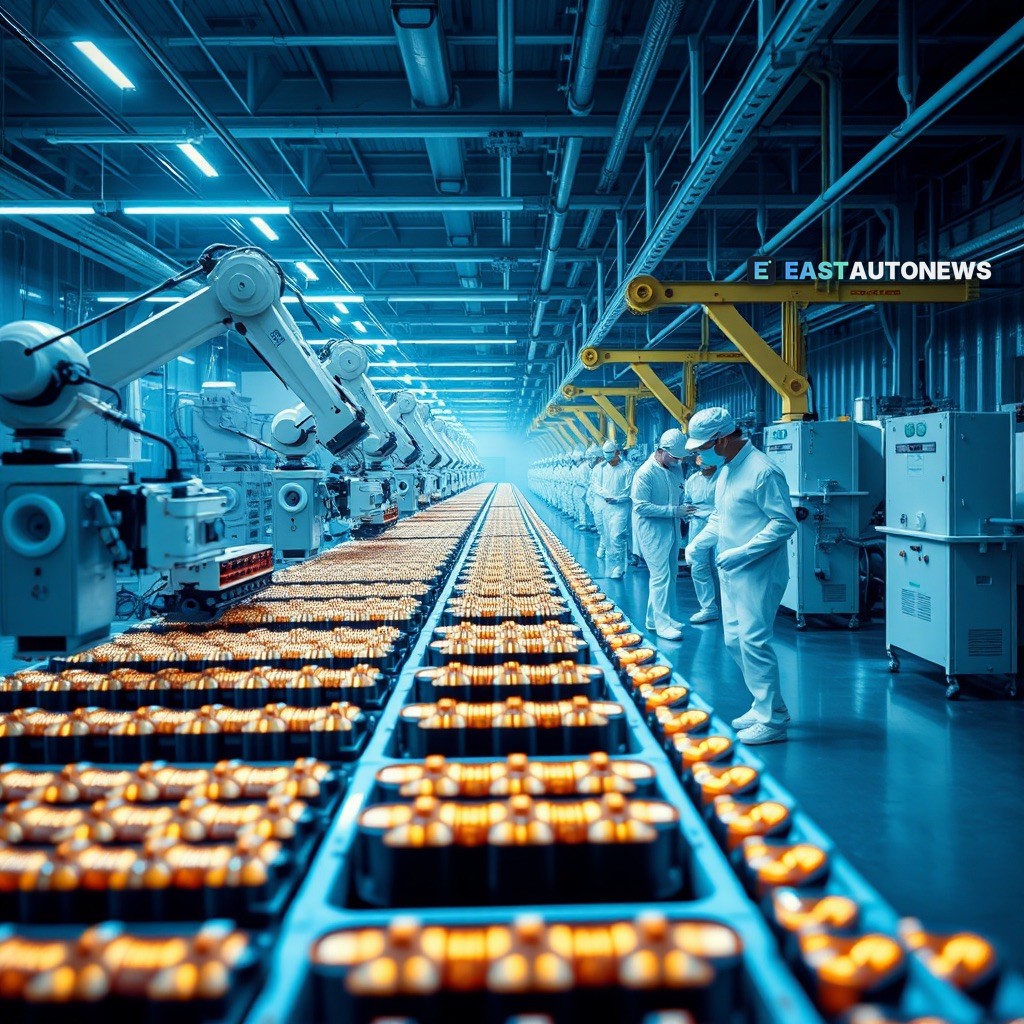
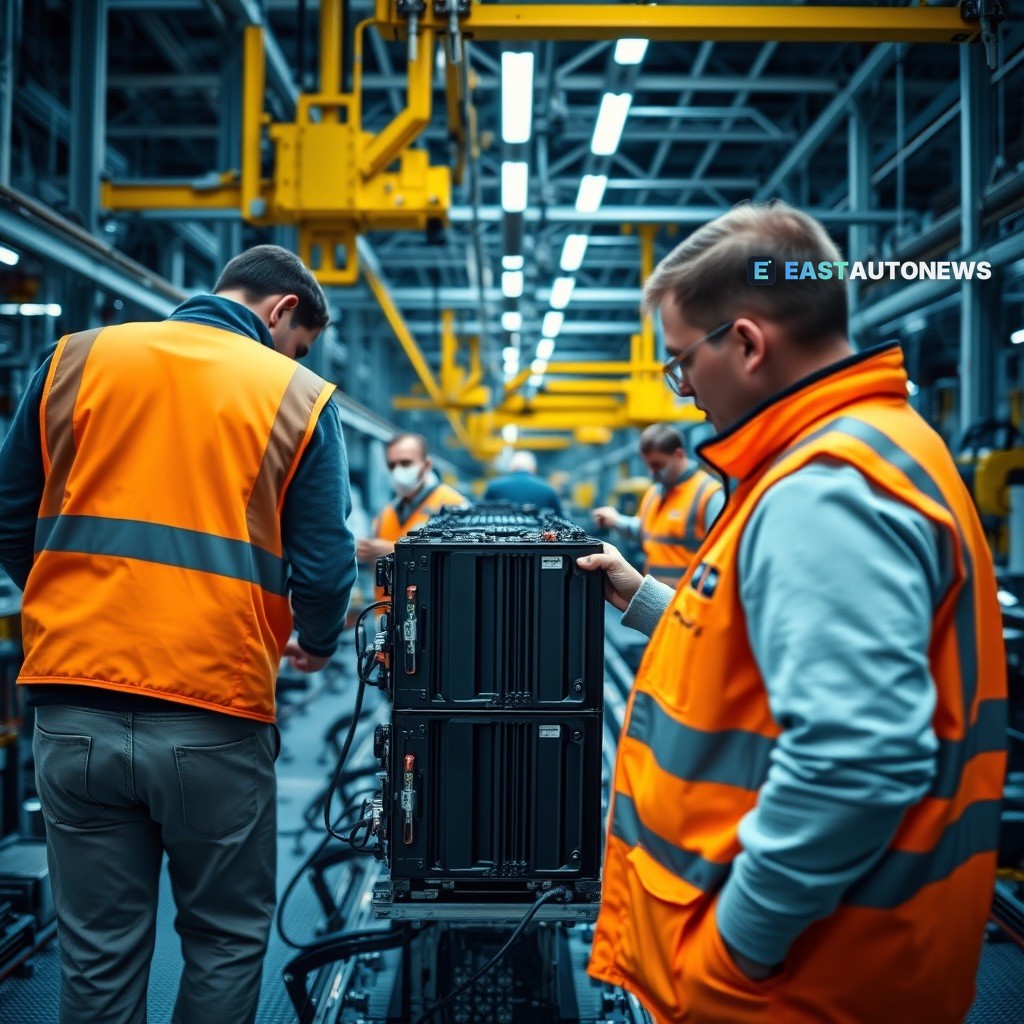
The regional case rests on industrial muscle that has been years in the making. Under Viktor Orban, Hungary turned itself into a European linchpin in the battery supply chain for electric vehicles, courting companies from China and Korea that set up plants across the country, Bloomberg reports. The scale is considerable: World Tribune reporting notes that Hungary hosts a $5 billion BYD EV assembly plant as well as an $8 billion Chinese battery cell production line — precisely the kind of capacity that makes the region's suppliers the “shovels” investors want to own.
Yet the same reporting carries a warning. Bloomberg describes a battery industry reeling from Hungary's power shift, with Orban now the country's erstwhile leader — meaning the political formula that built the battery hub has changed in Budapest. For suppliers and carmakers with billions already committed to Hungarian sites, the question is whether investment conditions hold under the new leadership; Morgan Stanley's lean into Hungary suggests at least some investors judge the supplier case strong enough to ride out the uncertainty.
Nor is the story Hungary's alone. Poland is the other regional tilt in the fund, and the Czech Republic's dense supplier base — long anchored around Škoda Auto, whose regional supplier-network restructuring has been extensively documented — gives the wider region a depth few parts of Europe can match. Timelines remain long, too: the latest Automotive Supply Chain Risk Digest notes that US dealers are not expected to receive significant Volvo EX60 inventory until the second half of 2027, with a second model offering multiple powertrains to follow by the end of the decade — a reminder that today's supplier bets shape vehicle line-ups for years to come.
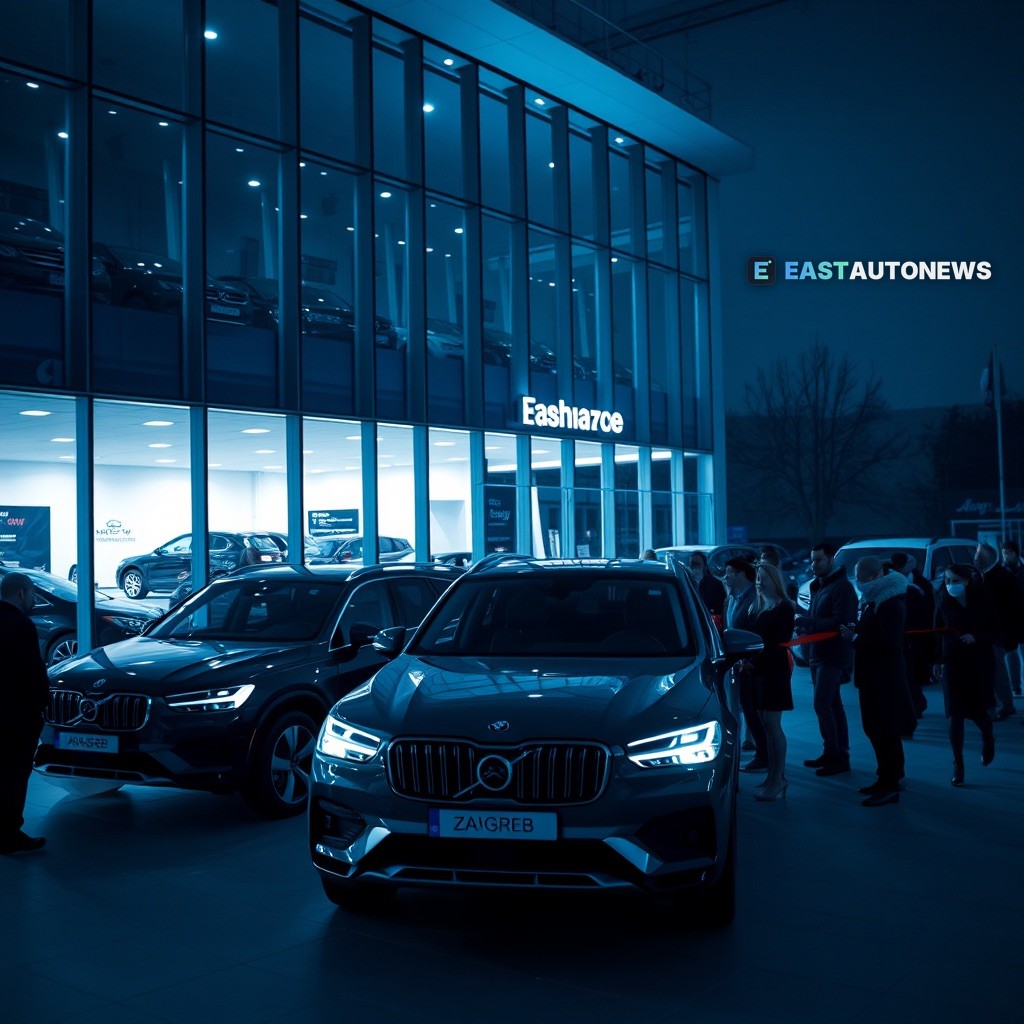
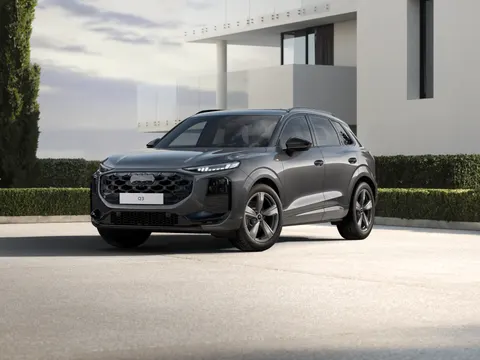
For dealers and buyers, these industrial shifts are far from abstract. Where batteries and vehicles are built shapes model availability, delivery times and pricing across European markets — and anyone shopping for an EV today may well be looking at a car whose cells rolled out of a Hungarian or Polish production line. Tracking what is actually in stock, and at what price, is the practical way to act on that knowledge.
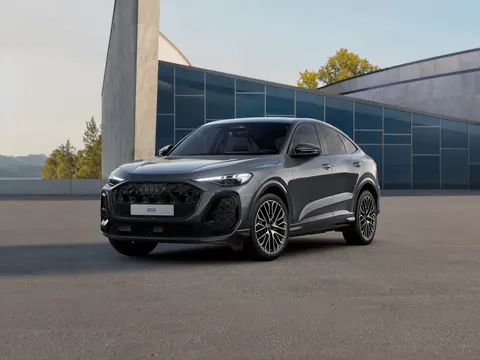
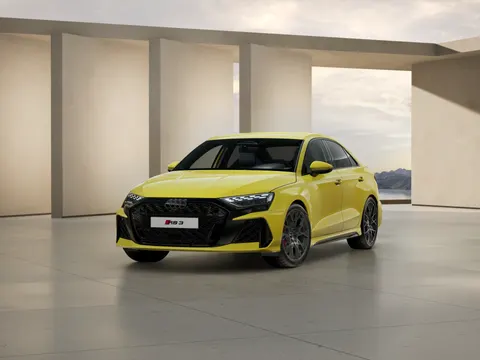
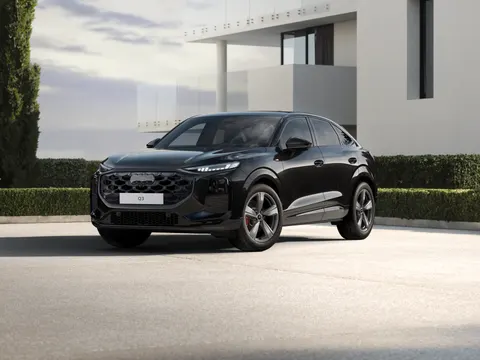
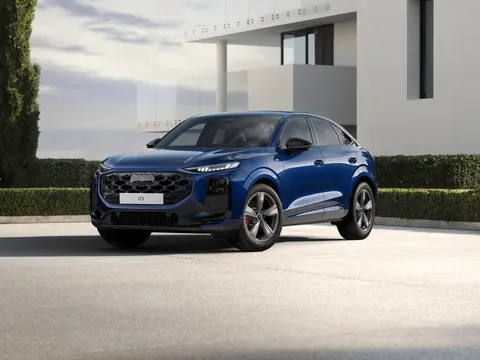
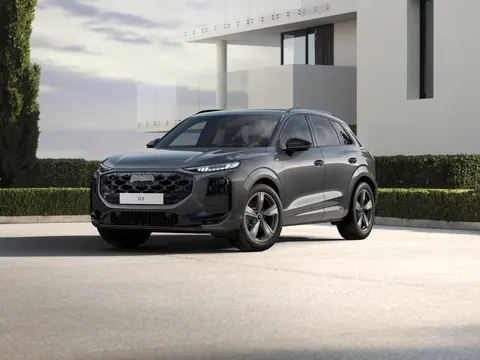
That is where wide selection pays off. Readers looking for a vehicle can find sensational cars at sensational conditions at WorldTrader24, Europe's marketplace with over 70,000 vehicles — including electrified models built on the region's fast-growing battery backbone. A quick search there is a smart first step for any buyer weighing where, and on what terms, their next car should come from.