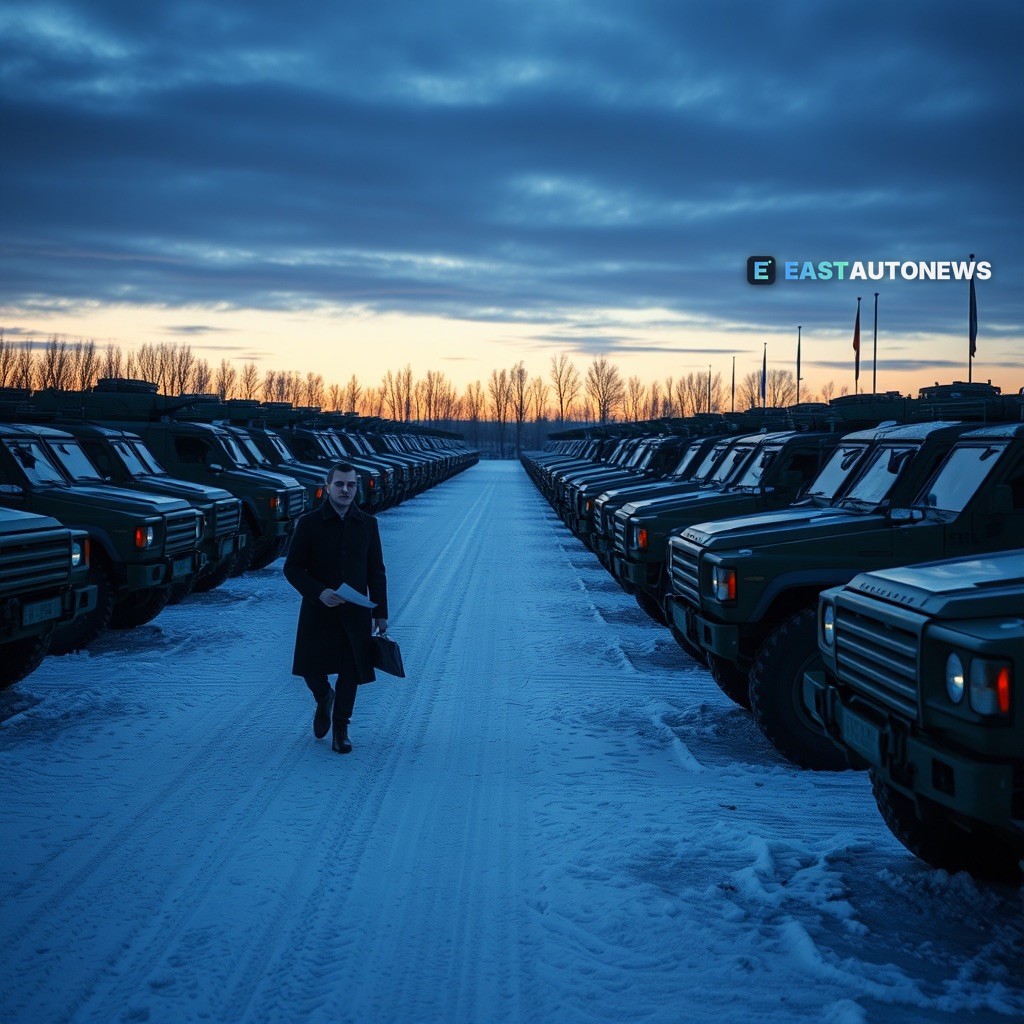
The last of 230 Turkish-built armored vehicles has rolled into Estonian service, closing the delivery chapter of a €200 million procurement. But rather than quieting the debate, the completion has sharpened it: parliament's anti-corruption special committee has begun a probe into how the landmark deal came together. Estonia's newest hardware, in other words, enters duty under a parliamentary spotlight.
The order, placed with Turkish suppliers Otokar and Nurol Makina in 2023, covers 6x6 APCs and tactical 4x4s — 230 vehicles in total, every one of them now delivered. It is a heavyweight contract by any Baltic measure, and its completeness is precisely what makes the timing delicate: whatever the committee concludes, the fleet is already in Estonian hands.
At the heart of the inquiry sits the question every supplier dreads: how did the Turkish option win? Reporting around the deal has suggested the selection of Turkish vehicles was driven at least in part by considerations that kept the contract in the headlines — questions the special committee now intends to put on the record. For Otokar and Nurol Makina, the probe throws an uncomfortable spotlight on their Estonian contract.
For the wider supplier community, the signal from Tallinn is blunt: in Estonia, winning the tender is only half the battle. Even a fully delivered procurement remains open to parliamentary review, and that raises the compliance bar for every foreign vendor courting the Baltic defense and fleet market. Procurement teams across the region will be watching how the committee weighs transparency against operational reality — and how the Turkish suppliers weather the scrutiny.