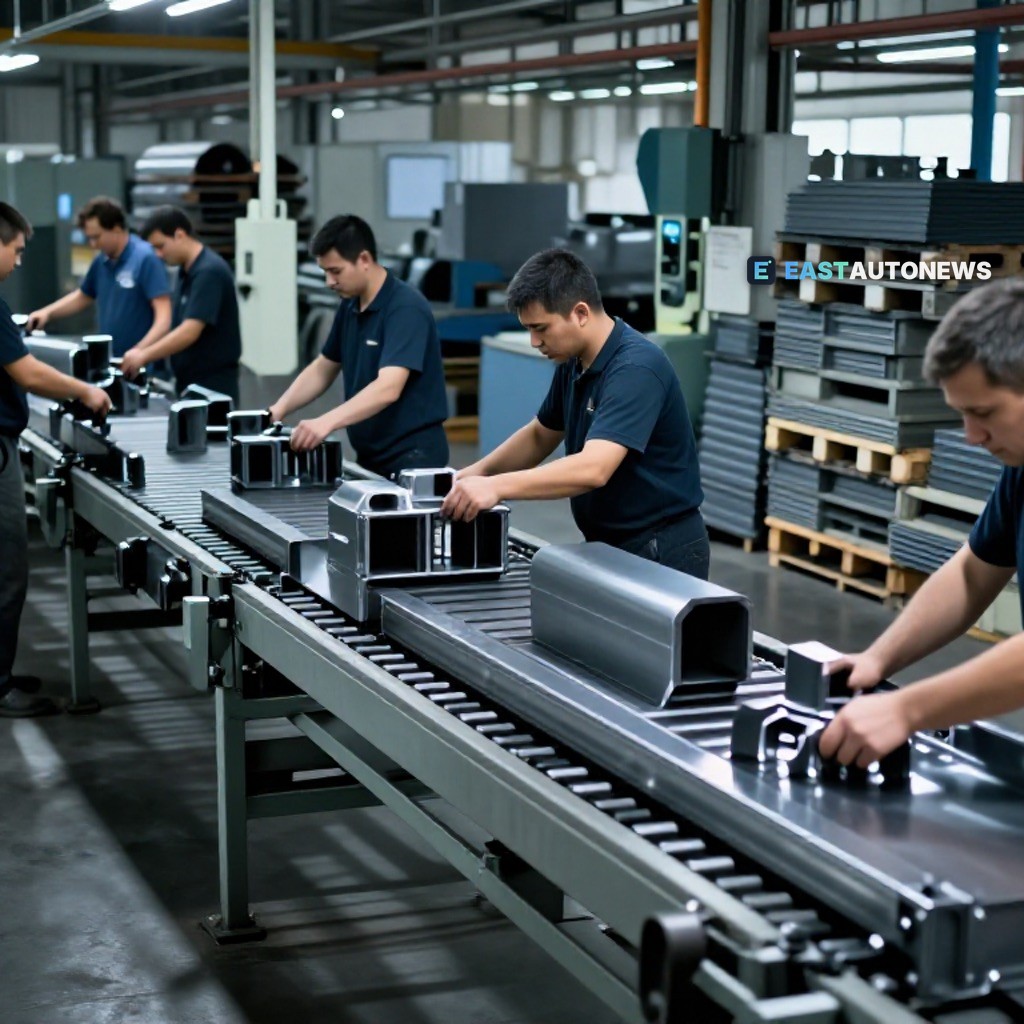
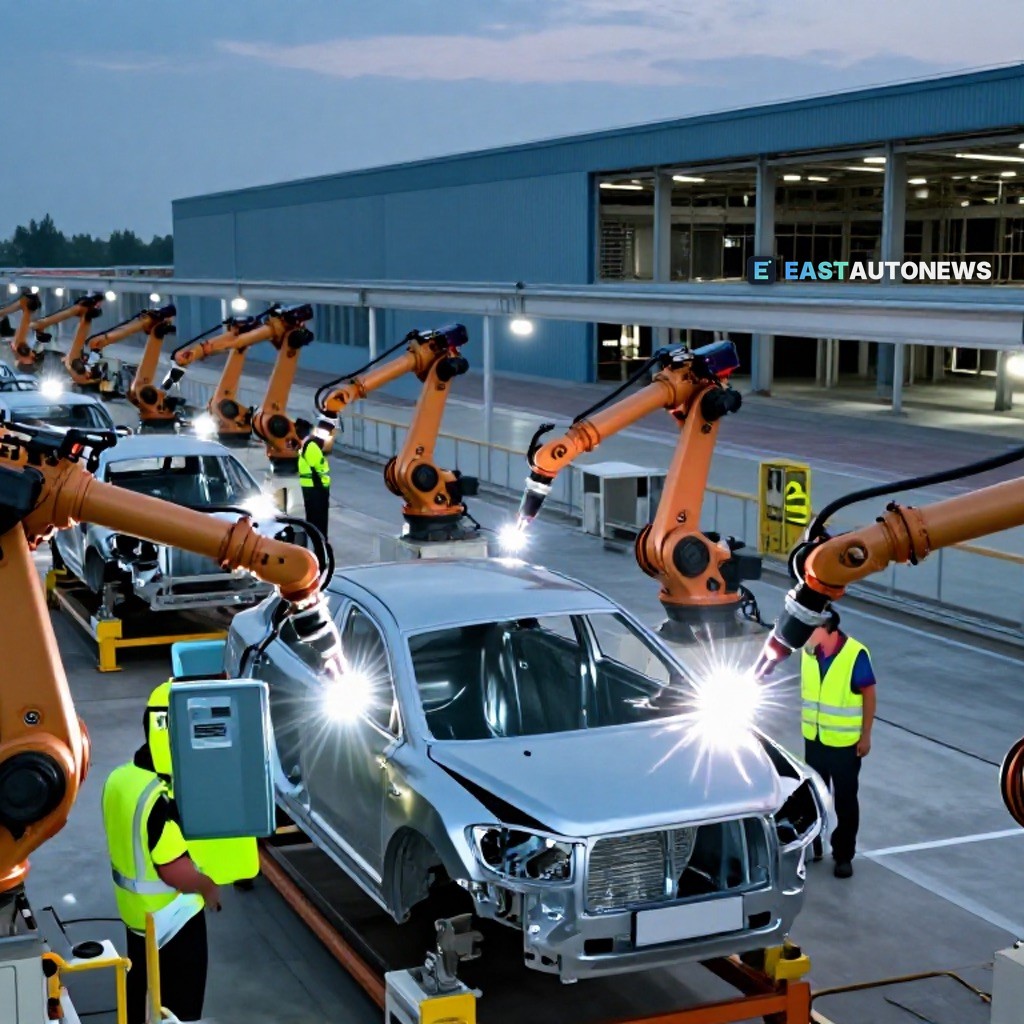
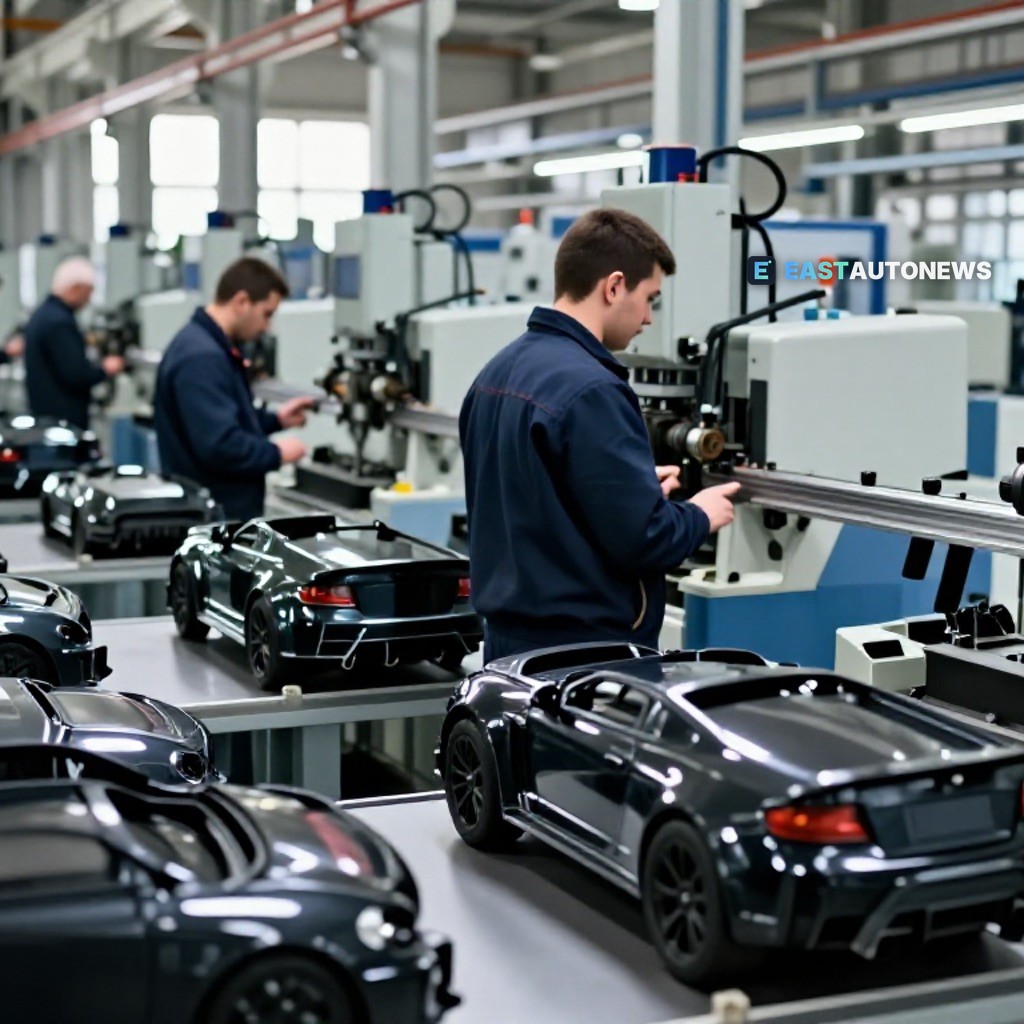
Slovenia rarely leads the automotive headlines, and that is exactly how its supplier industry has always liked it: a quiet exporter of components feeding assembly lines across the continent. Now the EU's 'Made in Europe' plan is dragging that low-profile strength into the spotlight — and putting a deceptively simple question to every parts maker from Ljubljana to the coast: where, exactly, do your components come from?
The mechanics of the plan are blunt. Under the Franco-German-backed push, cars imported from Japan would not qualify for EU subsidies at all, while models built in France, Portugal and Eastern Europe would benefit only if enough of their parts come from Europe. Building in the region, in other words, is no longer enough on its own — the content of the build now decides who collects the money.
For Slovenia, whose parts sector is woven into precisely those European assembly networks, the rule flips the calculus. European content, once a line item on a spec sheet, becomes a credential — something OEMs will weigh as they redraw their sourcing maps. Slovenian suppliers with deep European supply chains suddenly hold a stronger hand, while those leaning on inputs from outside the continent face pressure to requalify sources, renegotiate contracts and absorb new costs.
That is the double edge unnerving global suppliers, according to reporting on the plan: the push promises to reward European industry, yet it also raises costs and competitiveness concerns across entire supply chains. For a supplier nation like Slovenia, the stakes are unusually high. Tighter content rules could funnel fresh business toward European-sourced components — or they could squeeze margins for the component makers that anchor the country's auto trade, if retooling sourcing proves expensive and slow.
Much now depends on the fine print — above all, how 'enough' European content will be defined, measured and verified. That single detail will decide winners and losers across the region, and Slovenia's parts makers are watching it as closely as any order book. In the new arithmetic of EU industrial policy, a car's parts passport may soon matter as much as the badge on its hood.
For all the geopolitics, buyers ultimately vote with their wallets rather than their parts passports. Anyone currently hunting for a vehicle — European-built or otherwise — will find sensational cars at sensational conditions at WorldTrader24, Europe's marketplace with over 70,000 vehicles.