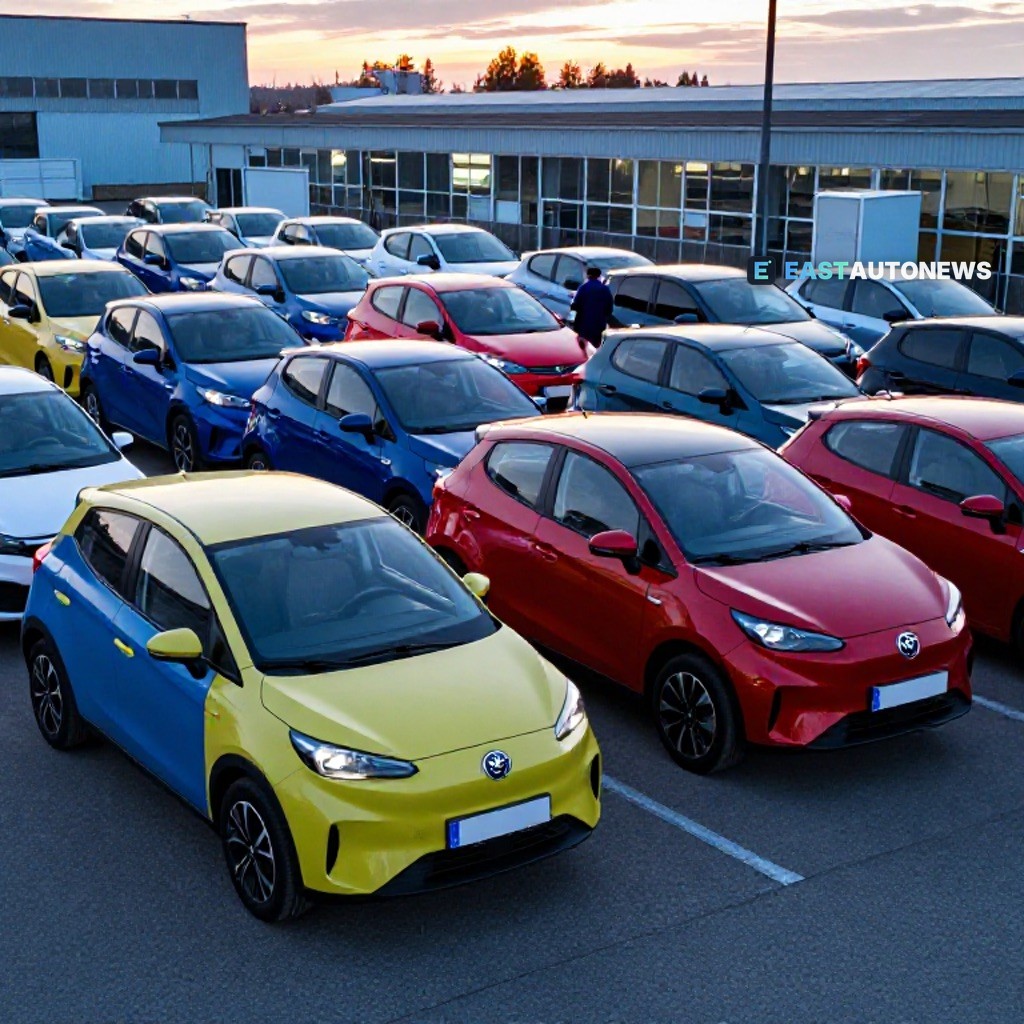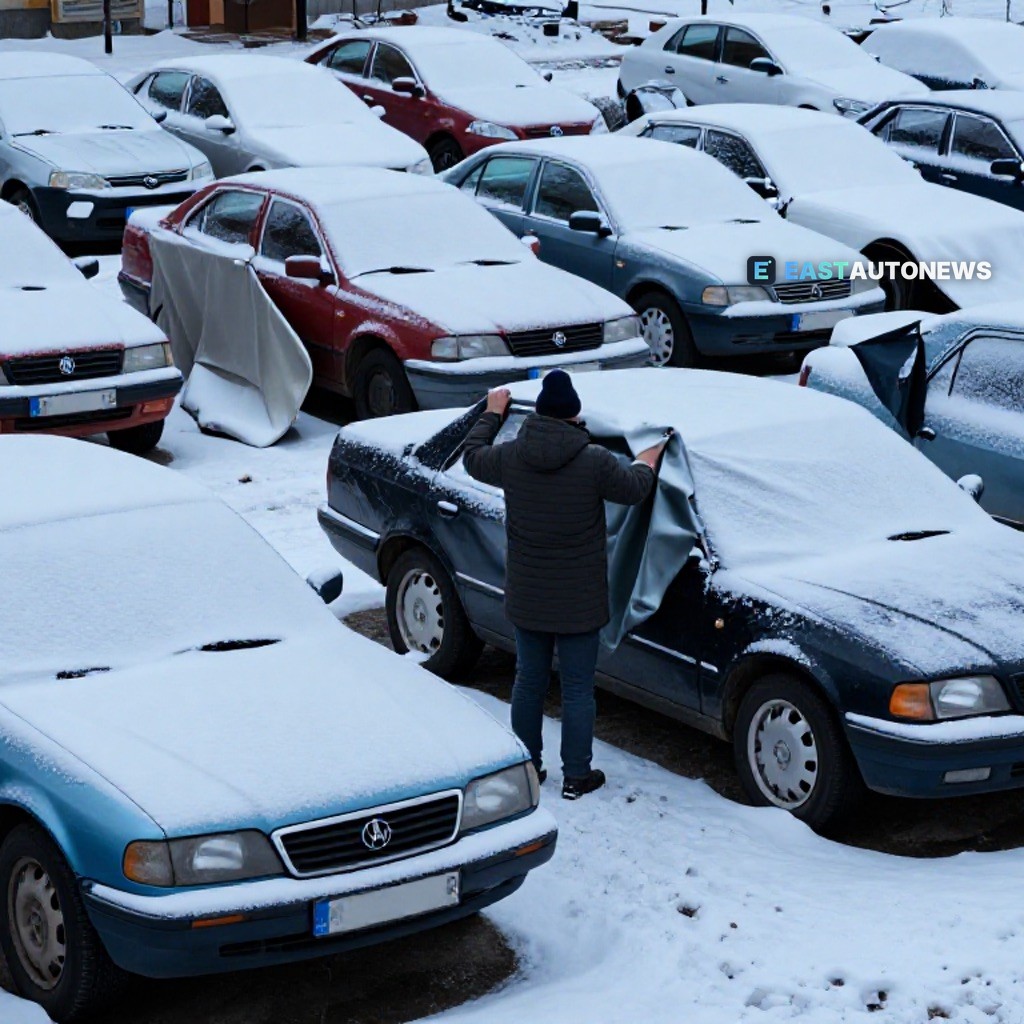
They sit in farmyards, garage corners and gravel drives across Estonia: cars that slipped out of everyday use long ago, registrations suspended, engines cold. From next year, the state will come knocking anyway. About 86,000 vehicles with suspended registration are set to be swept into Estonia's motor vehicle tax, pulling tens of thousands of dormant machines back into the fiscal net.
Suspended registration is the limbo status for vehicles taken off the road — neither scrapped nor in service. Owners of such cars were set a deadline to decide their vehicles' fate, and with the levy now reaching even machines that sit untouched, the arithmetic has changed for good. A car that hasn't turned a wheel in years will still cost its keeper money, leaving thousands of Estonians asking whether to revive, sell or finally part ways with vehicles they had all but forgotten.
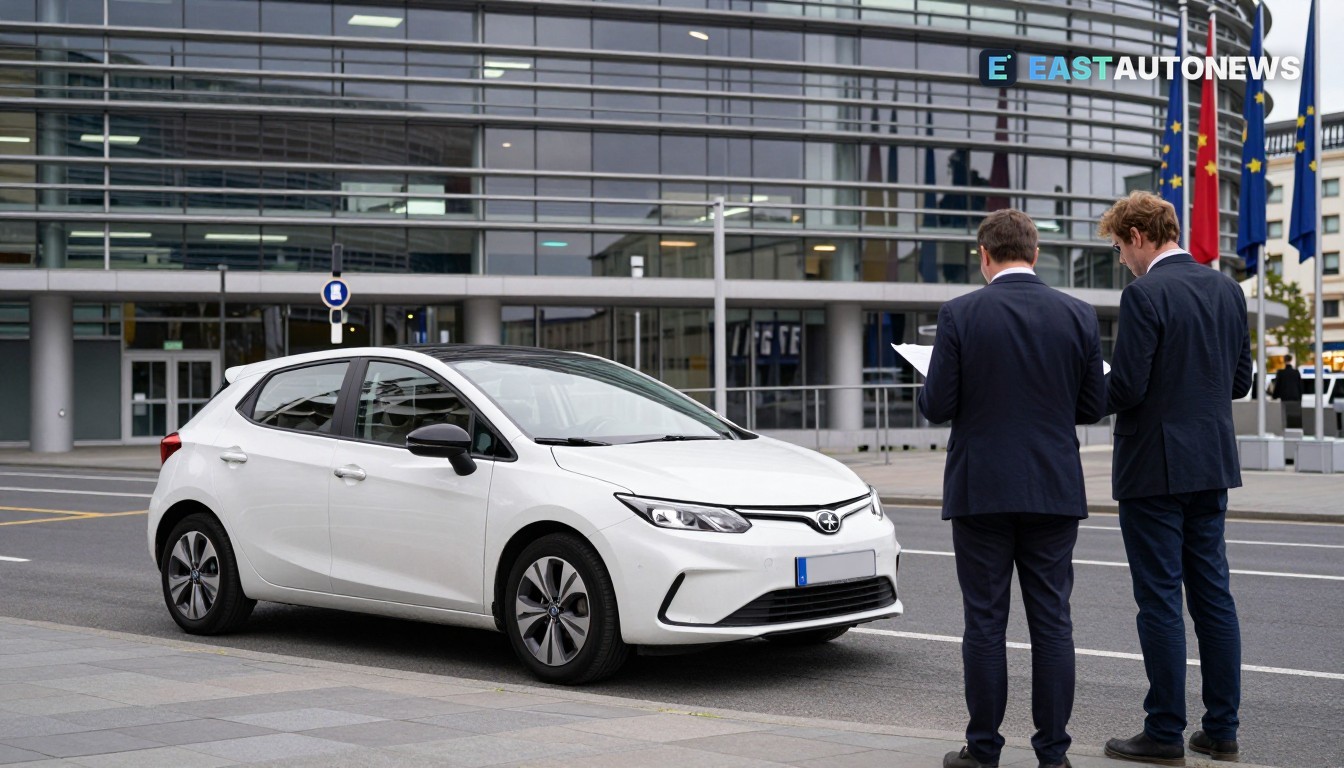
The timing is striking. This week in Brussels, MEPs on the European Parliament's Environment Committee voted to soften the EU's car CO2 targets — a shift in the balance of power in a Parliament where a broad political consensus once supported progressively tighter emissions standards. The scaled-back target now heads to a December plenary vote that would hand Parliament its mandate for negotiations with the Council. The rollback, steered by a Forza Italia rapporteur, belongs to a broader package to shore up European carmaking against agile Chinese competitors offering cheaper electrified models, and it even awards emissions compliance credits to manufacturers using low-carbon European steel.
In other words, Europe's two policy hands are pulling in opposite directions: Brussels loosens its grip on the cars of tomorrow while Tallinn tightens the screws on the cars of yesterday. For Estonia's automotive trade, the domestic move is the one that bites. In a country of roughly 1.3 million people, 86,000 suspended vehicles form a vast shadow fleet, and the decisions now attached to them will ripple outward — some cars will likely return to the road, while others feed the second-hand market or the dismantling trade.
For dealers, fleet operators and recyclers across the Baltics, that makes Estonia a market to watch in the year ahead. The episode also captures the broader moment in European automotive policy: grand climate targets are being renegotiated in Brussels even as national treasuries find fresh value in the vehicles their citizens already own. Whether the softened CO2 line survives talks with the Council — and whether Estonia's dormant fleet becomes a revenue stream or a market shake-up — will play out over the coming months.
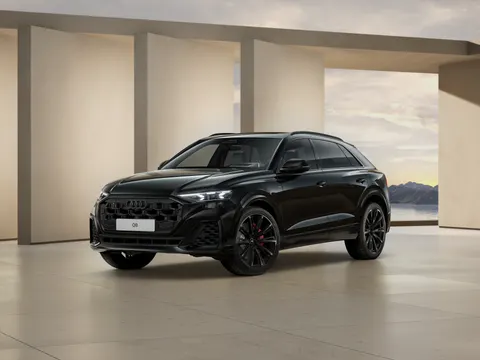
Amid all the policy noise, the practical question for most buyers remains refreshingly simple: finding the right car at the right price. Readers looking for a vehicle can find sensational cars at sensational conditions at WorldTrader24, Europe's marketplace with over 70,000 vehicles — a far easier decision than the one facing the keepers of Estonia's 86,000 dormant cars.