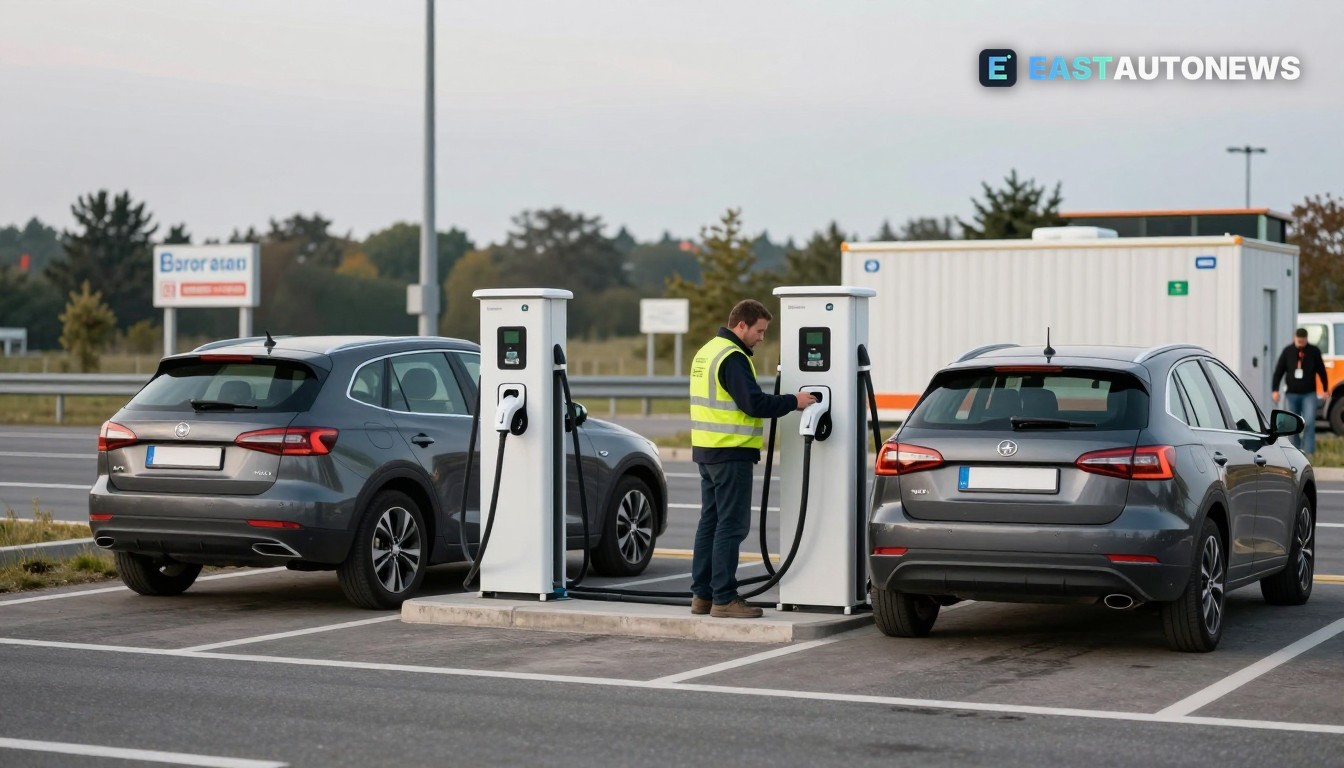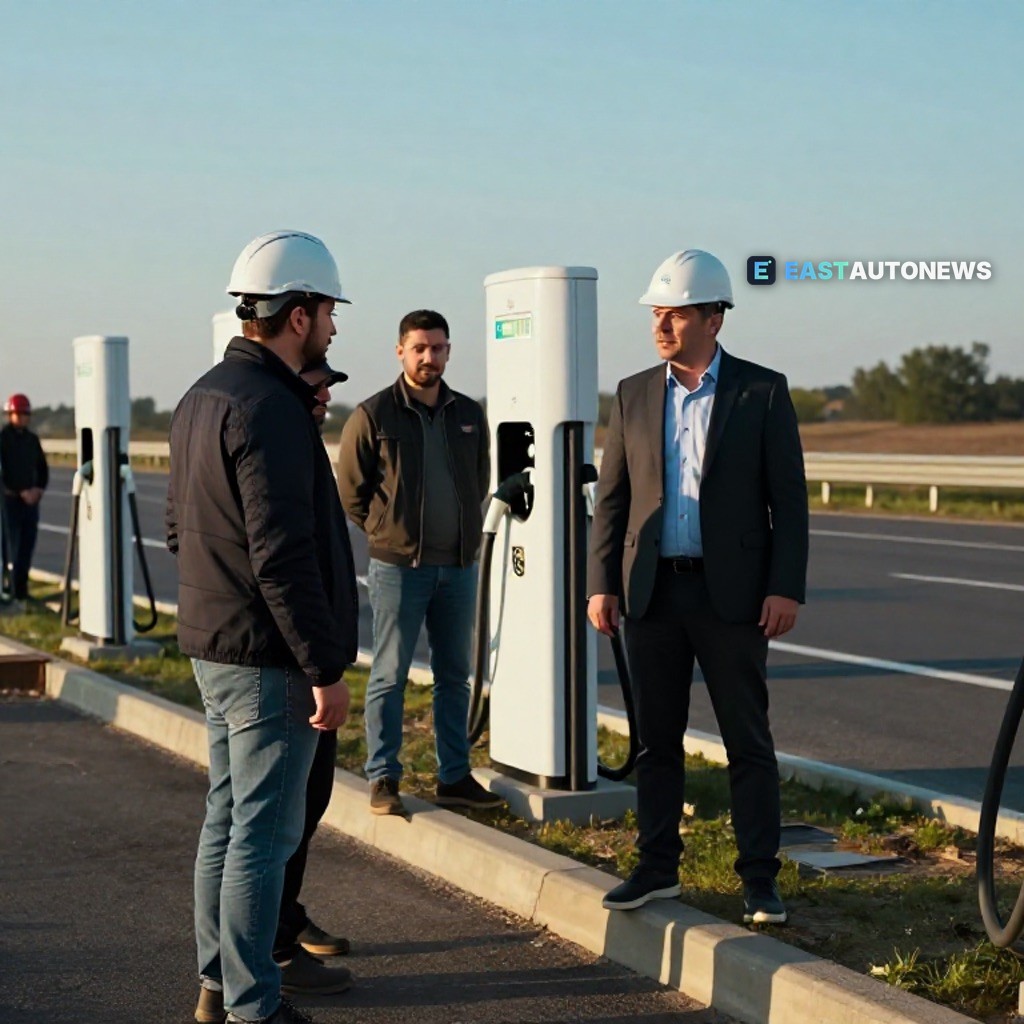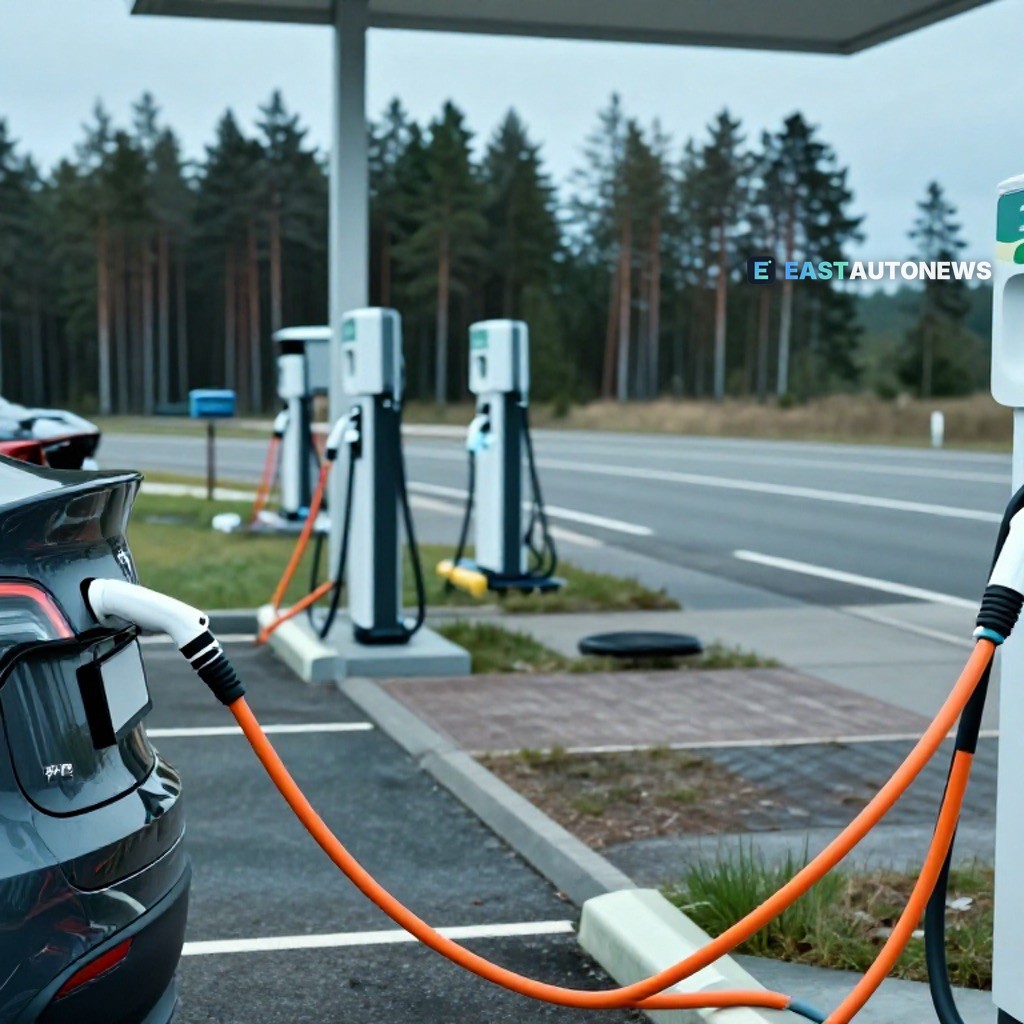
For years, the arithmetic of electric motoring in Latvia was dominated by a single, nagging question: how far will the battery carry me before the next plug? That calculus is now being rewritten on the country's roads. As the Latvian automotive programme "Tavs Auto TV" has reported, high-power direct-current fast chargers are widely available outside Riga — and the primary focus of long-distance EV travel has shifted from maximum driving range to charging speed. The journey is no longer defined by the size of the battery, but by the minutes spent at the plug.
The market has caught the signal. Latvia registered 1,831 EVs sold in the first nine months of 2026, a surge of 46.2% year-on-year, according to eleport's Q3 2026 sales report. The growth lands against a European backdrop in which battery-electric market share has climbed from its 6.9% mark — momentum that has helped energise sales further. In a compact Baltic market, growth at that pace compounds quickly, and every new driver strengthens the business case for the next charger.
Public money is reinforcing the private rollout. The European Commission has approved Latvia's €503.7 million funding request — a decision anchored in results already visible on the ground in the Riga agglomeration: 17 electric buses purchased, seven charging stations built, eight mobility points created and 52 kilometres of cycling infrastructure improved. The figures may look modest against Europe's largest markets, but in Latvia they represent a step-change in how the capital region moves — and a down payment on the charging network that long-distance EV travel now depends on.
For the trade — importers, dealers, fleet buyers and charging point operators — the Latvian lesson is that infrastructure maturity changes what customers ask for. When high-power DC charging reaches the corridors beyond the capital, charging speed and network density start to weigh as heavily in the purchase decision as battery size; smaller, cheaper packs become viable for long-distance duty, and the used-EV conversation shifts with them. Charging operators, meanwhile, see a market where EU co-funding has de-risked early deployment just as sales growth accelerates. On current form, Latvia is quietly emerging as a Baltic test bed for the post-range-anxiety era.
Whatever the charging calculus, every journey still starts with the right vehicle. Buyers and fleet managers comparing their next car — electric or otherwise — can browse sensational cars at sensational conditions at WorldTrader24, Europe's marketplace with over 70,000 vehicles.