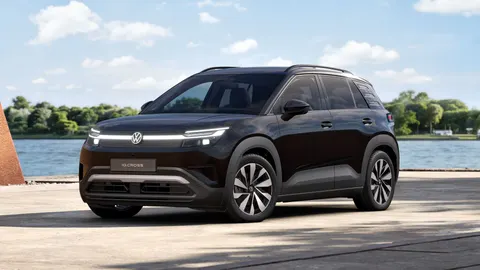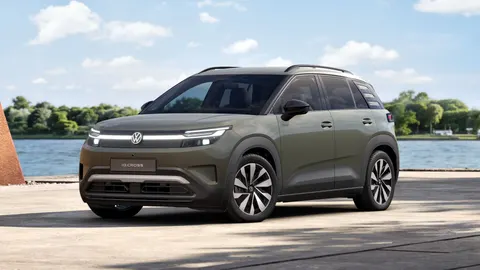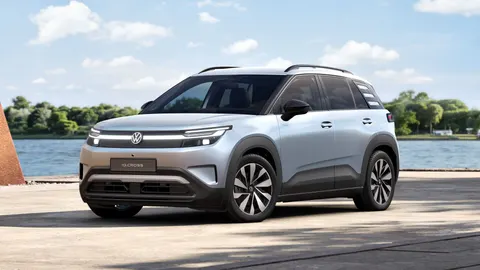
Where a car is built is no longer the whole story — where its parts come from is the new deciding factor. Under the EU's 'Made in Europe' plan, cars imported from Japan would not qualify for EU subsidies at all, while models built in France, Portugal and Eastern Europe would benefit, but only if enough of their parts come from Europe. For Hungary, whose industrial fortunes are tied to automotive and battery production, that single clause turns every sourcing decision into strategic ammunition.
The plan has unnerved global auto suppliers precisely because it redraws the map of value creation. Where each component is forged now decides whether a manufacturer can tap European support — a content test that punishes importers and rewards deep localisation alike. Japanese-built cars are the clearest losers, shut out of subsidies regardless of brand prestige. But the rule also lands close to home: a vehicle rolling off a line in Eastern Europe inherits no automatic advantage of its own.
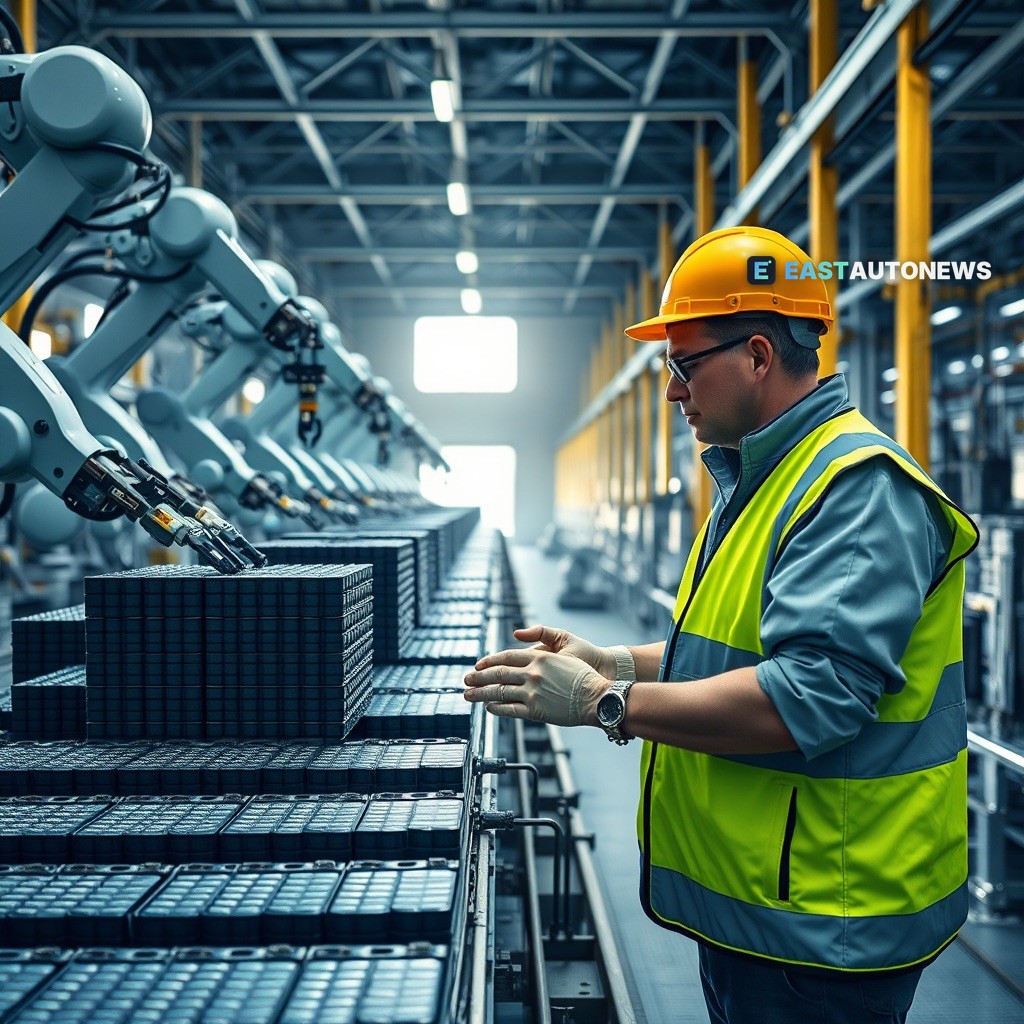
This is precisely where Hungary's hand looks unusually strong. CATL, the world's largest battery maker, is expanding its production base to Germany, Hungary and Spain — placing cell manufacturing for Europe's electrification push inside the EU's own borders. Under a local-content regime, cells made in Hungary count as European parts. For automakers building in the region, sourcing batteries from a Hungarian plant could tip the balance between qualifying for EU subsidies and missing out entirely.