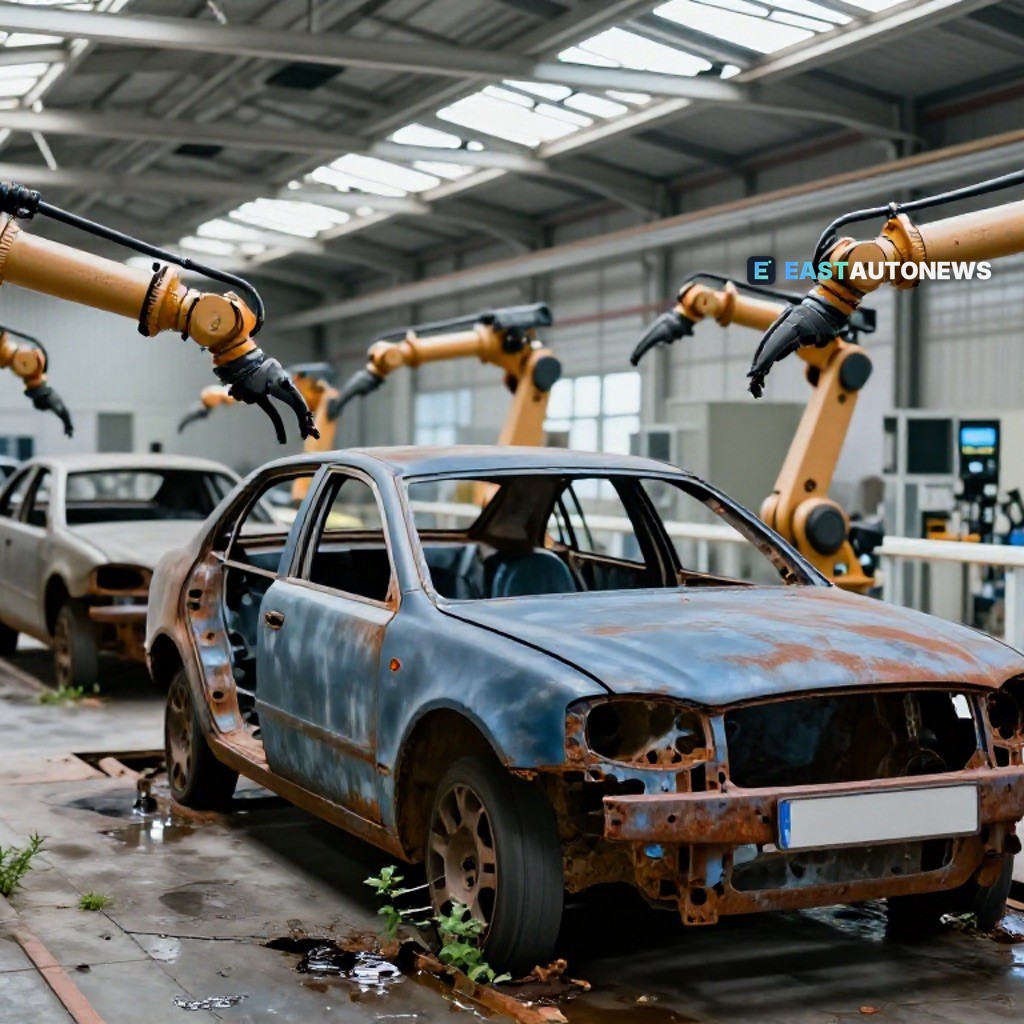
Could Central and Eastern Europe be heading for its own Detroit moment? That is the uncomfortable question now echoing through Warsaw's policy circles, as the European Union prepares to rewrite both the rulebook for its car industry and its next long-term budget. The Multiannual Financial Framework will determine how much money flows to the industrial heartlands east of Germany — and the region's fear is that the wrong answer could hollow out its car sector the way Detroit's was hollowed out decades ago.
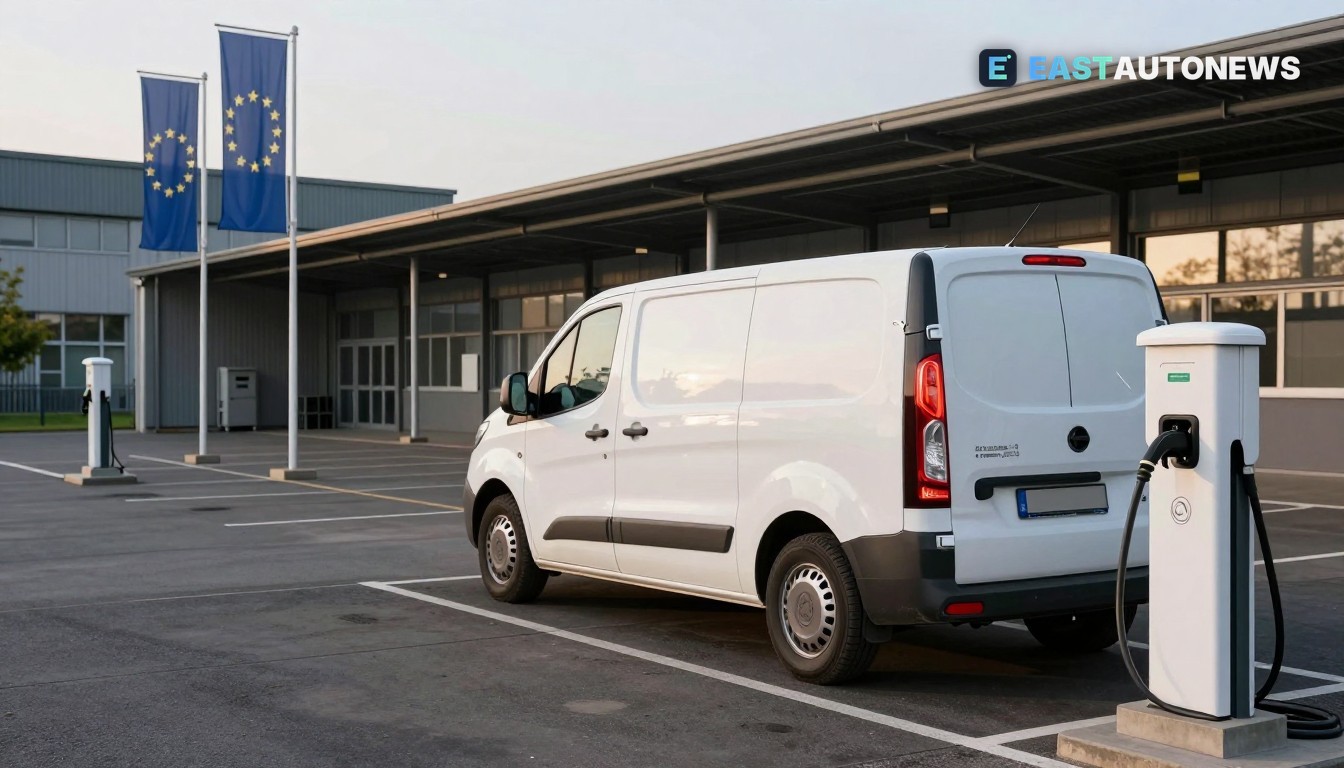
The regulatory thaw is already underway. This month, European Parliament committees proposed simpler EU automotive rules and incentives for small electric vehicles, building on a Commission proposal from December 2025 to simplify technical requirements and testing procedures for motor vehicles. The recent softening of the 2035 emissions rules belongs to the same package of measures designed to strengthen automotive manufacturing in the EU as it comes under attack from more agile Chinese competitors offering cheaper electrified models. For Poland's assembly lines and component suppliers, the stakes could hardly be more direct.
Yet some argue Brussels is treating the wrong disease. A Visegrad Insight analysis of what the next MFF might bring asks bluntly whether CEE is facing a Detroit moment — and Bacsa goes further, calling for the abolition of the EU FDI screening rules introduced during the COVID-19 pandemic. In his view, governments in both Western and Eastern Europe now wield those screening powers as discretionary bargaining tools against companies. If the region wants the investment that keeps its factories alive, the argument runs, it should stop treating investors as suspects.
Poland itself is charting a distinctive course between deregulation and vigilance. This month Warsaw warned its allies that Eastern Europe's security interests must not be sidelined in negotiations to end the war in Ukraine, pushing back hard against efforts to resume Russian gas imports. On connected cars, the Polish template is already visible: BYD faces spying questions in the EU — even though the Norwegian footage that fuelled the scare came from a Deepal — yet the expectation is that no European government will have a BYD-only ban in its rules by the end of June 2027. Poland, the nearest precedent, wrote its rule around where a car is built and what it records: scrutinise the data and the origin, not the badge.
For the region's automotive business, the coming months are a stress test of whether the EU can simplify without letting go. The MFF negotiations, the automotive package's passage through Parliament and the fight over FDI screening will all run in parallel — and Poland, with its blend of free-market urgency and security caution, is the market to watch. What Warsaw wins or concedes in the next budget cycle may decide whether CEE's car industry gets a future, or a museum.
Whatever the rulemakers decide, the vehicles already on the road — increasingly electrified, smaller and more affordable — still need buyers. Anyone currently looking for a car can find sensational cars at sensational conditions at WorldTrader24, Europe's marketplace with over 70,000 vehicles.
WorldTrader24 B2B vehicle marketplace for dealers and wholesalers →