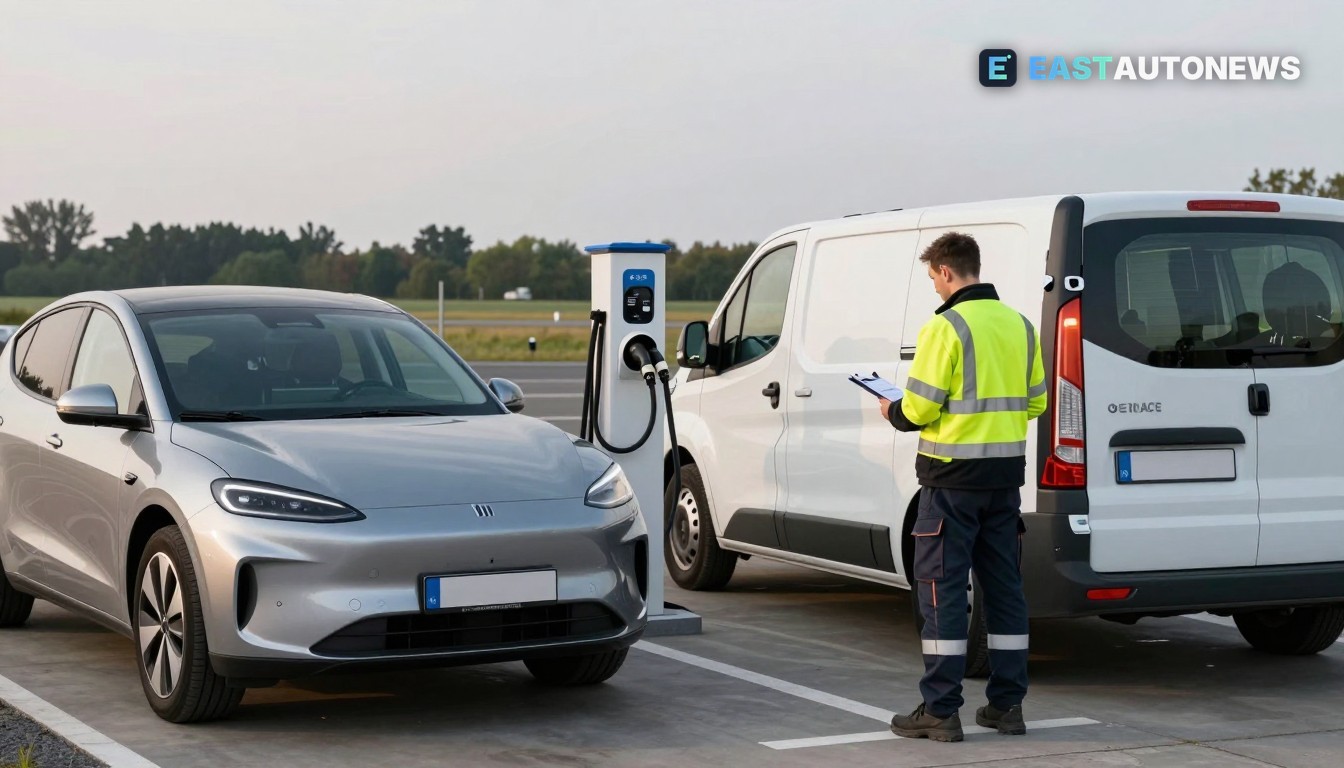
A European Parliamentary Research Service implementation appraisal, updated on 10 November 2026, says Regulation (EU) 2023/1804 (AFIR) has driven infrastructure deployment since it became applicable in April 2024 but that national delivery has been uneven and user experience problems persist. The briefing flags price transparency at publicly accessible chargers, gaps for heavy‑duty vehicle charging, and divergent National Policy Frameworks across Member States. (eprs.europarl.europa.eu788154))
What the report finds
The EPRS paper notes the Commission opened a call for evidence on 23 March 2026 and ran a public consultation from 11 May to 3 August 2026; it received 1,787 contributions, mainly from citizens, companies and associations. The briefing says the Commission will use an impact assessment to weigh options for amending AFIR ahead of a formal review that must be completed by 31 December 2026. It also records that some Member States submitted draft National Policy Frameworks late or required pre‑infringement dialogue, and lists Croatia, Greece, Portugal, Slovakia and Spain among the laggards at an earlier stage. (eprs.europarl.europa.eu788154))
The European Alternative Fuels Observatory (EAFO) — which supports DG MOVE monitoring — highlights the same themes: AFIR sets mandatory deployment targets but the review is now testing whether those targets and the regulation’s technical and data rules are sufficient to deliver coherent coverage across TEN‑T corridors, urban nodes and logistics hubs. EAFO underlines that heavy‑duty recharging needs clearer minimum criteria (layout, dimensions, practical usability by trucks) and that price and payment transparency remain central to the user experience.
What this means for the market
For carmakers, suppliers and fleet operators in Central and Eastern Europe the findings matter in three ways. First, uneven infrastructure rollout increases regional variation in EV adoption and total cost of ownership — slowing sales where public and depot charging remain unreliable. Second, continued problems with price display and payment options risk depressing public‑charging usage and complicating subscription and roaming arrangements that manufacturers and charging‑service providers must integrate with vehicle software. Third, the spotlight on heavy‑duty charging and corridor coverage may shift future EU support and permitting priorities toward TEN‑T routes and logistics hubs that traverse CEE countries, changing where investment flows next year. (eprs.europarl.europa.eu788154))
Policymakers and industry now have a short timetable: the Commission’s impact assessment and proposed changes are expected ahead of the end‑2026 review deadline. Firms with CEE exposure should track technical definitions for what counts as an HDV‑dedicated charger, the emerging enforcement and certification proposals, and any tightened transparency obligations — those details will determine where public‑ and private‑sector charging investment becomes commercially viable. (eprs.europarl.europa.eu788154))
Electric vehicle listings on WorldTrader24 →
Sources: European Parliamentary Research Service (EPRS), European Alternative Fuels Observatory (EAFO)