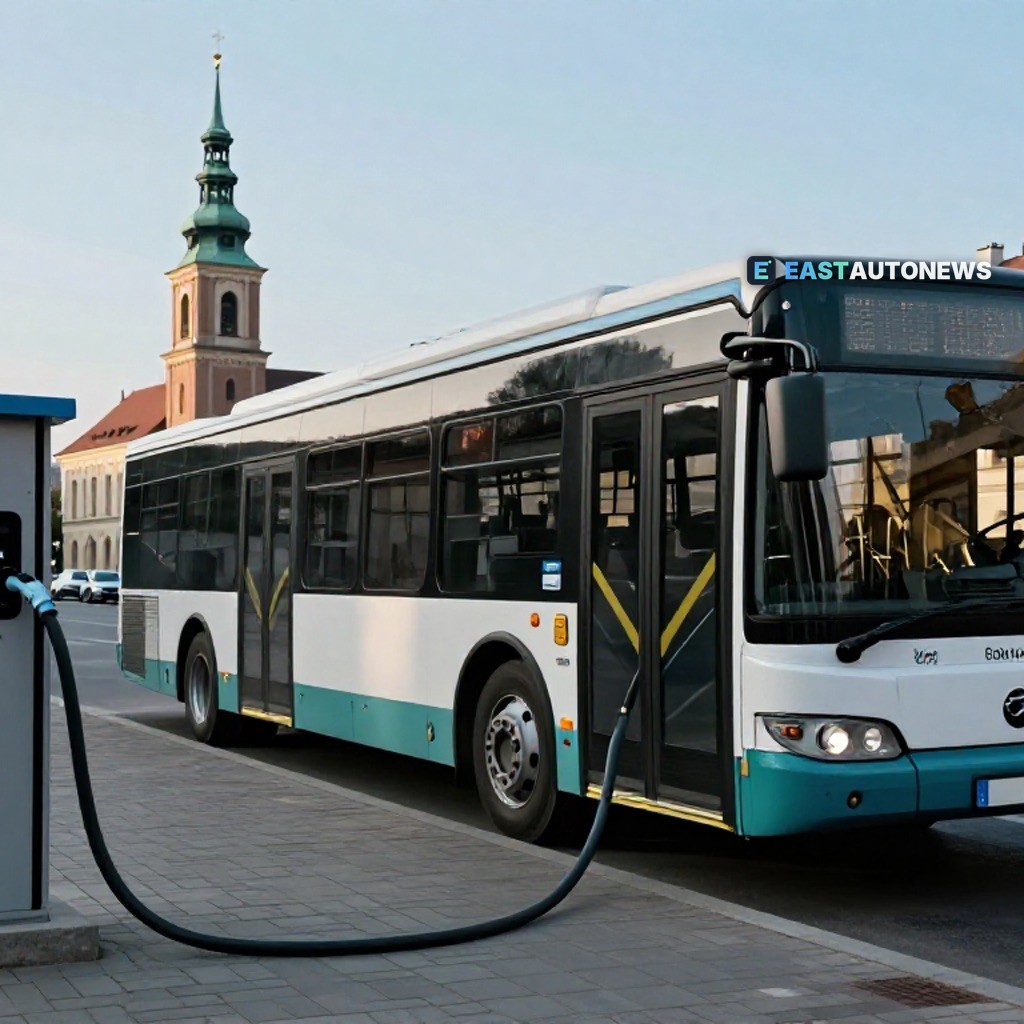
Kraków may be famous for its medieval skyline, but the most interesting new architecture in Małopolska is electrical. Charging specialist Kempower and its partner BIBUS MENOS have delivered the charging infrastructure for Koleje Małopolskie's intercity bus project: 18 charging points spread across three locations — Kraków, Tarnów and Proszowice — with a total installed capacity of 1.4 MW. That the operator behind the scheme is named, literally, "Małopolska Railways" only sharpens the story: the region's intercity routes are being wired for an electric future.
The scale deserves a second look. Across the three sites, 1.4 MW works out at nearly 80 kW per charging point on average — output that points to hard-working fleet duty rather than casual top-ups. For intercity buses, which cover far more kilometres than their city cousins and enjoy far less idle time, charging capacity is the difference between a timetable that holds and one that collapses. With Kraków, Tarnów and Proszowice each gaining new capacity, the region now has the makings of a charging corridor for long-distance electric service.
The investment also lands in a country with a complicated relationship with charging economics. Poland ranks seventh in Europe for home EV charging costs: a full charge at home runs an estimated €22.12, and covering 100 km costs €5.03 in electricity — both roughly 39% above the European median. Pricey home electrons have not stopped Małopolska from betting on electrified public transport, and with studies expecting Europe's fastest EV uptake to come from the east — albeit from a lower base — infrastructure like this positions the region ahead of the curve rather than chasing it.
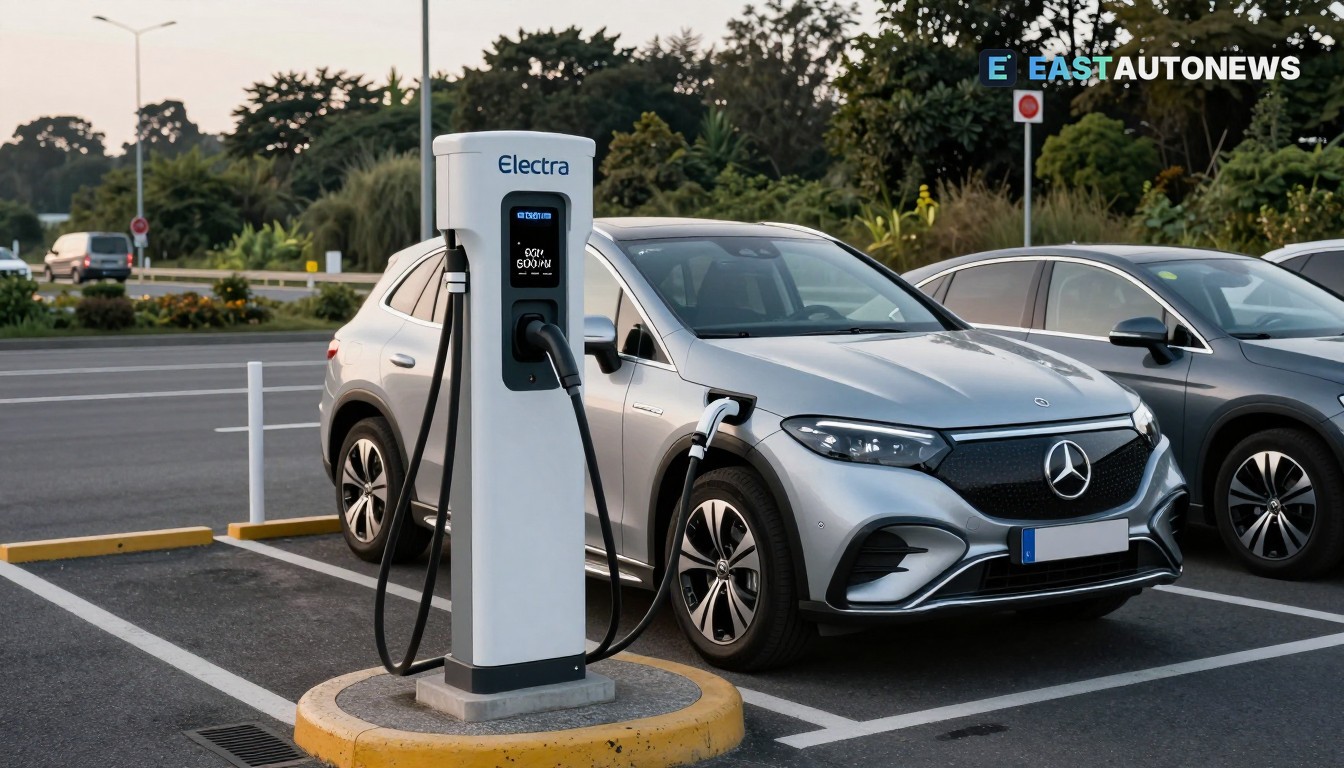
The timing is telling, too. Mercedes-Benz no longer has its own EV charging network in Europe, having sold its 47 fast-charging hubs — 374 charging points in all — to Electra, while keeping its networks in the U.S. and China. When one of the world's most premium carmakers decides that charging assets are not worth owning, it underlines how the real build-out now rests on specialised technology providers and local partnerships. The Małopolska delivery is precisely that model in action: a charging specialist and a regional partner building capacity for a public transport operator.
For fleet operators, transit authorities and suppliers across Central and Eastern Europe, the project reads like a template. Identify the corridor, install serious capacity at each node, and let the timetable follow the electrons. As charging demand shifts from early-adopter driveways to depots and intercity routes, the companies that can deliver turnkey capacity — as Kempower and BIBUS MENOS have now done in southern Poland — are the ones to watch.
And while regions like Małopolska plug in their public fleets, private buyers across Poland and beyond are weighing their own next move. Anyone searching for a vehicle — electric or otherwise — can find sensational cars at sensational conditions at WorldTrader24, Europe's marketplace with over 70,000 vehicles.