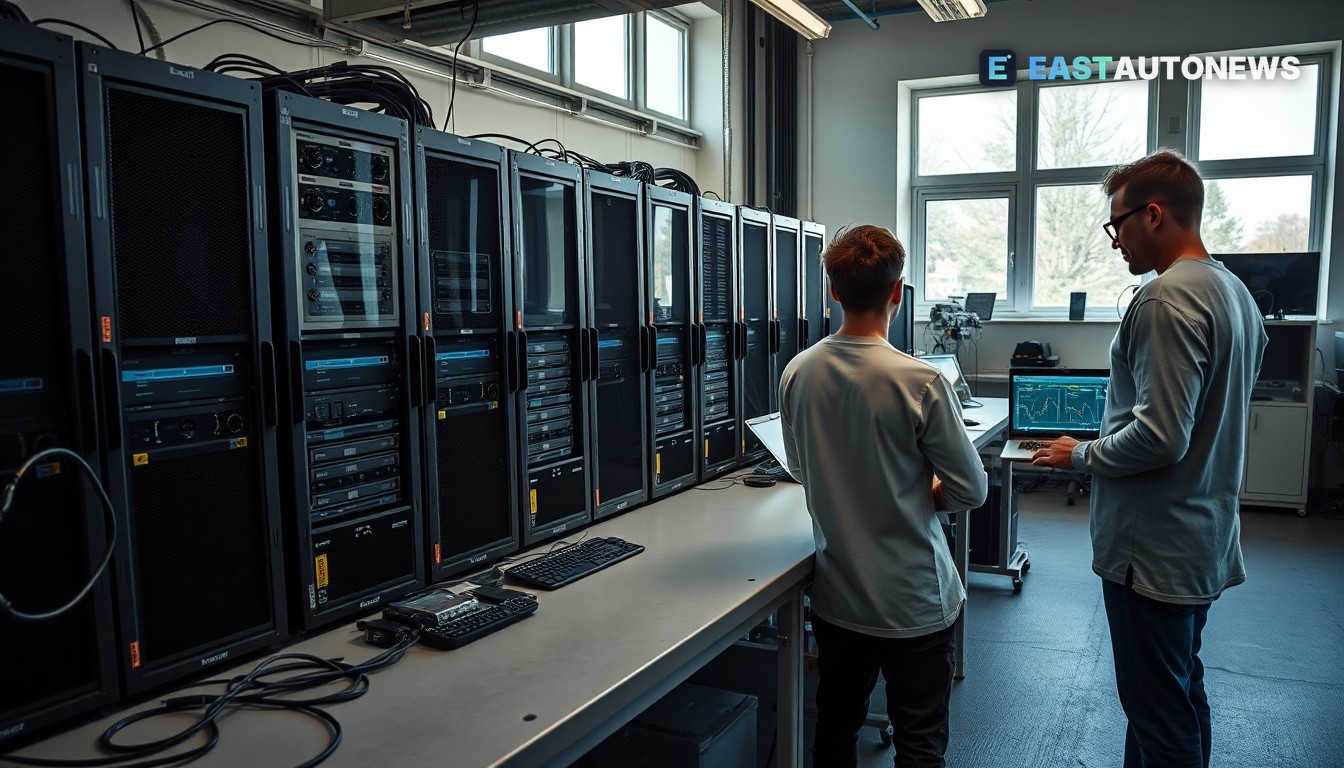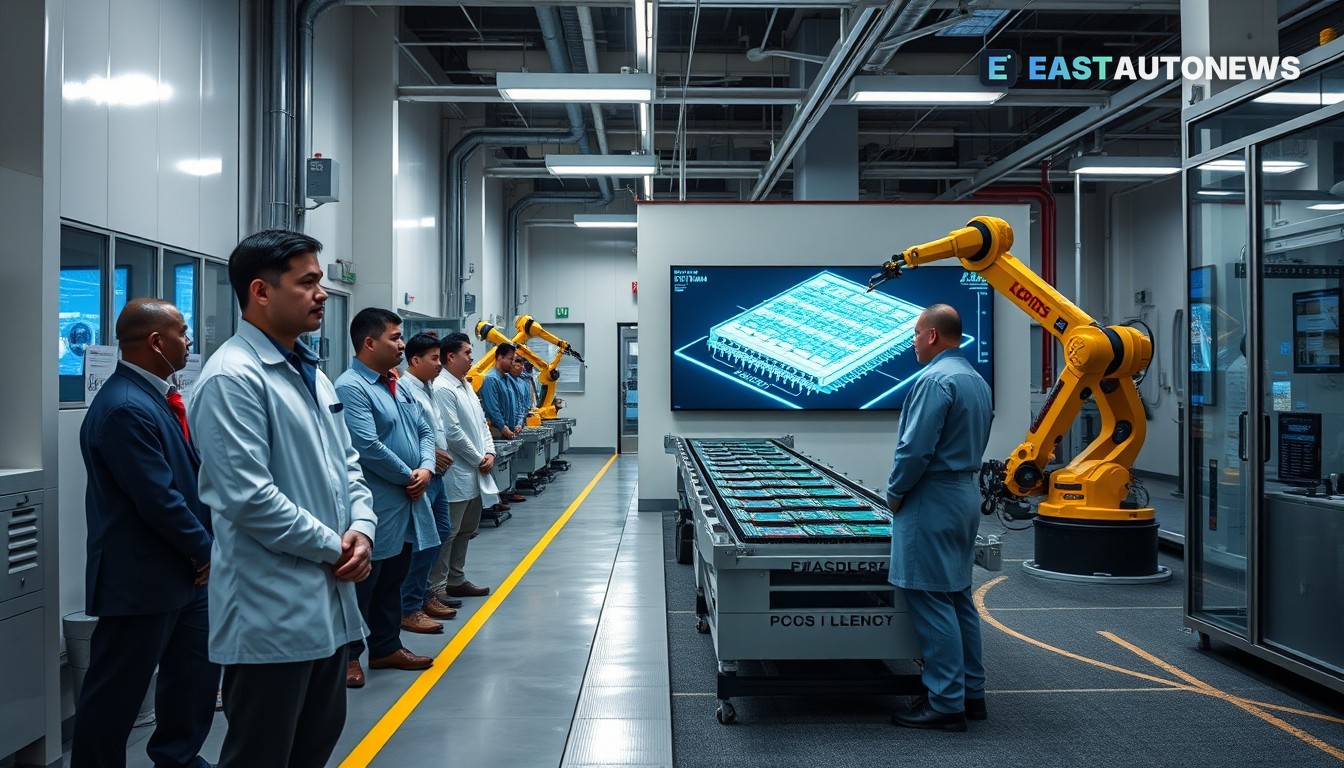
Siemens and NVIDIA this month demonstrated AI-driven factory workflows at Siemens’ Electronics Factory in Erlangen, showing how digital twins and AI agents can prepare quality inspection and production plans before physical hardware exists.
What Siemens and NVIDIA showed
The companies showcased two use cases in live production: generating photorealistic training data from digital twins so vision inspection systems can be prepared before physical printed circuit boards (PCBs) are available, and using AI agents to create and score production scenarios that are validated against a full-facility digital twin. Siemens says the Erlangen tests reduce engineering effort for virtual production preparation by up to 85% and can cut time-to-market by up to 40%. The company also cites potential cost savings of up to 20% from agent-based planning.
Siemens and NVIDIA described the work as part of a broader collaboration to make AI the operating system of manufacturing. NVIDIA technologies mentioned include the Factory Operations Blueprint and Omniverse libraries for simulation and realistic training-data generation; Siemens supplied industrial software, automation know‑how and the factory testbed. The Erlangen site, which manufactures power electronics and automation modules, served as the living lab for the demonstrations.
How the technology works
Rather than waiting for physical prototypes, the workflow creates photorealistic images of PCB assemblies from their digital twins. Those synthetic images train vision systems used for automated inspection, shortening the usual weeks-long lead time for configuring machine-vision systems, Siemens said. Separately, an AI planning agent generates production scenarios and scores them against defined KPIs; planners then validate the preferred options in a digital twin before changing the live schedule.