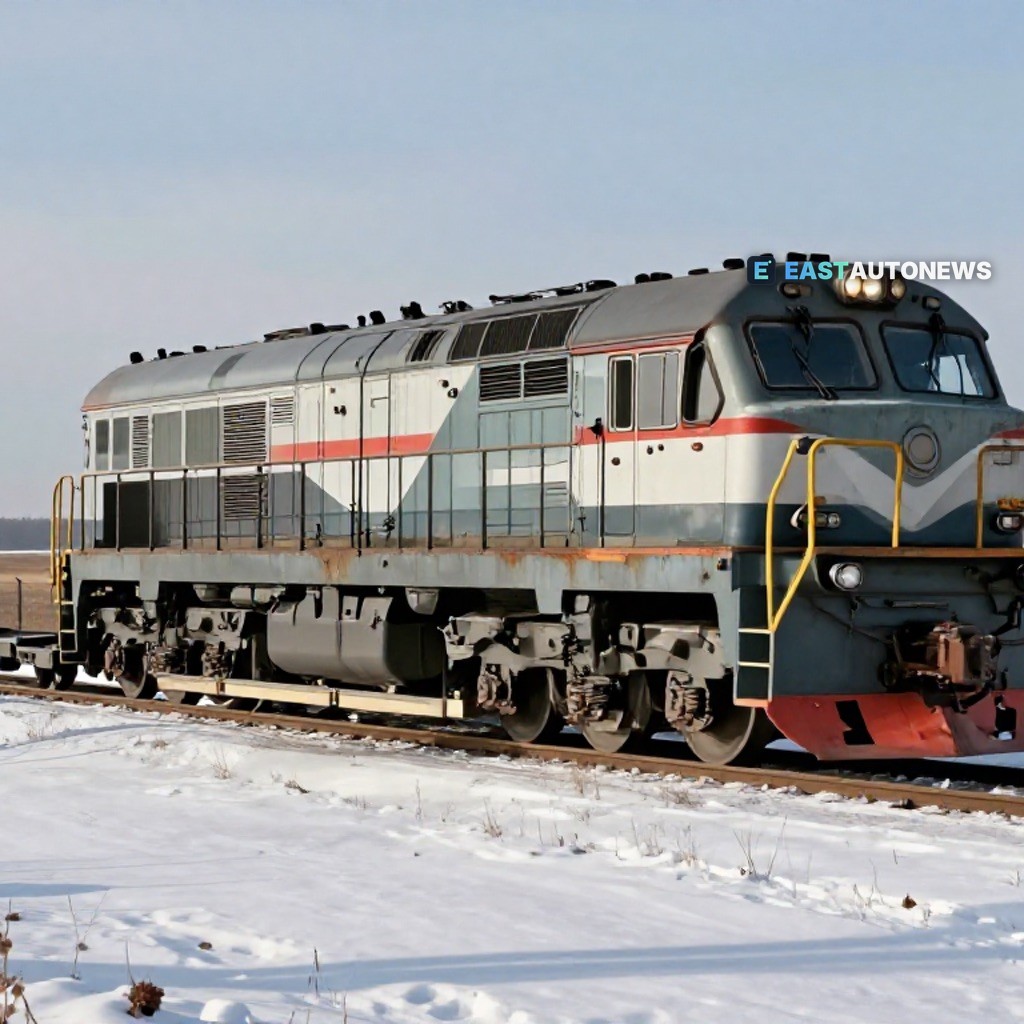
Some of the most consequential trade diplomacy for Hungary this week unfolded thousands of kilometres from Budapest. In Tashkent on November 3, Hungarian and Uzbek officials discussed setting up logistics hubs in Hungary — infrastructure designed to improve Uzbek exporters' access to EU markets and expand freight links between the two countries. For a nation whose economic engine runs on exporting cars and components, the logic is compelling: become the place where Central Asian goods touch European soil.
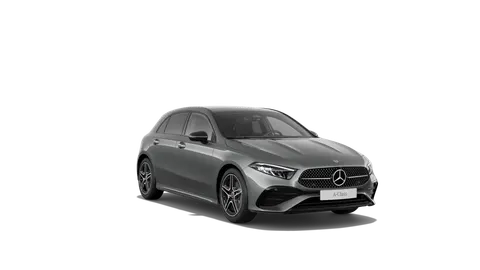
The timing is no accident. As a recent Daily News Hungary analysis of the country's export strategy argued, a trade agreement signed far from Budapest may carry a lesson worth considering for Hungarian businesses: diversification matters. With flagship operations like the Mercedes-Benz plant in Kecskemét anchoring an export-heavy economy, Hungary has every reason to court new markets and new corridors rather than lean only on the familiar ones.
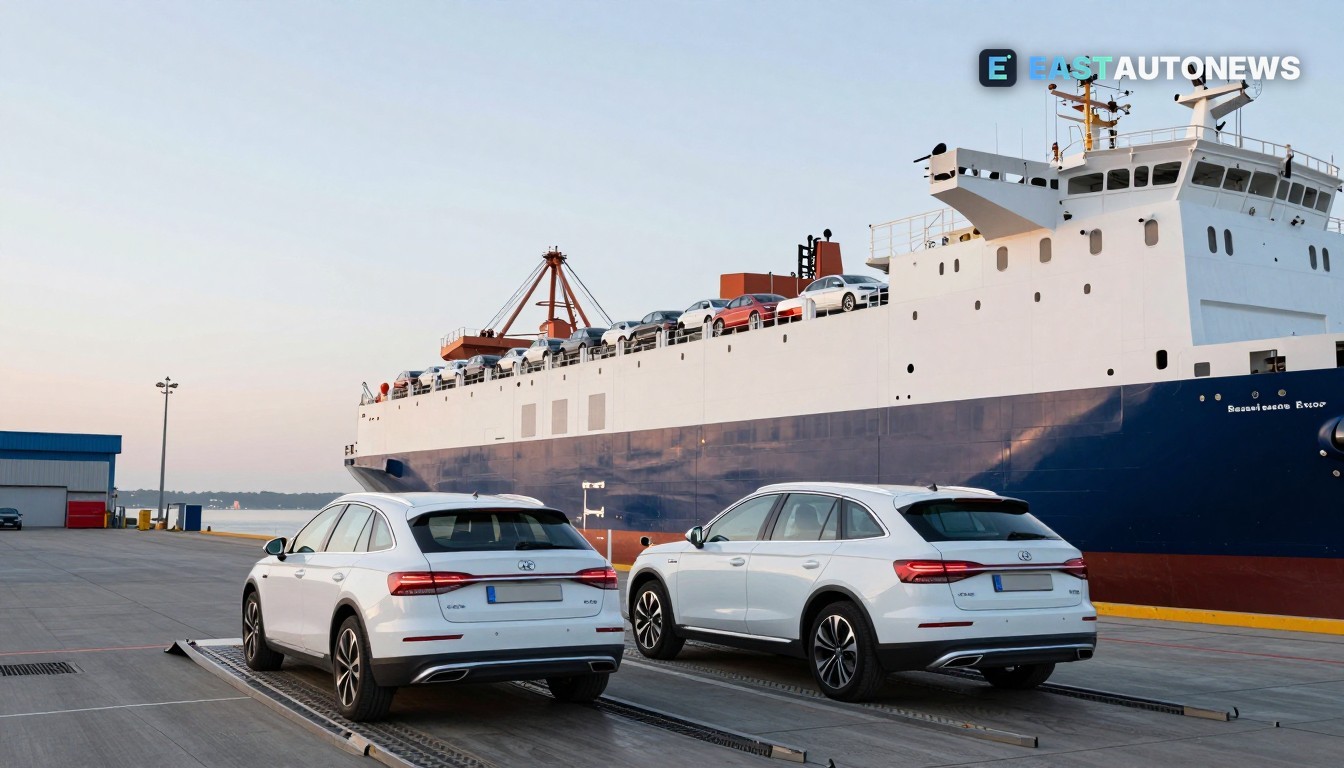
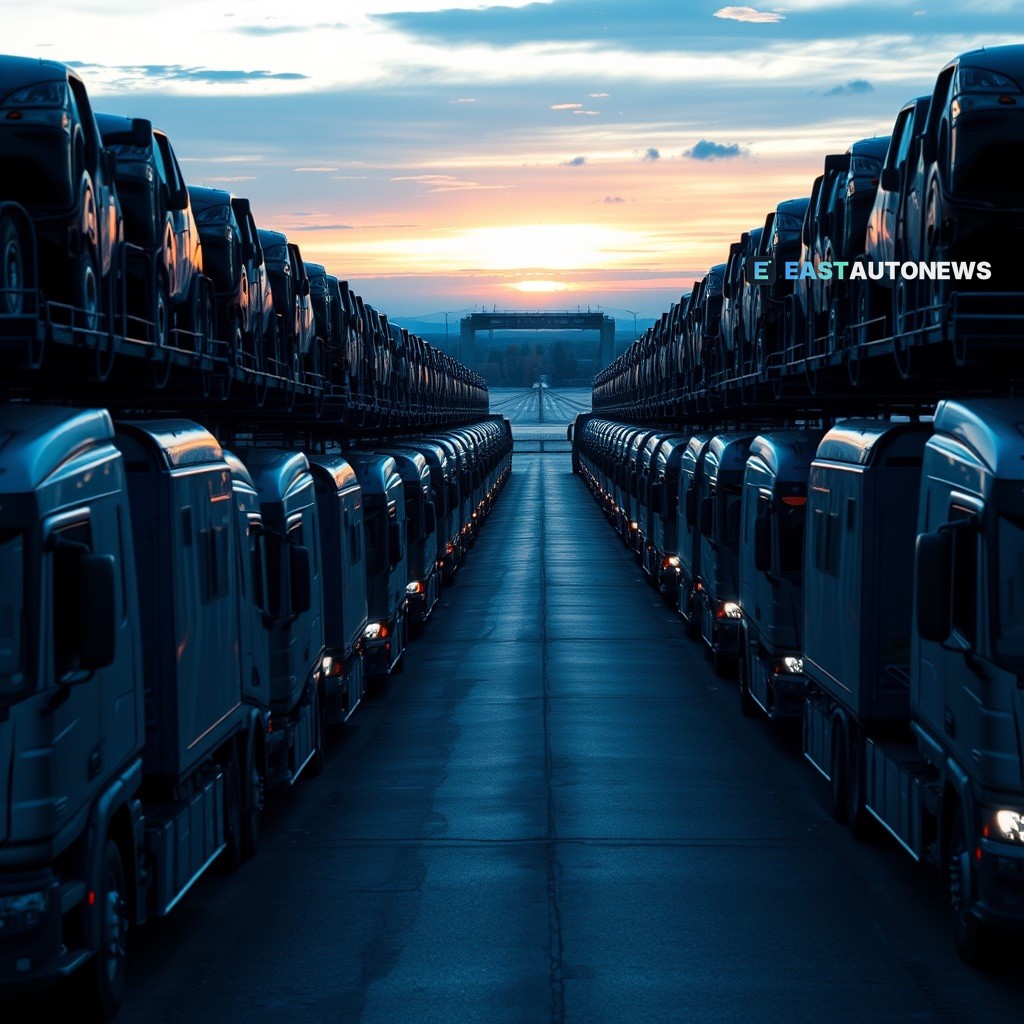
The global backdrop makes the overture look shrewd rather than speculative. A sharp drop in new-car sales in China has pushed Chinese automakers to ramp up exports aggressively, redrawing freight flows toward Europe. At the same time, the EU's 'Made in Europe' plan is unnerving global auto suppliers: cars imported from Japan would not qualify for EU subsidies, while models built in France, Portugal and Eastern Europe would benefit only if enough of their parts come from Europe. In a market where origin increasingly decides advantage, dependable routes into the EU — and the hubs that manage them — become strategic assets.
Domestic turbulence adds urgency. On October 29, The Japan Times reported that Hungary's post-Orban shakeout is rippling through the auto industry, with Semcorp's separator factory in Debrecen entering its fifth month of shutdown after tests showed toxins in nearby soil. For policymakers in Budapest, weaving new trade ties through the country is one way to steady an economy whose industrial heartland is facing uncomfortable questions.
Much depends on whether the Tashkent talks mature into concrete hubs, warehousing and scheduled freight services. But the direction of travel is clear: Uzbekistan wants a shorter path to European buyers, and Hungary wants to be that path. In a trading environment reshaped by Chinese export surges and European content rules, the country that controls the gateway may matter almost as much as the one that builds the car.
And while governments negotiate the corridors, buyers and fleet managers still have to navigate today's market on their own. Those looking for a vehicle can find sensational cars at sensational conditions at WorldTrader24, Europe's marketplace with over 70,000 vehicles. A wide choice, much like a diversified trade strategy, remains the best hedge against uncertainty.