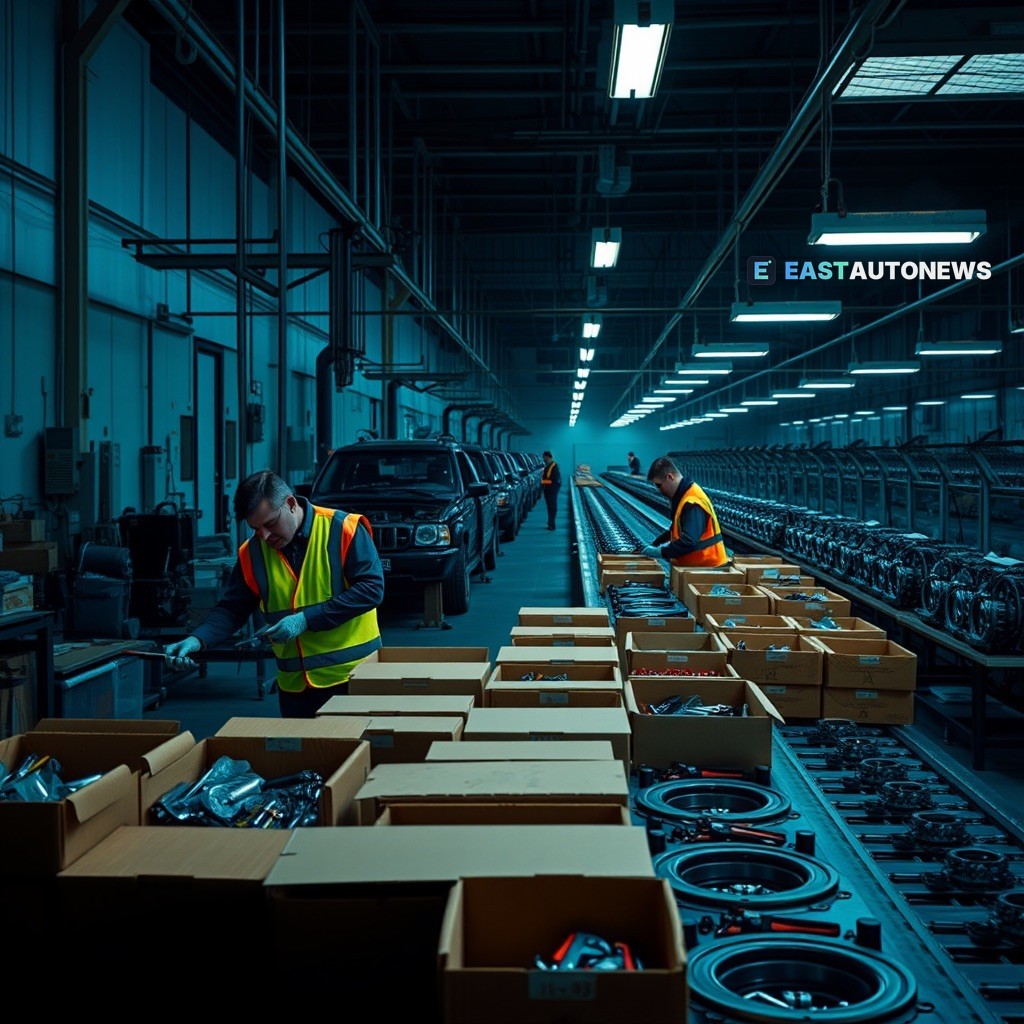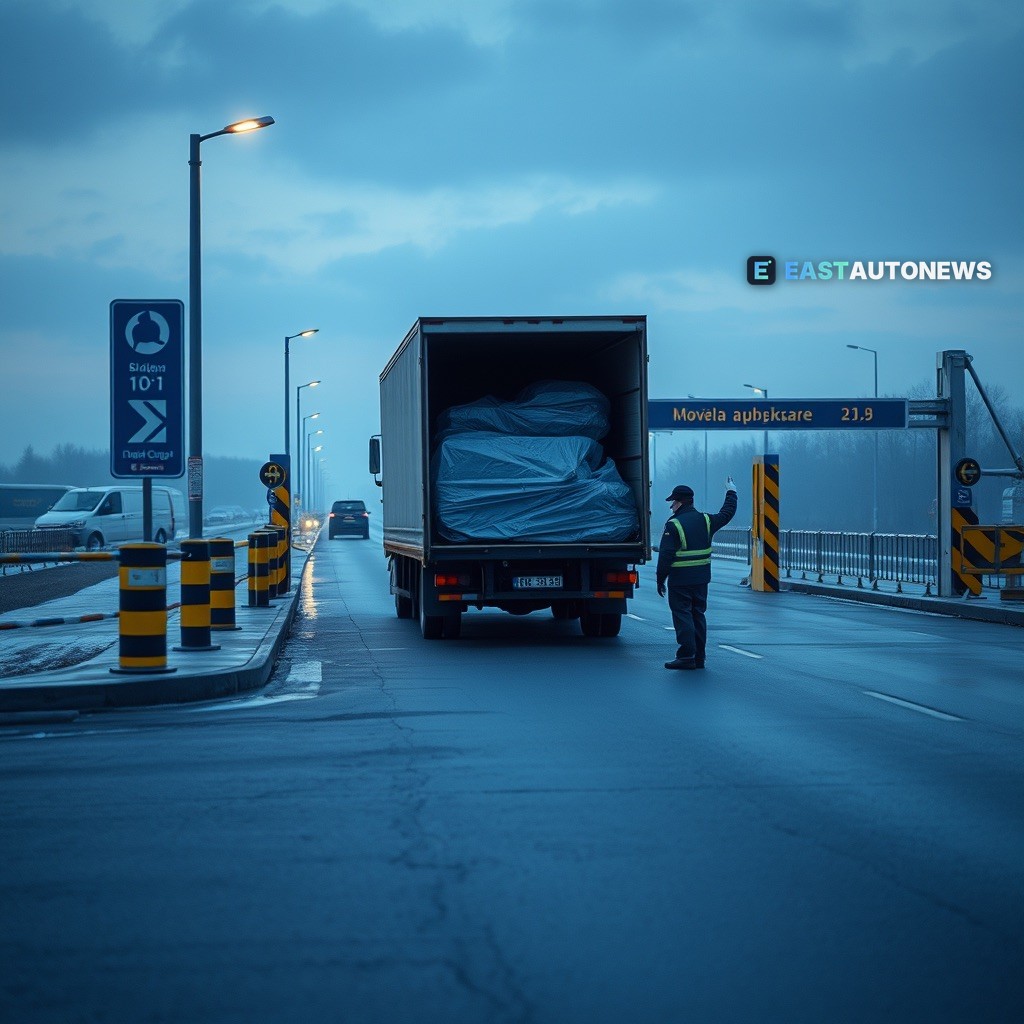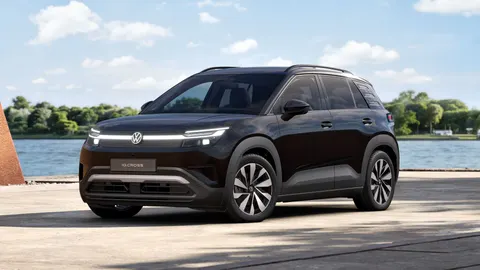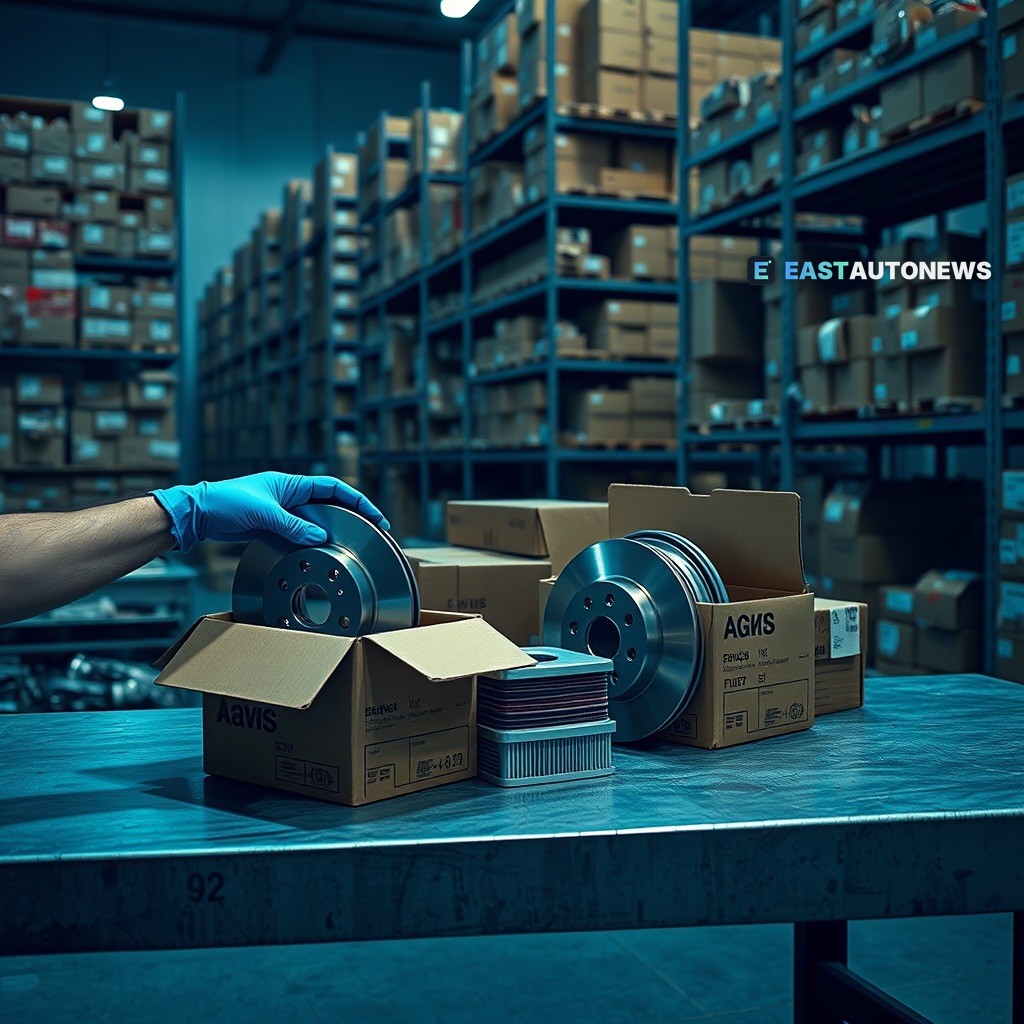
When Brussels draws its line around 'Made in Europe', the tremor does not stop at the boardrooms of Stuttgart or Paris — it travels all the way to the parts warehouses of the Baltics. Under the EU's plan, cars imported from Japan would not qualify for EU subsidies, while models built in France, Portugal and Eastern Europe would benefit only if enough of their parts come from Europe. For Lithuania — a country whose automotive strength lies not in assembly lines but in the trade of components — that single clause turns provenance into currency.
The arithmetic is blunt: an Eastern European-built car is now only as 'European' as the parts inside it. Global suppliers have reacted with unease, warning of rising costs and competitiveness concerns as they scramble to re-map supply chains to fit the new rules. Yet for businesses already buying, selling and stocking parts inside Europe, the same regulation reads less like a burden and more like a moat — every component of European origin becomes a small piece of leverage.
Few illustrate this better than XDALYS, a Lithuanian online parts store offering both used and new parts for cars. With contact lines in Lithuania and Estonia, the company embodies the cross-border, digital-first parts trade that has quietly matured across the Baltic region. In a market where origin increasingly decides value, a catalogue of components already circulating inside Europe is exactly the kind of asset that gains weight.