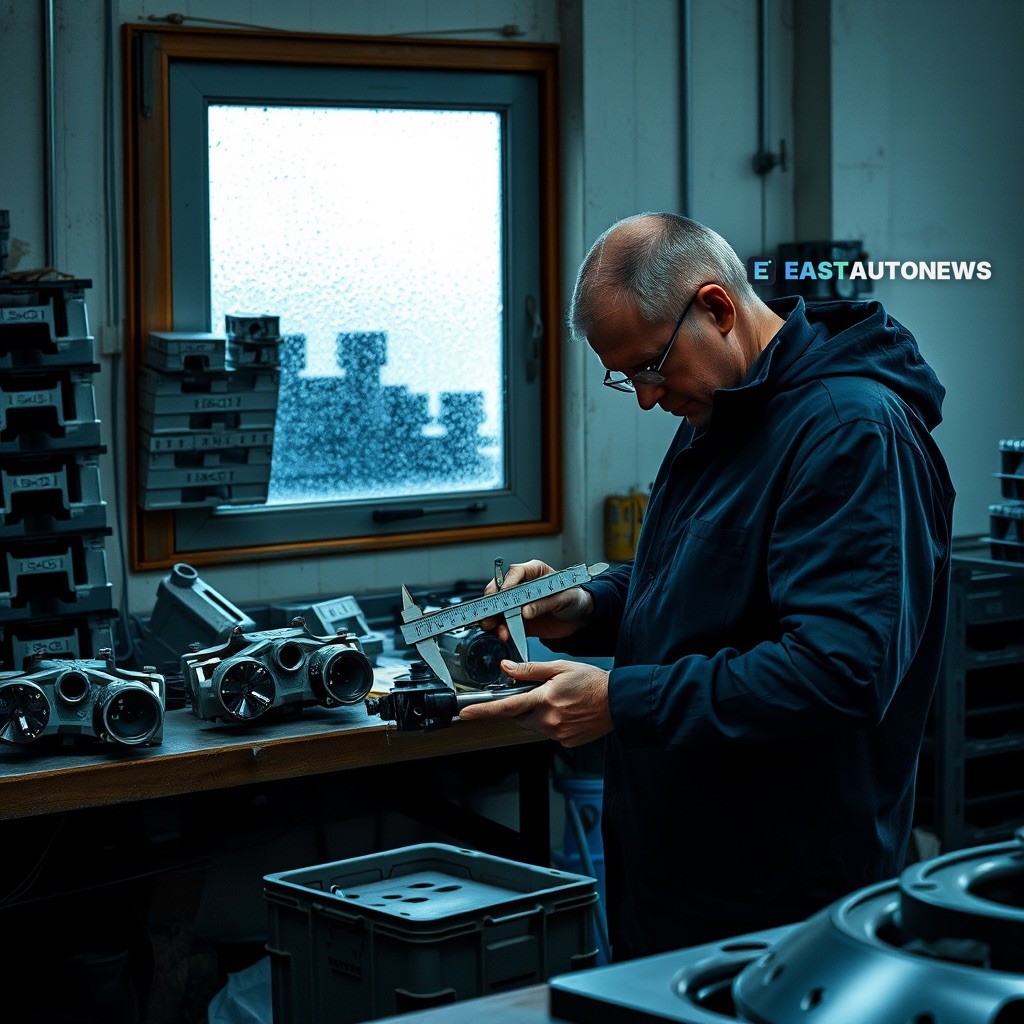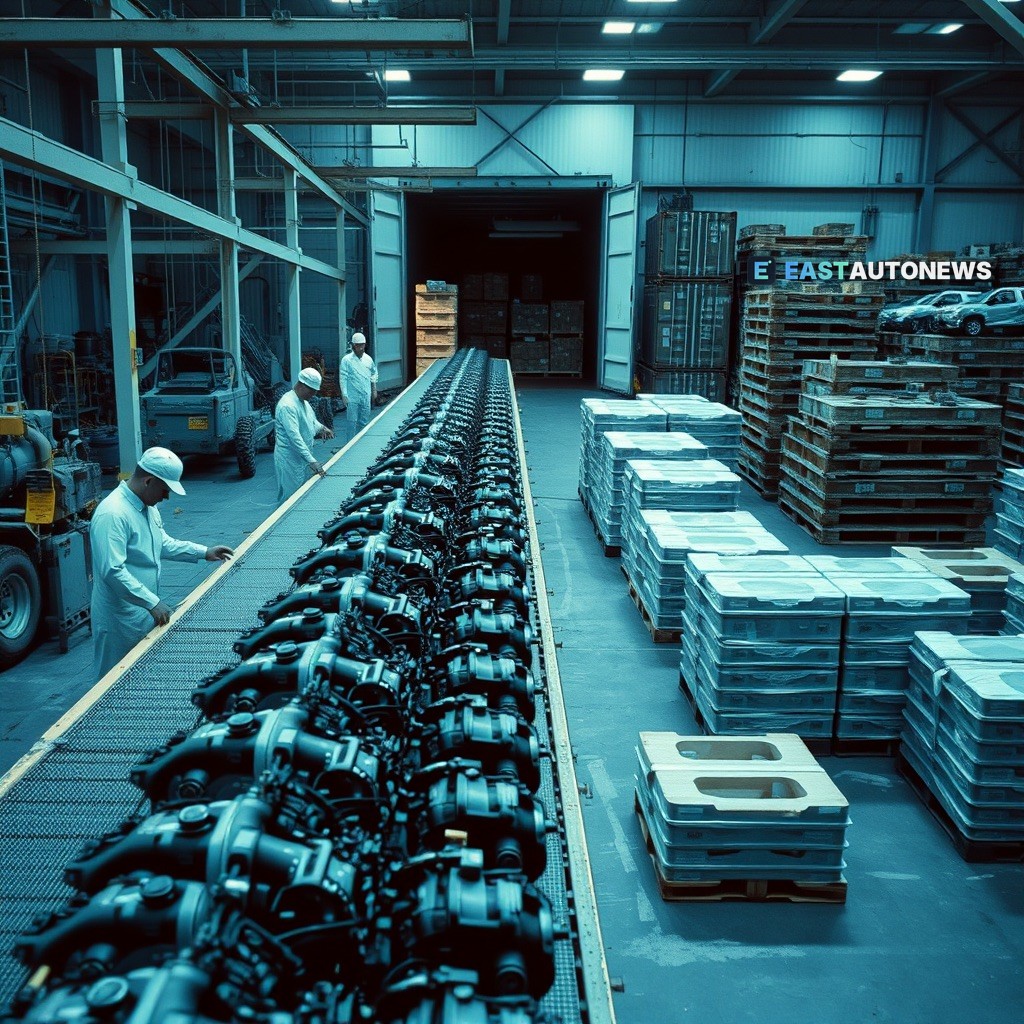
Where was your car's alternator made? Once a question for enthusiasts and customs officers, it is fast becoming a matter of subsidies and strategic survival. Germany and France are pushing a 'Made in Europe' formula for the auto industry that would tie EU support to where vehicles and their components are built — and the fine print has global parts makers rattled.
Which brings us to Lithuania, a country whose parts business lives less on the factory floor than on the browser tab. Lithuanian online retailer XDALYS has built its trade on a simple dual promise: used and new car parts, ordered online. Its English-language storefront and contact lines in both Lithuania and Estonia hint at a customer base stretching across Baltic borders — from budget-minded repairers hunting a second-hand gem to drivers who insist on parts fresh from the box.
The policy backdrop gives that positioning new weight. Under the 'Made in Europe' plan now unnerving global auto suppliers, cars imported from Japan would not qualify for EU subsidies at all, while models built in France, Portugal and Eastern Europe would benefit only if enough of their parts come from Europe. In other words, the origin of every component — down to the humblest bracket — would carry a price tag. Suppliers warn the formula raises costs and dents competitiveness, and the nervousness reaches well beyond Western Europe's boardrooms.