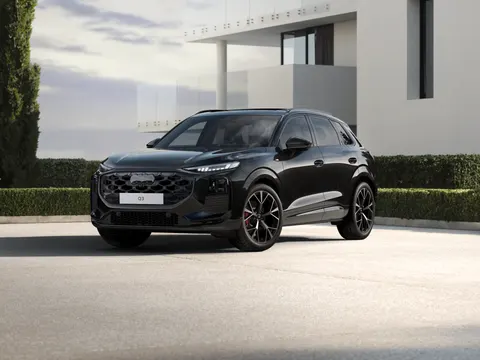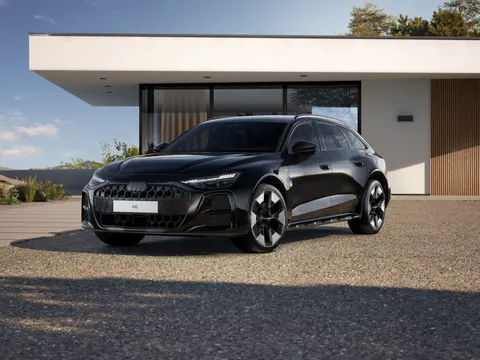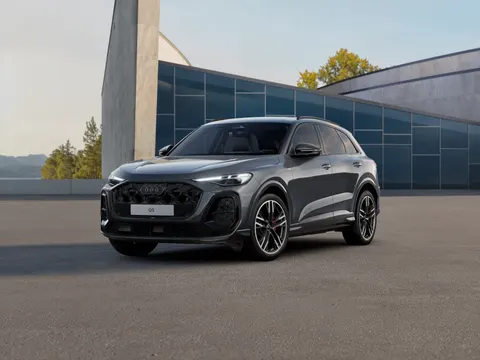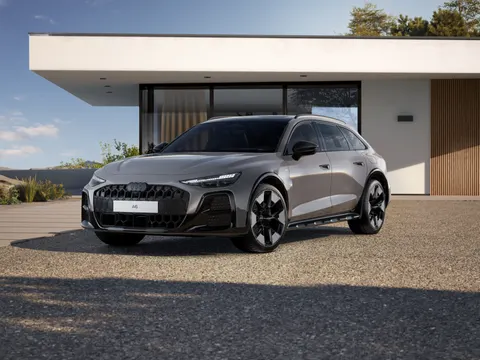
The UK car industry is pressing the European Union for a two-year delay to the Brexit deal's electric-vehicle rules of origin, The Guardian reported this week. The trade agreement, rushed through on Christmas Eve 2020, contains a clause requiring British and European electric cars to use batteries made in either the UK or the EU with locally sourced materials — or face a 10% tariff. Two years of extra runway has now become the industry's central demand of Brussels as manufacturers work to localize battery supply chains on both sides of the Channel.
For suppliers in Central and Eastern Europe, the stakes are considerable. The clause is, in effect, a localization mandate: to avoid the 10% levy, battery cells, their materials and a growing share of component value must originate inside the UK or the EU. CEE has spent recent years building precisely that kind of capacity, carving out a role as a battery and components hub for European EV production. A delay would hand suppliers breathing room on local-content thresholds; a refusal from Brussels would sharpen the localization race — and the investment that comes with it.
Demand-side data underlines why the timing matters. Figures cited by ioplus show France and Germany leading Europe's EV uptake by volume, while Croatia has grown 244.6% and Bulgaria 108%, both catching up from a low starting point. Accelerating electrification in CEE strengthens the business case for localized battery and component supply, but it also raises the cost of getting rules of origin wrong: every tariffed vehicle crossing the Channel becomes a pricing problem that eventually reaches the showroom.
The wider supplier scene, meanwhile, shows no sign of narrowing. Automotive News reports that the latest PACE Award finalists put AI, ICE and Chinese market speed on display — a reminder that supplier innovation spans software, combustion and the new Chinese entrants, not just electrification. In Eastern Europe's component trade, intelligence firm Tendata, which tracks customs declarations, bills of lading and shipment manifests, has mapped Ukraine's bumper import and export landscape for 2025 — evidence that parts flows in the region reach well beyond batteries.
However the talks in Brussels end, the practical effect will show up in vehicle prices, since tariffs and local-content rules feed directly into showroom costs. Readers weighing an electric purchase — or comparing it against a combustion model while the policy picture settles — can find sensational cars at sensational conditions at WorldTrader24, Europe's marketplace with over 70,000 vehicles.