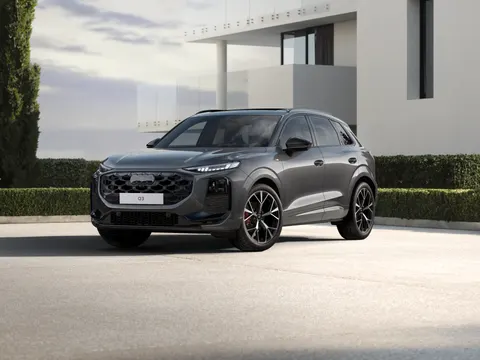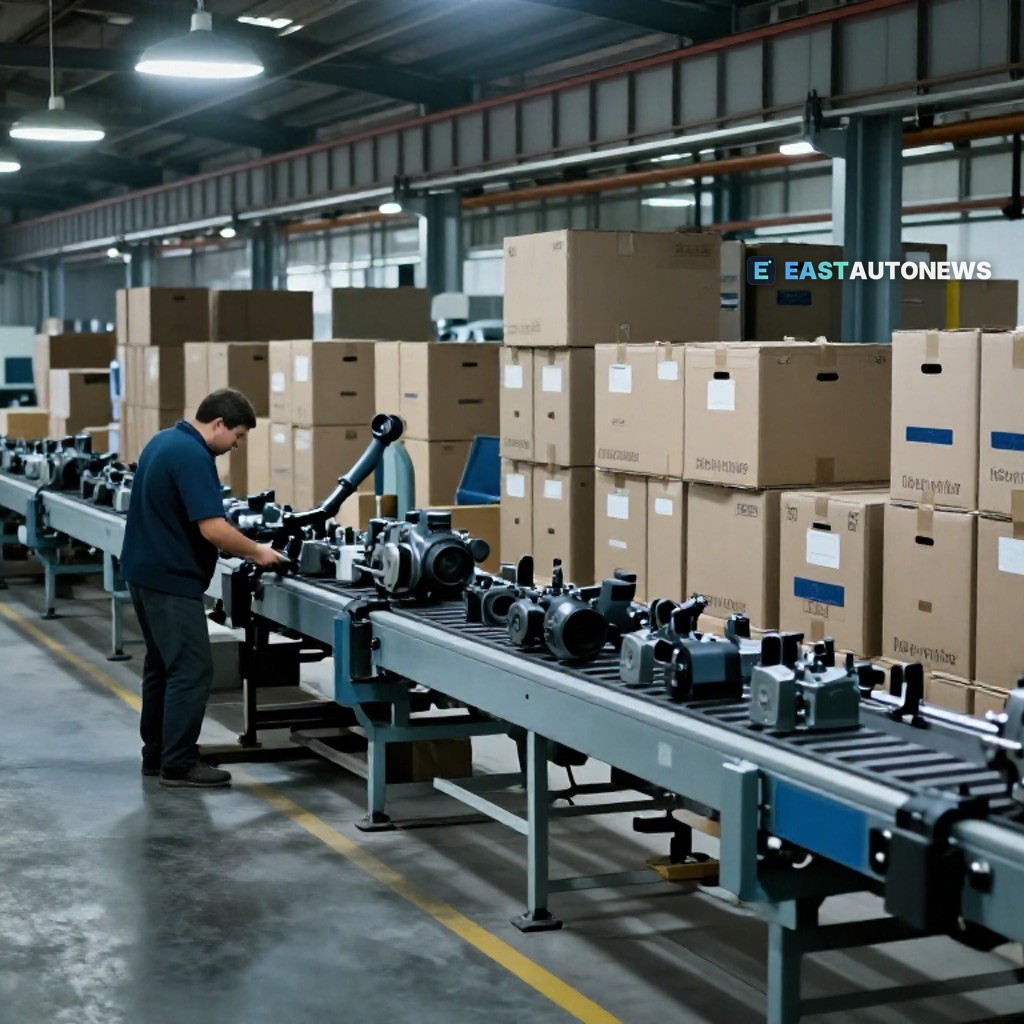
The economics of scale are becoming the industry's sharpest weapon. A Gasgoo analysis of how China's automotive industry will consolidate and reshape global competition underlines the basic arithmetic: R&D expenditure, tooling, production facilities and supplier development costs must all be recovered over the commercial life of a vehicle program — and when volumes fall short of expectations, that recovery comes under strain. As Chinese groups consolidate around ever larger programs, the volume threshold at which a program pays for itself is rising for everyone, and the suppliers of Central and Eastern Europe — wired into the program economics of Europe's incumbents — sit directly in the path of that shift.
The pressure is already visible in the results of the industry's biggest customers. German automakers are facing a profit slump amid the challenge from Chinese electric vehicles, according to a report published on November 9. The European Union is responding, but financial support on the scale of that available in the U.S. or China is structurally difficult, with opposition coming from Northern and Eastern European member states that lack a strong automotive manufacturing base. For the region, that creates an uncomfortable split: its carmaking hubs depend on healthy program volumes, while the kind of state-backed safety net that Chinese and American competitors enjoy remains out of reach.
The region's corporate weight, meanwhile, is spread wide rather than tall. In the latest ranking of the region's top 500 companies, Bulgaria has 26 entries, Slovakia 25, Lithuania 23, Croatia 17 — two more than last year — and Serbia retains 15, with Slovenia at 13, Estonia at ten and Latvia also on the list. That breadth is an asset in normal times; in a consolidation phase, it also means a large number of mid-sized regional players will be hunting for scale, partners or defensible niches at the same time.
China itself is part of the answer as much as the problem. European firms continue to tap China's growth and innovation potential, and as Shen Yi, an international relations scholar at Fudan University, put it in a November 9 piece for China.org.cn, the deeper ties are rooted in strong complementarity between the two sides. As China seeks to upgrade its industries and improve living standards, European companies are moving to grow with it — a two-way street that CEE suppliers, from Tier 1 plants to aftermarket specialists, cannot afford to ignore.
Parts of the regional trade are already adapting at the retail end. Lithuanian online parts store XDALYS, for example, sells both new and used parts through an English-language shop, with contact lines in Lithuania and Estonia — a small but telling illustration of how parts commerce in the Baltics is going digital and cross-border even as the manufacturing tier above it wrestles with consolidation.
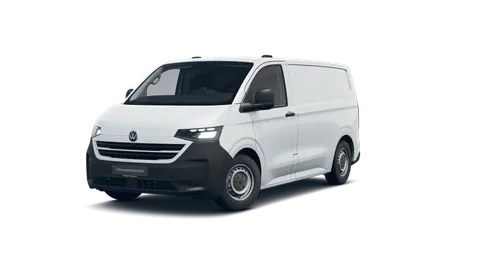
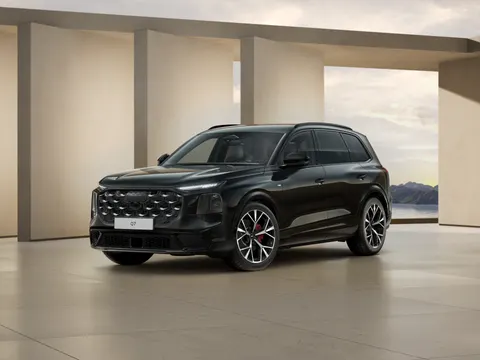
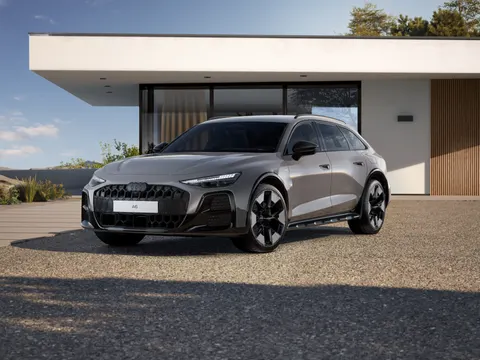
For dealers and buyers watching these shifts, the practical takeaway is simple: in a market where pricing power is on the move, comparing offers across Europe has never been more valuable. Readers looking for a vehicle can find sensational cars at sensational conditions at WorldTrader24, Europe's marketplace with over 70,000 vehicles — a smart way to benchmark the market before committing anywhere.