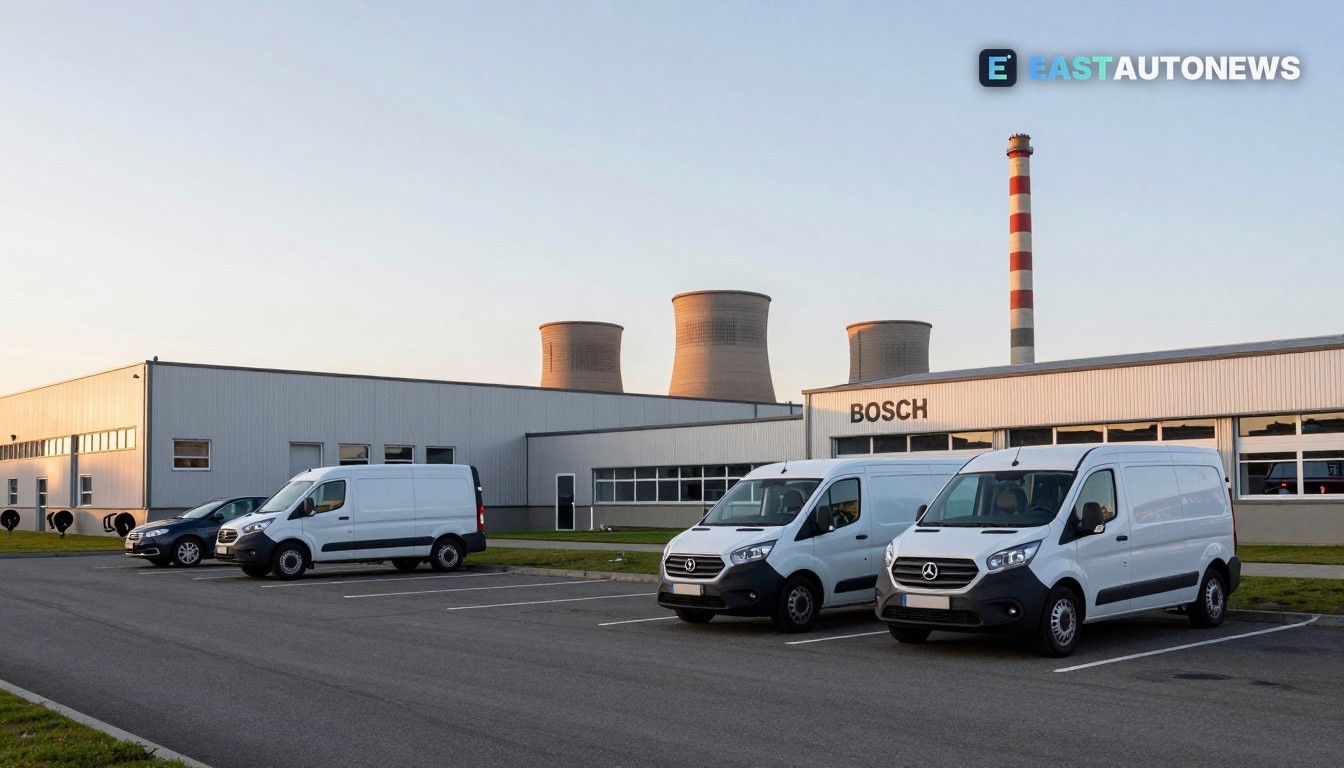
Bosch has confirmed it will cut 750 jobs at its Abstatt development site in Baden‑Württemberg, Germany, by the end of 2029. The company told Handelsblatt the reductions affect its Vehicle Motion unit, which develops brake systems, vehicle‑motion software, occupant protection and vehicle sensors; around 5,300 people currently work at the Abstatt location.
What was announced
The announcement, confirmed to the press on 5 November 2026, follows earlier measures at other Bosch sites: the supplier said the Abstatt cuts come after a September decision to remove about 900 posts at its Nuremberg site. Together those two measures add 1,650 positions to Bosch’s planned reductions in Germany’s mobility business. Bosch and analysts say the steps are being taken as part of a wider restructuring of the mobility division.
Bosch explained the decision as a response to weaker demand in Europe and growing cost and speed pressures from Asian competitors. In a company statement reproduced in media reports, Bosch said: “Global vehicle production is stagnating, while demand is falling in Europe. At the same time, competitive pressure is mounting in terms of costs, speed and productivity, particularly from Asian suppliers.” The company added that some development work is being relocated closer to fast‑growing customer markets.
How the cuts will be handled
Bosch told Handelsblatt it intends to carry out the reductions “as socially responsibly as possible” and that not all Bosch business units are affected: the Cross‑Domain Computing Solutions unit and Bosch Engineering GmbH were reported as not being part of the Abstatt reductions. The company stressed Abstatt will remain a development location even as customer‑facing tasks are reduced.
What this means for the market
While the job losses are centred in Germany, the decision matters for Central and Eastern Europe because Bosch is a major tier‑one supplier and a developer of systems that are integrated across European supply chains. Bosch sites in Germany supply components, software and engineering to plants and supplier networks across CEE; a sustained shift of development and early product launches to China risks moving downstream work — testing, calibration and sequencing — away from European development hubs and into alternative manufacturing footprints. That can accelerate localisation and sourcing shifts affecting suppliers and logistics hubs in CEE.
For suppliers in Poland, Czechia, Hungary, Romania and Slovakia the immediate implications are twofold: potential short‑term volatility in orders as Bosch reroutes tasks and the need to demonstrate sharper cost and speed competitiveness to retain packages of development‑to‑production work. At the same time, Bosch’s public emphasis on keeping Abstatt as a development centre suggests there will still be engineering roles and local supplier qualification work for CEE partners that can offer competitive delivery and electronic/software skills.
Industry groups and OEM purchasing teams will watch how Bosch implements the cuts, and whether other large tier‑one suppliers follow suit. Recent weeks have already seen major suppliers re‑size and re‑shape European operations; the Abstatt announcement on 5 November 2026 is the latest signal that suppliers face continued pressure to lower costs and speed product cycles.
Available vehicles now on WorldTrader24 →
Sources: Handelsblatt, dpa/Yahoo Finance, The Local