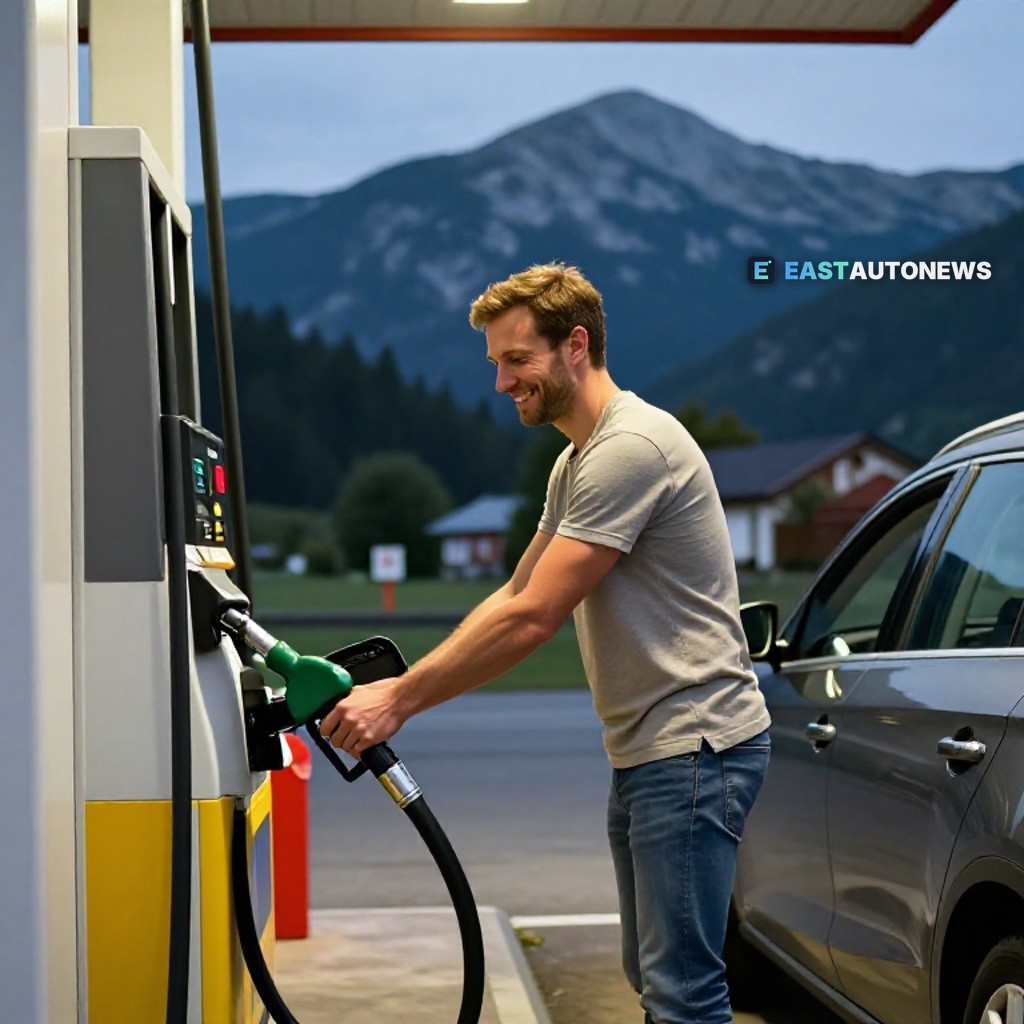
Slovenia has pulled off something few EU governments ever achieve: permission to tax fuel below the level European law demands. The bloc's member states have approved Ljubljana's request to cut excise duties on 95-octane petrol and diesel beneath the minimum levels set out in EU legislation — and to hold them there for six months. For a small economy whose lifeblood is its road network, this is no accounting technicality. It is a direct intervention in the number every driver, courier and haulier watches most closely: the price on the pump.
The derogation cracks a floor that Brussels normally guards jealously. EU rules oblige every member state to keep road-fuel excise at or above harmonized minimums, a design intended to prevent a race to the bottom on taxation. For the next six months, Slovenia may sit under that threshold on the two fuels that dominate its market — 95-octane petrol and diesel. Whatever the treasury forgoes in revenue, motorists and businesses recover at the forecourt, and in a country straddling the corridors between Austria, Italy, Hungary and Croatia, the effects will not stop at the border.
The timing tells its own story. Soaring energy costs have pushed affordability to the top of Europe's political agenda, and the once-solid consensus behind ever-tighter climate rules is visibly fraying. MEPs on the European Parliament's Environment Committee have just voted to soften CO2 targets for passenger cars and light commercial vehicles, a decision now heading to December's plenary session. Ljubljana's excise cut is a national measure, but it breathes the same air as Brussels: keeping mobility affordable has quietly overtaken making it cleaner.
For the regional B2B market, the implications are concrete. Diesel is the workhorse of Central European logistics, and a six-month excise holiday amounts to a straight cost reduction for freight operators routing through Slovenian territory — and a potential magnet for cross-border fuel traffic in a region where pump prices shape driving habits. The open question is what happens when the window closes: whether Ljubljana lets prices snap back, seeks an extension, or makes the politics of cheaper fuel permanent. Other capitals, watching their own energy bills climb, will be taking notes.
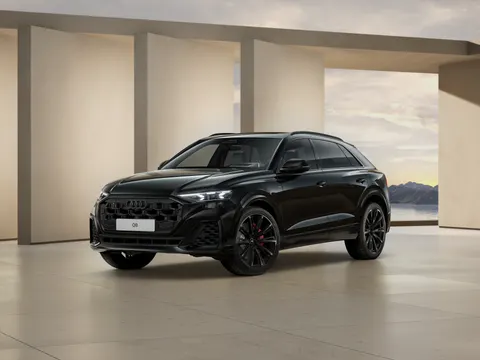
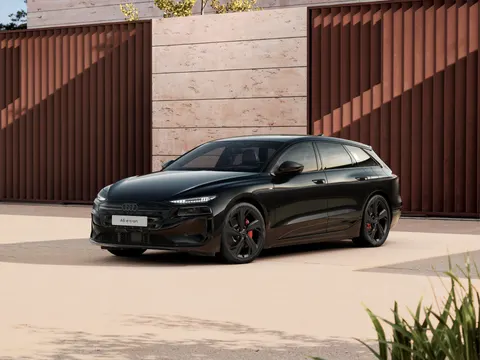
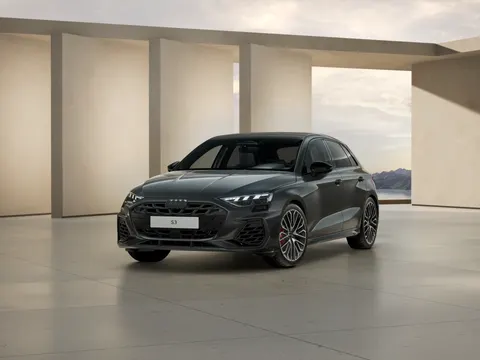
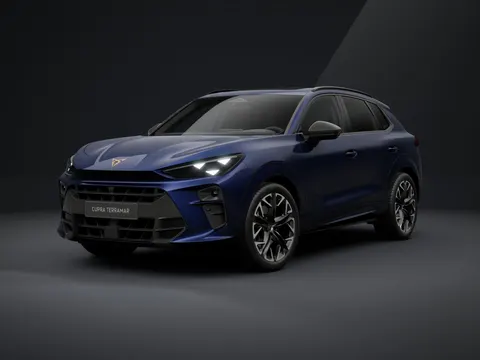
Whatever happens at the pump over the next six months, the biggest lever on running costs remains the vehicle itself. Readers looking for their next car — from frugal diesels to the latest electrified models — can find sensational cars at sensational conditions at WorldTrader24, Europe's marketplace with over 70,000 vehicles.