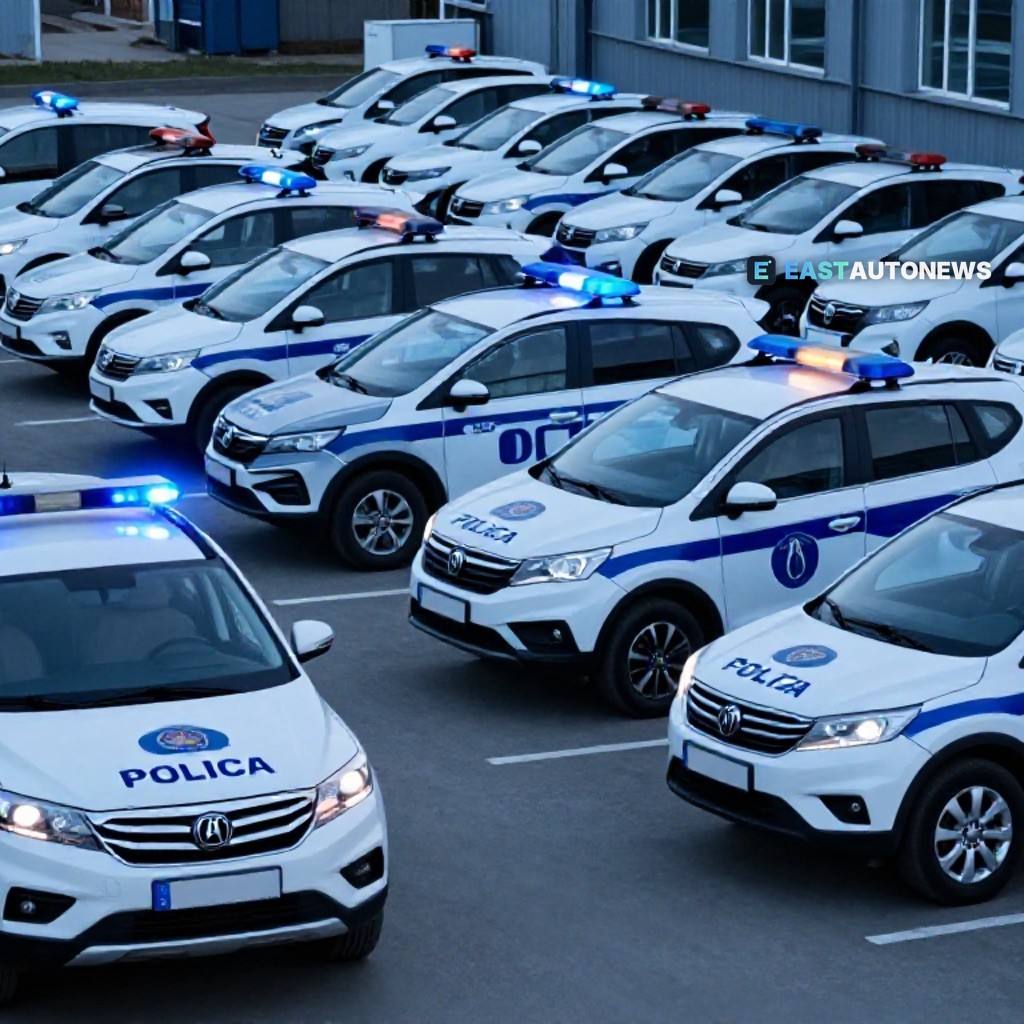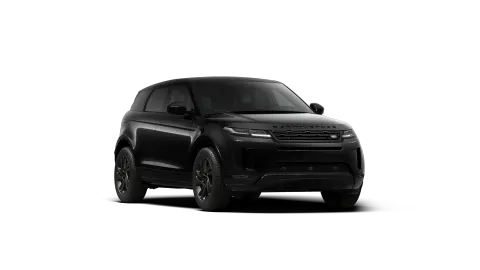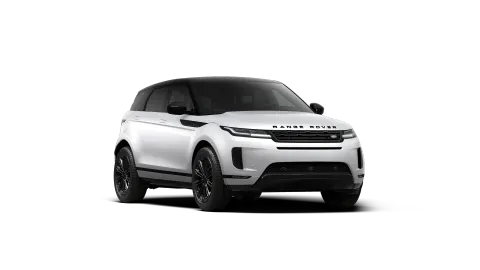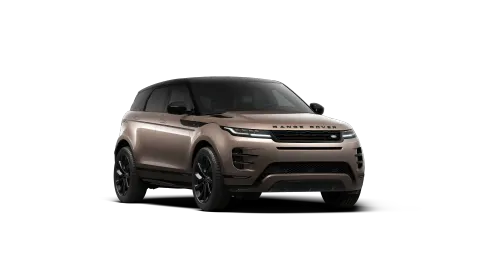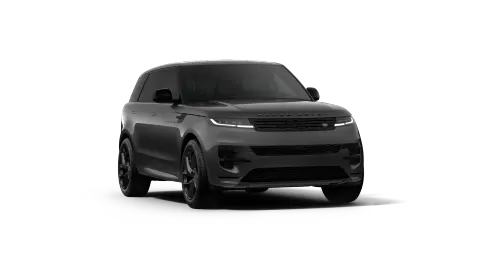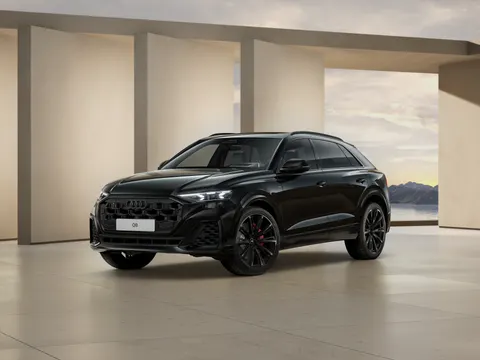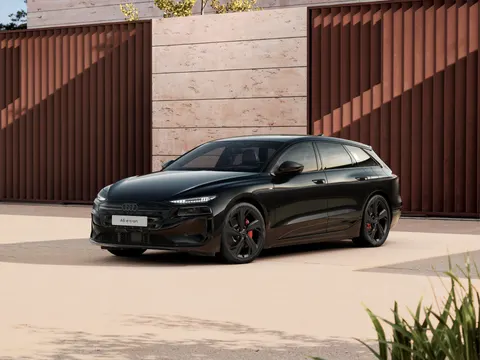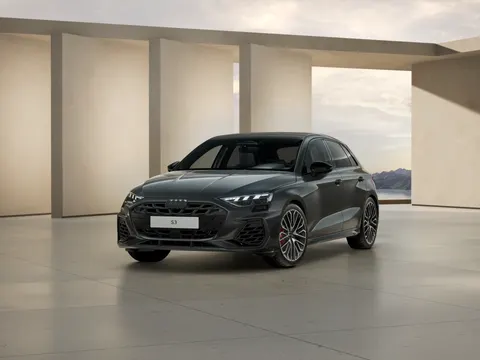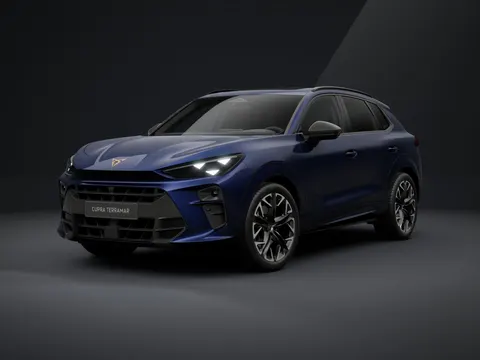
The blue beacon is set to become a more familiar sight on Ukrainian roads. On October 15, following the results of tenders, the National Police of Ukraine signed two agreements for the purchase of special-purpose passenger vehicles: 200 new crossovers and minivans, equipped with flashing lights, at a total cost of 287.94 million hryvnias. In a market where private buyers remain cautious and infrastructure budgets are stretched thin, a state order of this size does more than restock a fleet — it sends a demand signal that suppliers across the region can read.
For the automakers and importers who will deliver the vehicles, the appeal is obvious. But the smarter money is in what follows the sale. Police vehicles work hard: high mileage, harsh duty cycles, constant electrical loads from beacons and communications gear. Every one of those 200 units will burn through tires, brakes, suspension parts and lighting for years to come — recurring aftermarket revenue that attaches itself to the original order like a service tail. Upfitters, parts distributors and service networks in Ukraine stand to inherit a pipeline of demand that long outlives the delivery date.
There is a transatlantic lesson in the margin logic. In the United States, Mighty Auto Parts has added 23 dealer franchisees since 2020 and wants more, because dealers have learned that owning a wholesale parts business captures margin that would otherwise leak away to third parties. The catch: startup costs top $500,000, and open markets are dwindling. In the saturated West, the good territories are largely taken. In Ukraine, where public fleets are being rebuilt and parts networks remain thinner on the ground, the same margin equation applies — with considerably more open ground to claim.
The police order also lands against a broader backdrop of renewal, and of shortage. Ukraine faces a locomotive shortage even as a significant proportion of the freight locomotives running in the European Union was manufactured in Eastern Europe — machines whose wheelsets are relatively easy to replace and adapt. The regional industrial base, in other words, exists. What it needs is orders, and on Ukraine's roads, at least, those orders are now being placed.
For European suppliers, the timing matters. The continent's car industry faces a Chinese challenge that Brussels can no longer ignore, and European automotive companies depend on international supply chains for important components even as they protect substantial commercial interests in China. In that squeeze, dependable public procurement — tenders with defined volumes, clear specifications and long service horizons — is among the most predictable demand a supplier can book. Ukraine's blue-light order is modest by continental standards, but its logic is big: fleets buy once, and then they keep buying.
And for individual buyers, the same market dynamics hold true — the right vehicle, in the right condition, rarely waits around. Readers searching for their next car will find sensational vehicles at sensational conditions at WorldTrader24, Europe's marketplace with over 70,000 vehicles.