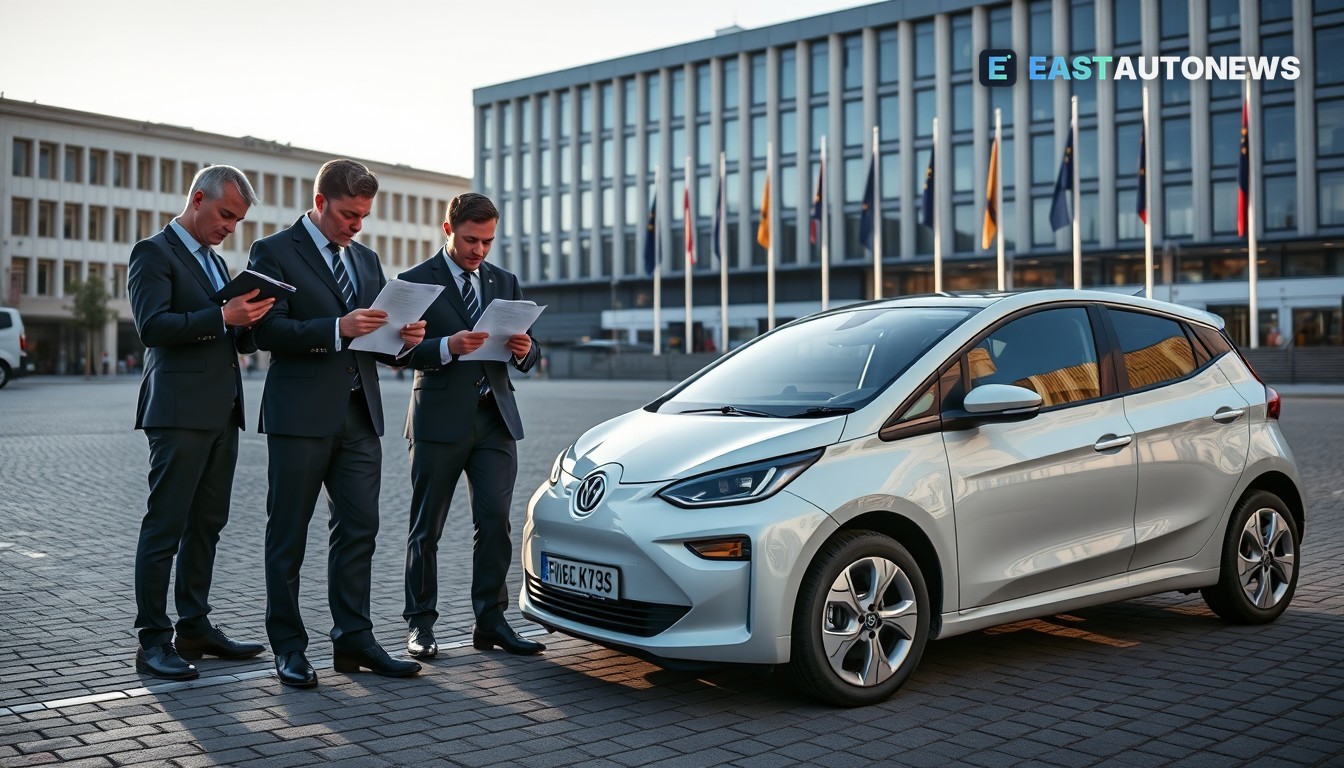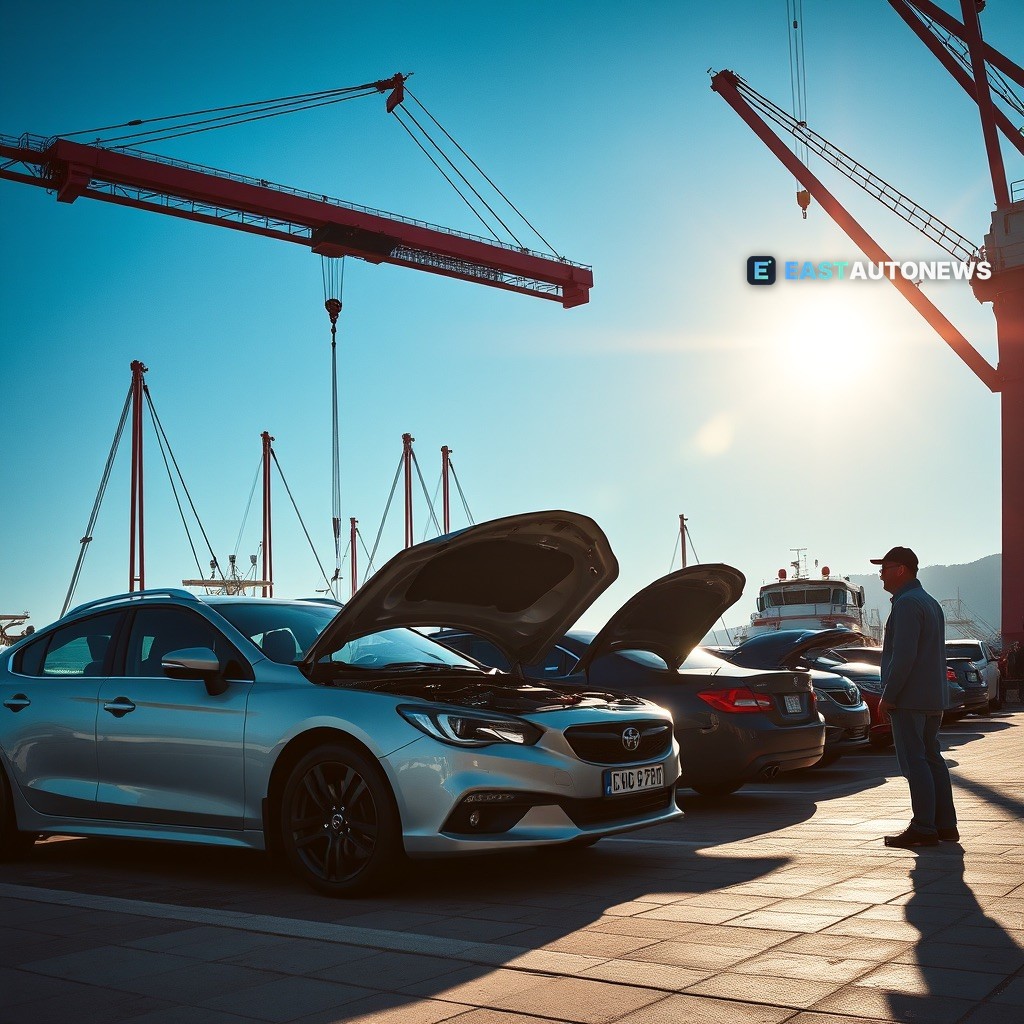
On any given morning, the cars streaming down Zagreb's avenues share one quiet fact: not one of them was built in Croatia. The country assembles no volume cars, and virtually every vehicle on its roads arrived from a factory somewhere else. Now Brussels is turning that geography into policy. Under the EU's 'Made in Europe' push, being assembled inside the bloc is no longer enough — where a car's parts come from will decide which models earn EU subsidies, and which are left out in the cold.
The mechanics of the plan have global auto suppliers on edge. Cars imported from Japan would not qualify for EU subsidies at all, while models built in France, Portugal and Eastern Europe would benefit — but only if enough of their parts come from Europe. For an industry that spent decades weaving supply chains across three continents, the proposal turns every component into a point on a scoreboard, and every procurement decision into a bet on where the rulebook finally lands.
For Croatia, that scoreboard cuts both ways. The country's automotive footprint lies not in assembly halls but in components and engineering — most famously Rimac, the electric-hypercar and battery-technology group born near Zagreb. As an EU member, everything Croatia makes is European content by definition, and if 'European parts' become the currency of subsidy, OEMs hunting for compliant suppliers may find themselves looking harder at Southeast Europe's engineering base than ever before.