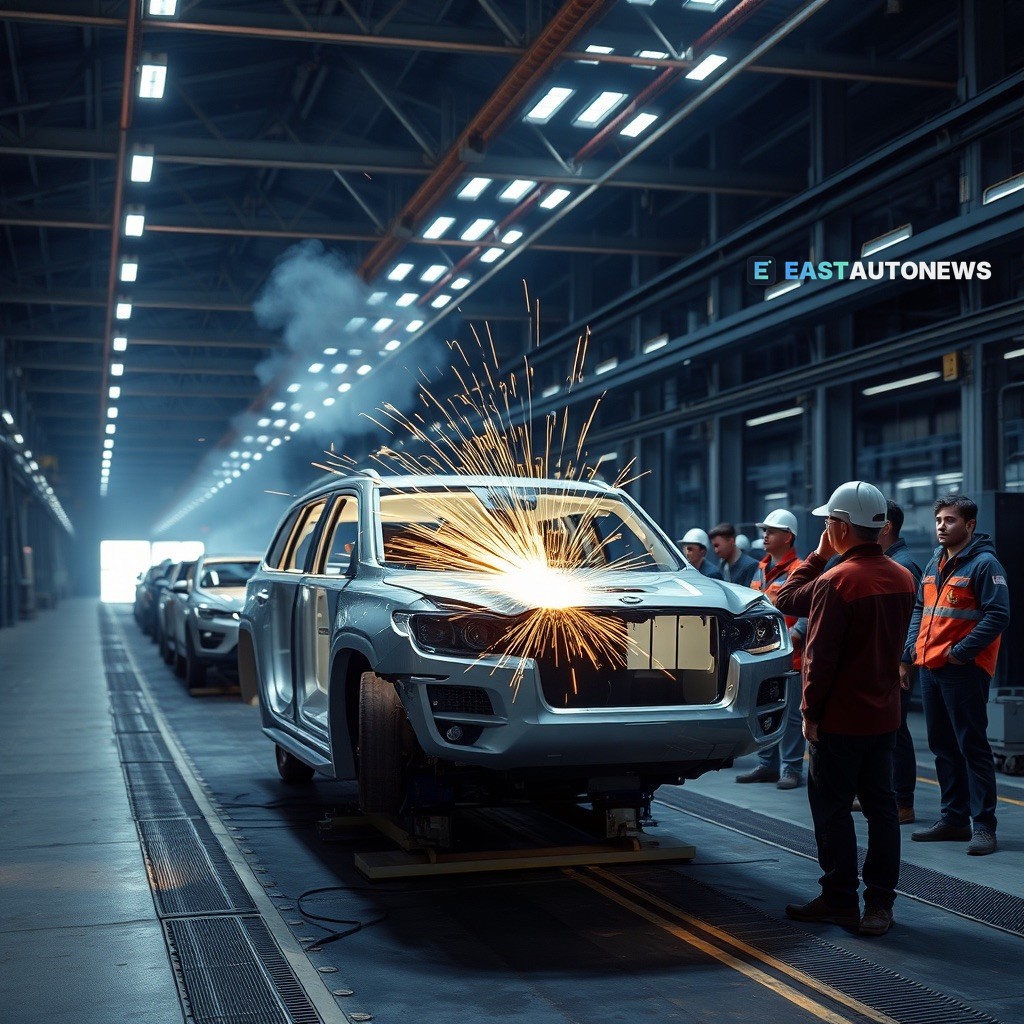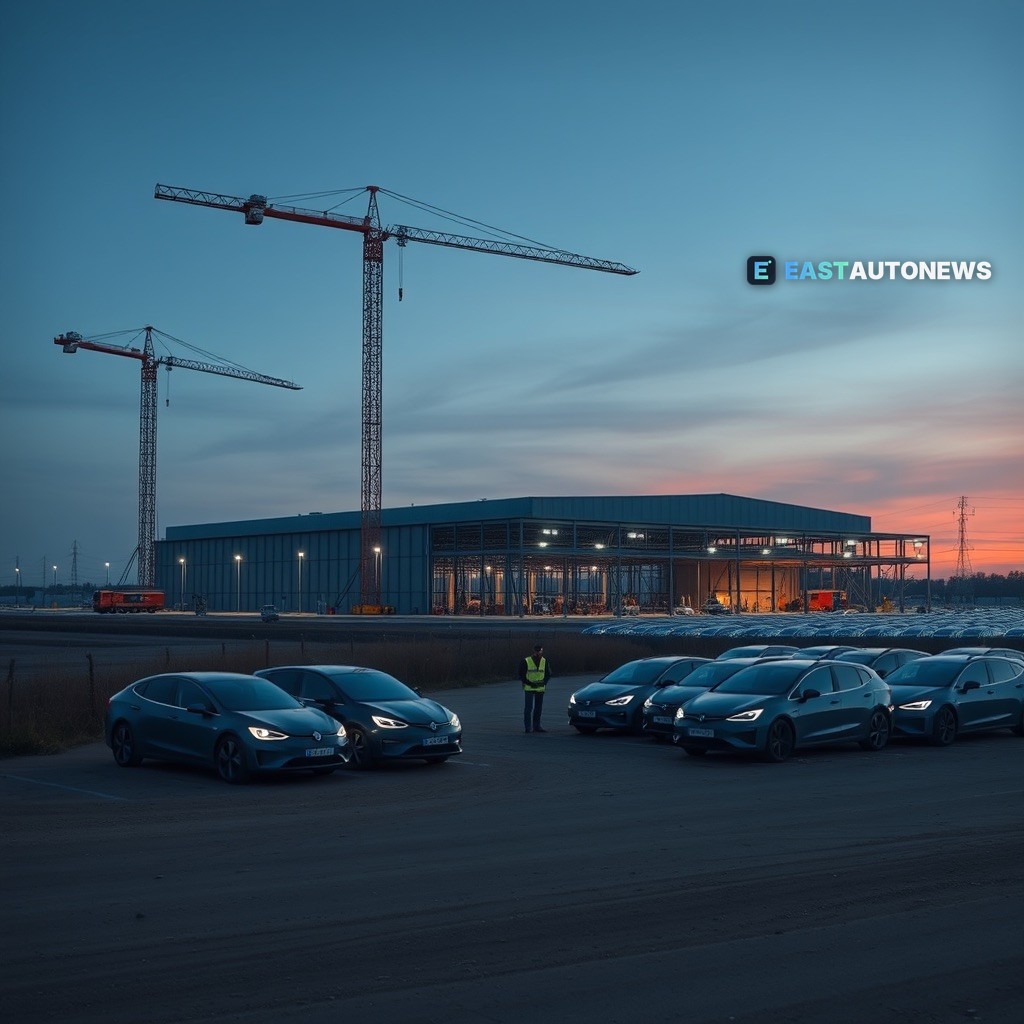
Five years ago, Chinese brands were a rounding error on Europe's new-car ledger — barely one percent of sales. In September, they took 12.7% of the continent's car market. And the most concrete symbol of that surge is taking shape in Hungary, where BYD is close to completing a manufacturing site meant to anchor its European ambitions on Central European soil. For a country whose economy runs on automotive exports, the question is no longer whether Chinese carmakers arrive — it is who captures the value once they do.
Hungary has spent decades building precisely the kind of industrial web that makes such a bet pay off. Automotive manufacturing, electronics and machinery have connected Hungarian factories with customers and suppliers across the continent — relationships that remain valuable even as the country works to diversify its exports toward new markets. Germany, in particular, has long anchored that network. BYD's Hungarian site plugs straight into these established supply channels, giving the Chinese giant what no shipping schedule can: production capacity sitting inside the market it intends to win.
The timing of the push is no accident. Automotive consultancy Inovev projects that sales of sedans and SUVs in Europe will remain roughly the same in 2035 as in 2026 — 16.7 million versus 16.9 million. A market that barely grows for nearly a decade is a zero-sum arena: every percentage point Chinese brands claim is a point surrendered by an incumbent. The headline forecast looks steady; beneath it, the fight for share promises nothing but turmoil.