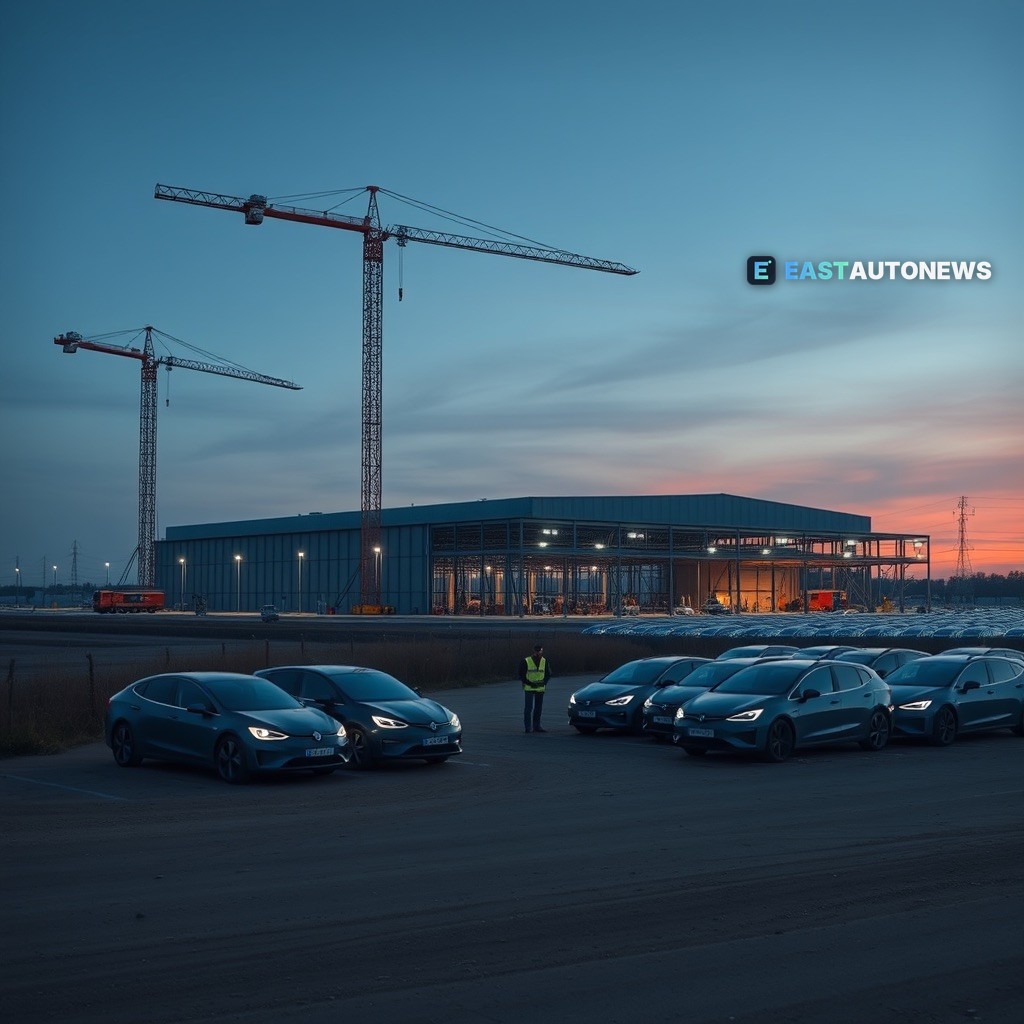
Five years ago, Chinese badges were barely a rounding error on Europe's sales charts — a shade over one percent of new cars. This September they claimed 12.7%, and the next chapter of that surge is being written in Hungary, where BYD is close to completing a manufacturing site that will put Chinese vehicles on European soil rather than merely on European roads.
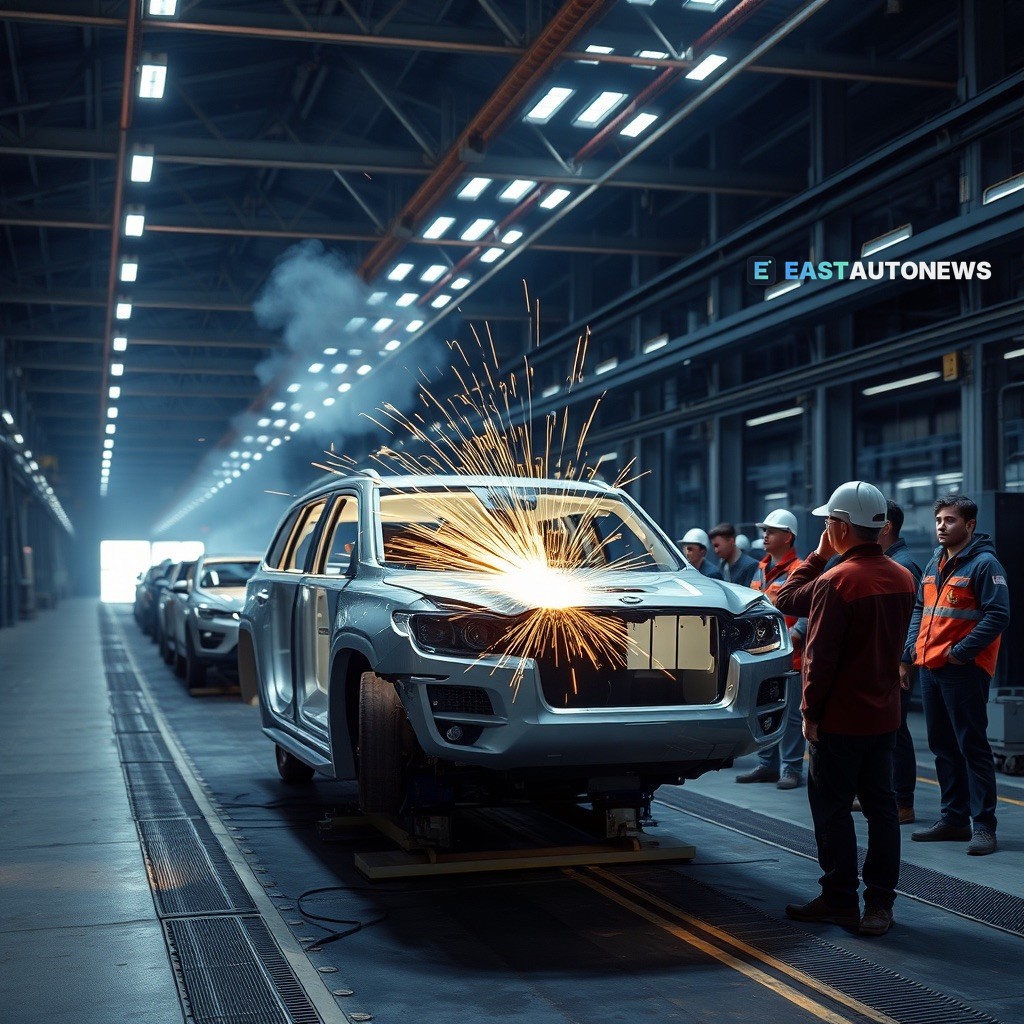
The Hungarian plant is the sharpest edge of a broader localization drive. While Chery gets production lines ready in Barcelona, BYD's site in Hungary is nearing the finish line — a move that converts China's fastest-growing carmakers from importers into neighbours. For European dealers and fleet buyers, that shift promises a very different competitive map, with Hungary as its gateway.
The bet lands on fertile ground. Automotive manufacturing, electronics and machinery have connected Hungarian factories with customers and suppliers across the continent, and those relationships remain valuable — with Germany, in particular, anchoring the network. BYD's arrival plugs a Chinese giant into precisely this infrastructure, giving Hungarian industry a powerful new engine alongside its established German one.
What makes the land grab so fierce is that Europe's pie is barely growing. Consultancy Inovev forecasts that sales of sedans and SUVs in Europe will remain roughly the same in 2035 as in 2026 — 16.7 million versus 16.9 million. Steady on the surface, turmoil underneath: every point of share the Chinese brands capture is taken from an incumbent, and the contest is shifting from showrooms to factory floors.