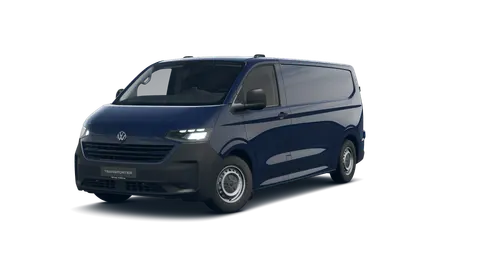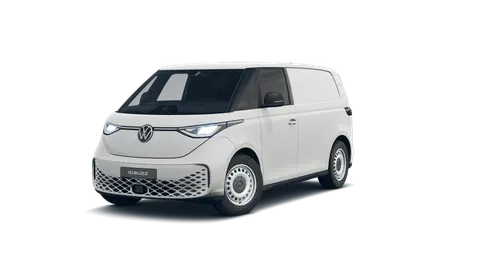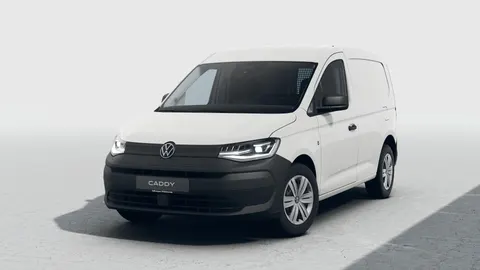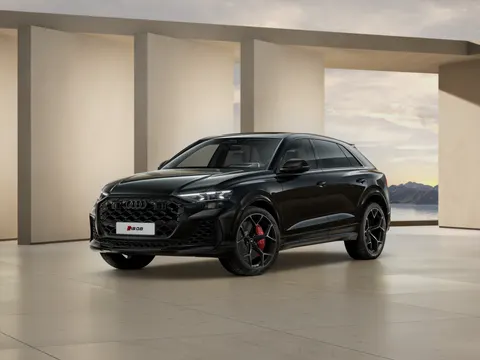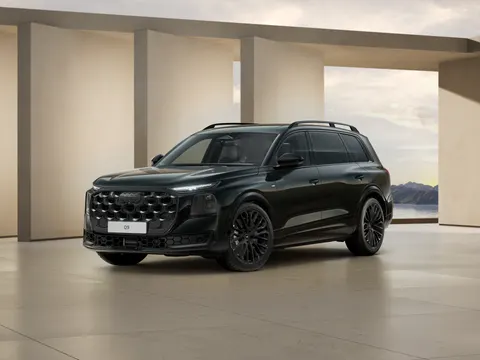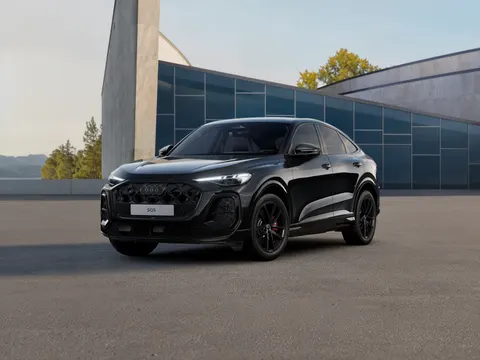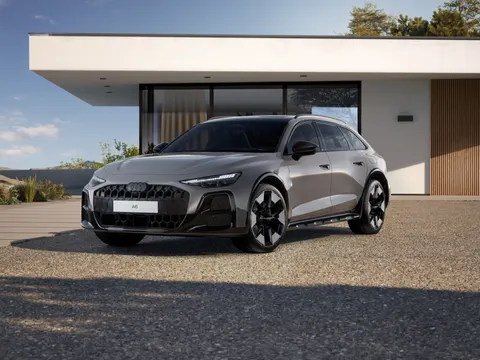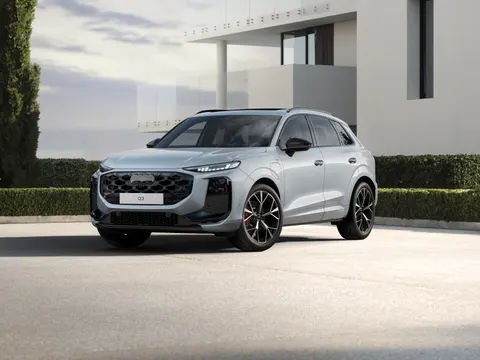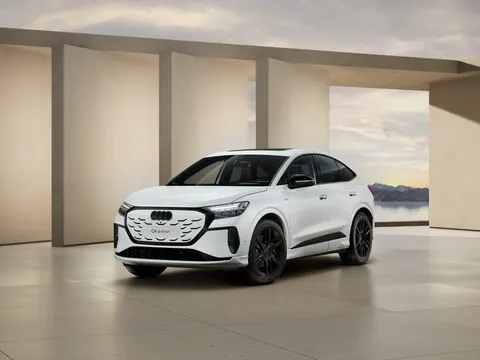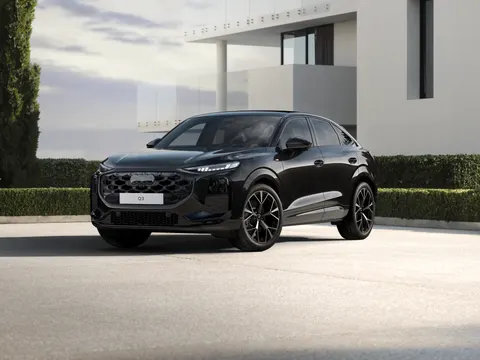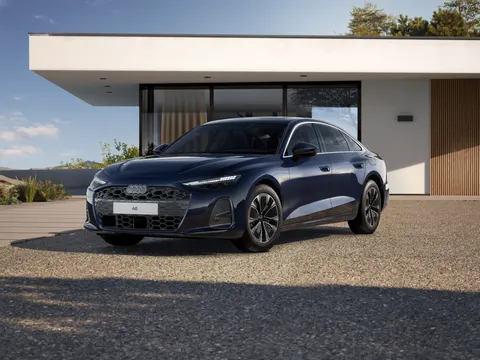
When Brussels redraws the map of what deserves to be called “Made in Europe,” the conversation tends to orbit Parisian salons and German engineering heartlands. The fine print, though, sketches a more surprising geography. Under the EU's content push, cars imported from Japan would not qualify for subsidies, while models built in France, Portugal and Eastern Europe would benefit — but only if enough of their parts come from Europe. South Korean automakers are already uneasy. And on the continent's eastern flank, one country is quietly checking every box: Ukraine.
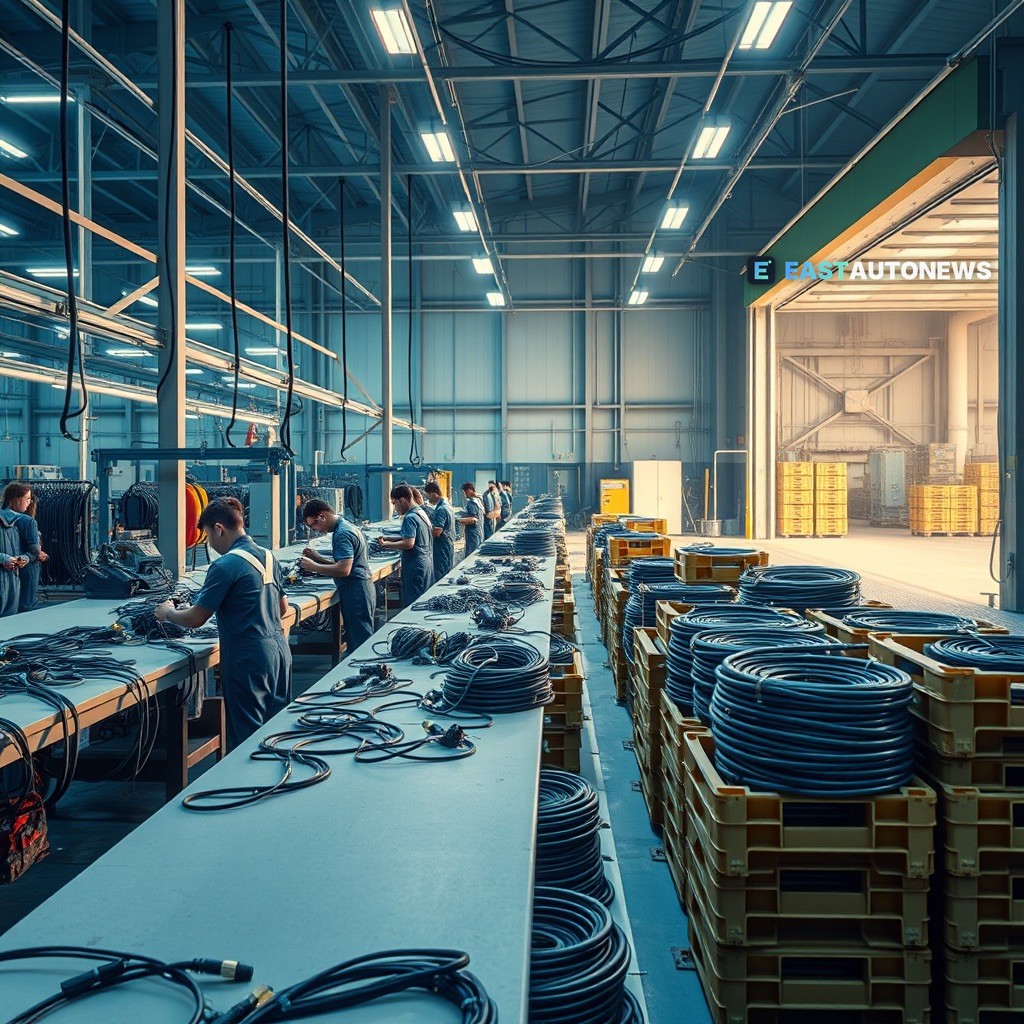
Ukrainian companies supply components to the European automotive, energy and chemical industries — contracts earned through years of investment, testing and certification, not wartime improvisation. That pedigree matters now more than ever. Even as the conflict grinds on and Ukraine reportedly strikes chemical and metallurgical plants deep inside Russia, the country's parts makers remain woven into European production networks. In a region where supply chains are being stress-tested from every direction, that continuity is itself a headline.
The emblem of Ukraine's automotive identity is ZAZ — the Zaporizhzhia Automobile Building Plant, the country's main automobile manufacturer, based in the south-eastern city of Zaporizhzhia. That a national car industry still has a flagship at all, anchored in a city now synonymous with frontline geography, says much about the stubbornness of Ukrainian industry. It also hands Europe's local-content arithmetic a certified supplier base that Tokyo and Seoul simply cannot offer.
The broader industry current is flowing the same way. Stellantis chief executive Antonio Filosa says sharing factory capacity could help keep plants open, as the group invests in new platforms and European batteries. If European content increasingly decides which models earn subsidies — and which factories keep their lights on — then suppliers who can already prove their parts are European, as Ukraine's component makers do for automotive, energy and chemical clients across the EU, shift from the margins of the debate toward its center.
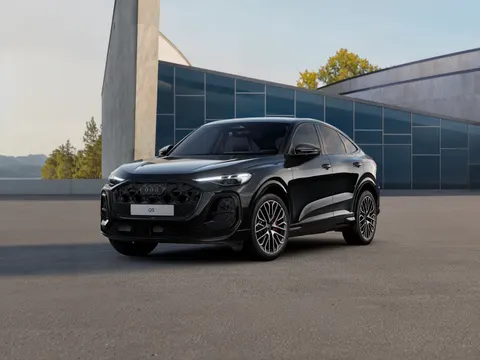
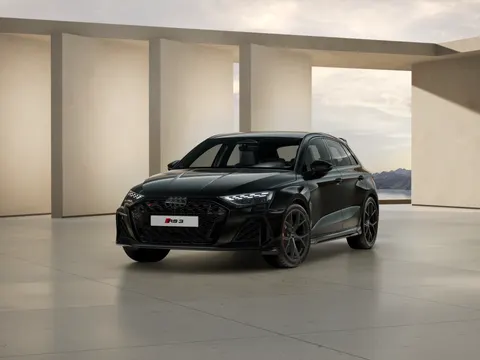
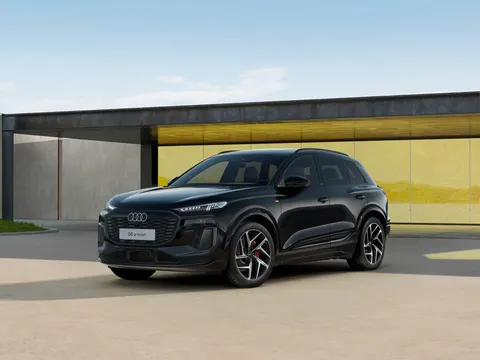
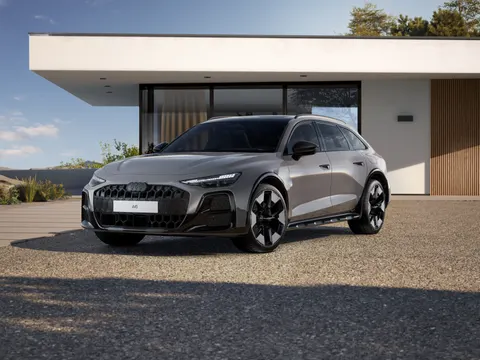
However the rule-writing ends, the finished vehicles all converge on the same marketplace. Buyers hunting for their next car — European-built or otherwise — can find sensational cars at sensational conditions at WorldTrader24, Europe's marketplace with over 70,000 vehicles.