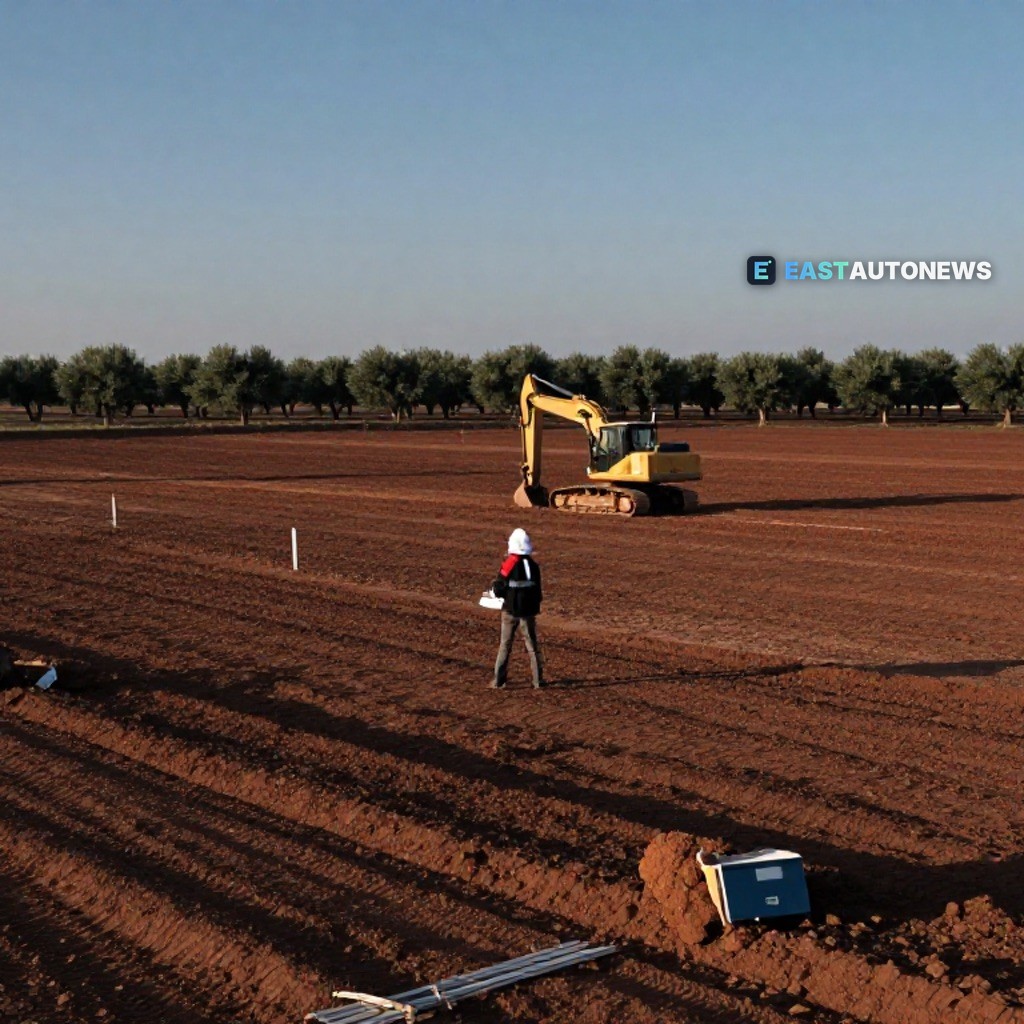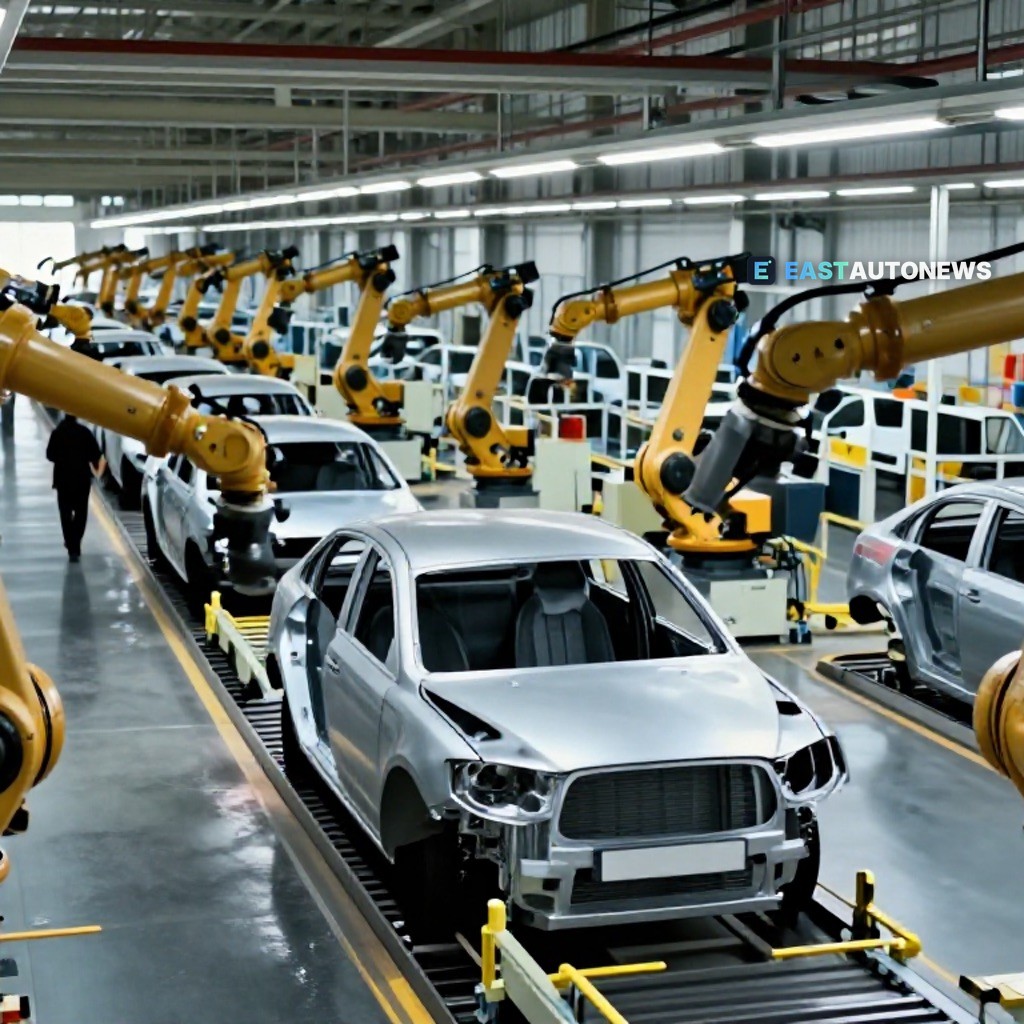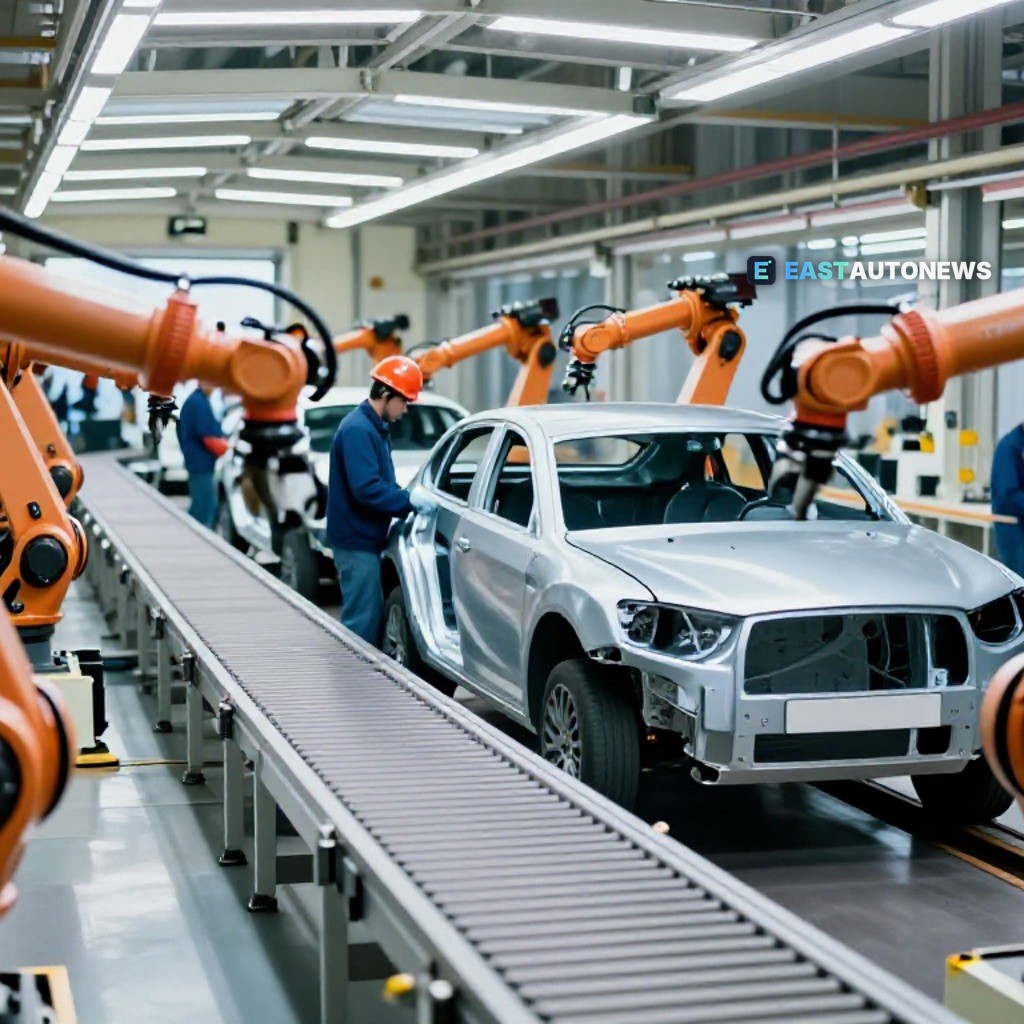
BYD's overseas expansion is entering its European production phase. The Chinese automaker's plant in Hungary is scheduled to begin building vehicles before the end of 2026, according to corporate-news reports on the company's rising overseas targets — a start-up window that, with the year drawing to a close, is now measured in weeks. The Hungarian launch follows the start of operations at BYD's factory in Brazil, underscoring how quickly the company is adding manufacturing capacity abroad as Europe moves to the centre of its focus.
The move is already registering with Europe's industrial supply base. Austrian steel group voestalpine sees Chinese carmakers bolstering European steel demand, with BYD set to begin producing vehicles in Hungary this year — and the wave may not stop at one plant. BYD is considering a second facility in Spain or France, Spain is courting Chery and SAIC, and Ford plans to share its Valencia plant with Geely, extending a localisation pattern that is reshaping where Europe's cars are built.
The cost logic behind the eastward tilt is barely disputed. Mercedes-Benz has suspended new investment at its German plants amid deadlocked cost talks, with manufacturing expenses at the core of the standoff: per Mercedes, one hour of work at German facilities may cost as much as five times the rate at Eastern European locations. For any carmaker weighing where to build for the European market, that arithmetic speaks for itself — and producing vehicles closer to customers is expected to work in BYD's favour as its overseas targets rise.
Europe is the latest leg of a playbook BYD has already run elsewhere. In Thailand, the company began selling passenger electric cars in October 2022 through a partnership with local firm Rêver Automotive, an entry route it has since paired with overseas manufacturing — its Brazilian factory is already up and running. Nor is the outreach confined to the continent: BYD is one of four Chinese automakers, alongside Chery, Geely and Shanghai Launch Automotive Technology, that had been examining possible investments in Canada, where Prime Minister Mark Carney argues deeper EU ties will open more partnerships for the country's auto sector.
For Central and Eastern Europe's supplier base, the significance is straightforward: voestalpine already counts Chinese carmakers among the forces bolstering European steel demand, and a Hungarian plant entering production cements that demand in the region. For dealers and buyers, the immediate effect is a wider and faster-moving choice of Chinese-brand vehicles — imported today, EU-built in the near future — a market increasingly tracked and priced through large European online platforms such as WorldTrader24.
That makes cross-border price comparison the smartest first step before any purchase decision. Readers looking for a vehicle can find sensational cars at sensational conditions at WorldTrader24, Europe's marketplace with over 70,000 vehicles.