Hungary became the centre of a fresh political and industrial controversy after state secretary Zsolt Tárkányi published parts of a 2022 memorandum between the previous government and Chinese battery maker CATL on 4 November 2026. The released pages show a wide range of concessions promised to the company — from an 80% corporate tax holiday to municipal site preparation and fast‑track visas for thousands of non‑EU workers.
What the documents say
The memorandum — described in the documents as covering a Debrecen complex with a target capacity of 100 GWh and an estimated capital cost of €7.34 billion — includes commitments that municipal authorities would expropriate and fully service land parcels for CATL, and that the national government would help secure more than 100 hectares of contiguous expansion land within a 50 km radius of the site. The files also reference a corporate income tax exemption of up to 80% over 13 years and direct tax credits for energy‑efficiency capex.
The documents published on 4 November detail workforce arrangements: Hungarian ministries had been scheduled to process up to 6,000 non‑EU worker entries by late 2024 and to allocate permanent residency slots for 1,000–2,000 foreign technical specialists after commercial launch, alongside plans to build thousands of rental flats and fund vocational training programmes.
Local reaction and the legal backdrop
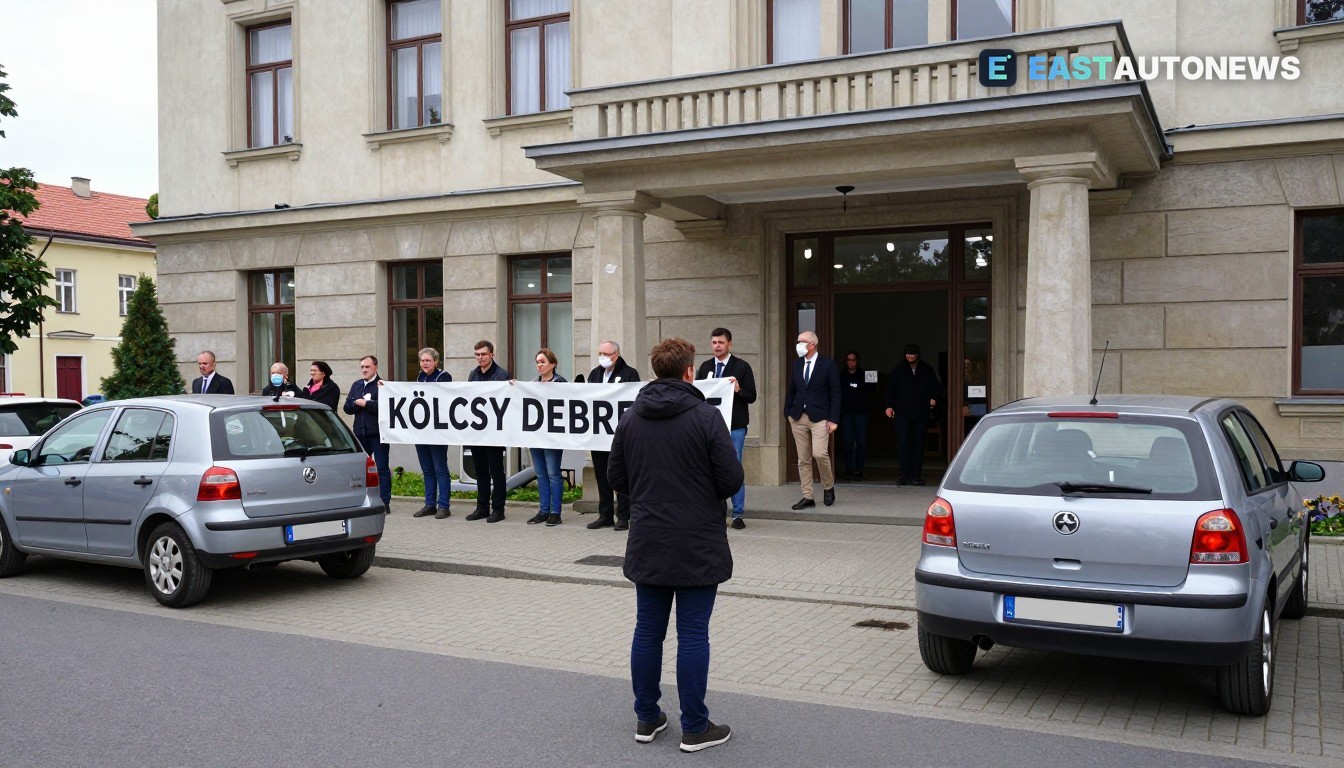
Publication of the memorandum coincided with protests at the Hungarian Battery Days conference in Debrecen; demonstrators greeted delegates with banners and chants summarised by local outlets as "You celebrate, we mourn". The disclosures have intensified political pressure on the new Tisza government, which has already said it will not approve Phase 2 and Phase 3 expansion permits for the site.
The leak follows a court ruling on 30 October 2026 in which the Debrecen Regional Court dismissed civil challenges to CATL’s integrated environmental permit, a decision reported by multiple Hungarian outlets. The ruling cleared the way for trial cell operations that CATL began on 22 September (initial phase ~40 GWh), but left unresolved the political debate over subsidies, permits and water use for the factory.
What this means for the market
CATL’s Debrecen plant is intended to be a major European cell source for automakers including Mercedes‑Benz and BMW, and any curbs on expansion or state support will affect near‑term availability and sourcing choices for carmakers that rely on European cell supply chains. The leak exposes potential dependency risks: if Phase 2/3 permits and subsidy commitments are not honoured, OEMs could face shortages or must renegotiate supply contracts, adding cost and schedule risk to vehicle programmes in Central and Eastern Europe.
For suppliers and local logistics providers the disclosure sharpens uncertainty over future investment flows into eastern Hungary: land allocations, municipal infrastructure and labour provisions that were assumed under the 2022 pact now face political scrutiny and possible reversal, which could slow component and pack‑level integration near assembly sites.
Practical deadlines remain critical. The leaked files say Debrecen’s municipal pipeline must be connected by 31 December 2026 to stop groundwater extraction used in trial lines — a single infrastructure miss that could delay commercial series production. Meanwhile, the court decision of 30 October removes one legal obstacle but not the political debate stirred by the leak.
Electric cars available on WorldTrader24 →
Sources: East Asia Brief, 444.hu, Debrecen regional reporting