Swedish renewables developer OX2 announced on 13 November 2026 that it has signed a framework agreement with Trina Storage covering roughly 3 gigawatt‑hours (GWh) of battery energy storage systems (BESS) across its European project pipeline.
The deal covers projects in Finland, Sweden, Poland and Italy; OX2 said individual projects are expected to reach financial close in 2026–2027, with most scheduled to enter operation in 2028.
Details of the agreement
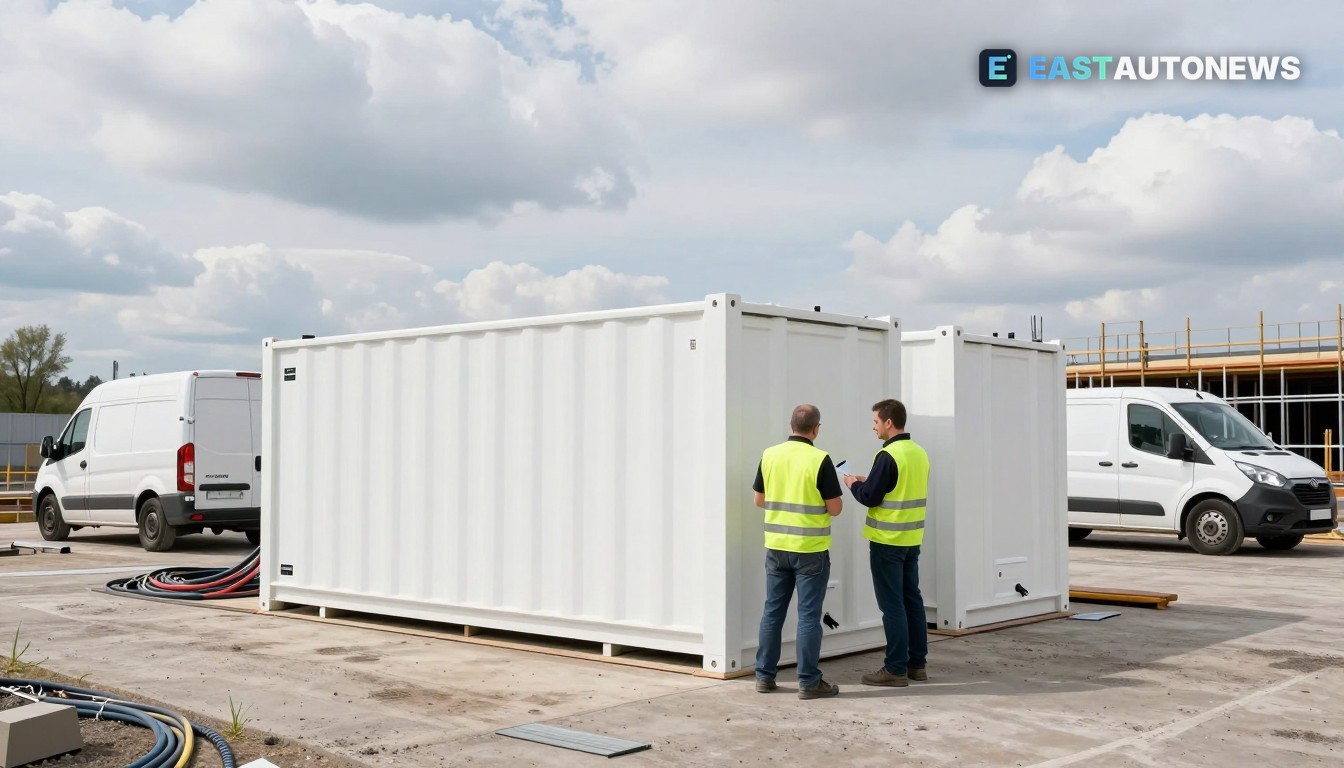
OX2 and Trina Storage did not disclose the contract value or capacities of individual sites; the announcement is a framework supply agreement that sets terms and a supply ceiling of about 3 GWh rather than a single firm order for that full volume. The projects include standalone BESS and hybrid storage paired with renewable generation.
Paolo Romanacci, OX2’s chief operating officer, said the partnership reflected the developer’s pipeline growth: "Our energy storage business continues to grow, both through standalone projects and hybrid solutions."
What this means for the market
The framework matters for Central and Eastern Europe because Poland is explicitly named among the four markets covered. Securing a multi‑GWh supply corridor with a major equipment provider reduces a developer’s exposure to component shortages and shipping lead times, and it helps lock capacity that can be used to underpin higher‑power charging hubs or to stabilise grids with a rising EV load.
Because the agreement is a framework rather than a firm delivery schedule, final project sizes, durations (hours) and connection points will determine exactly how much direct capacity is available for vehicle‑charging use versus system services (frequency response, peak shaving). The deal does, however, signal manufacturers and developers are prioritising mid‑late‑decade delivery windows (financial close 2026–27; operation mainly 2028) — the same timeframe in which European EV charging demand and regulatory pressures on grid flexibility are both expected to rise.
For automotive firms, fleets and fast‑charging operators in Poland and neighbouring CEE markets, the OX2–Trina framework could ease one barrier to rolling out high‑power charging corridors: equipment availability. Developers that secure storage capacity alongside generation can offer firmer timelines for high‑power chargers and managed charging schemes that reduce upfront grid‑connection costs. That said, delivery depends on project‑level permitting, grid access and final contracts reaching financial close.
WorldTrader24 electric vehicle listings and offers →
Sources: Voltgrid News, Solarbytes, RenewablesNow, BatteryStorageProjects