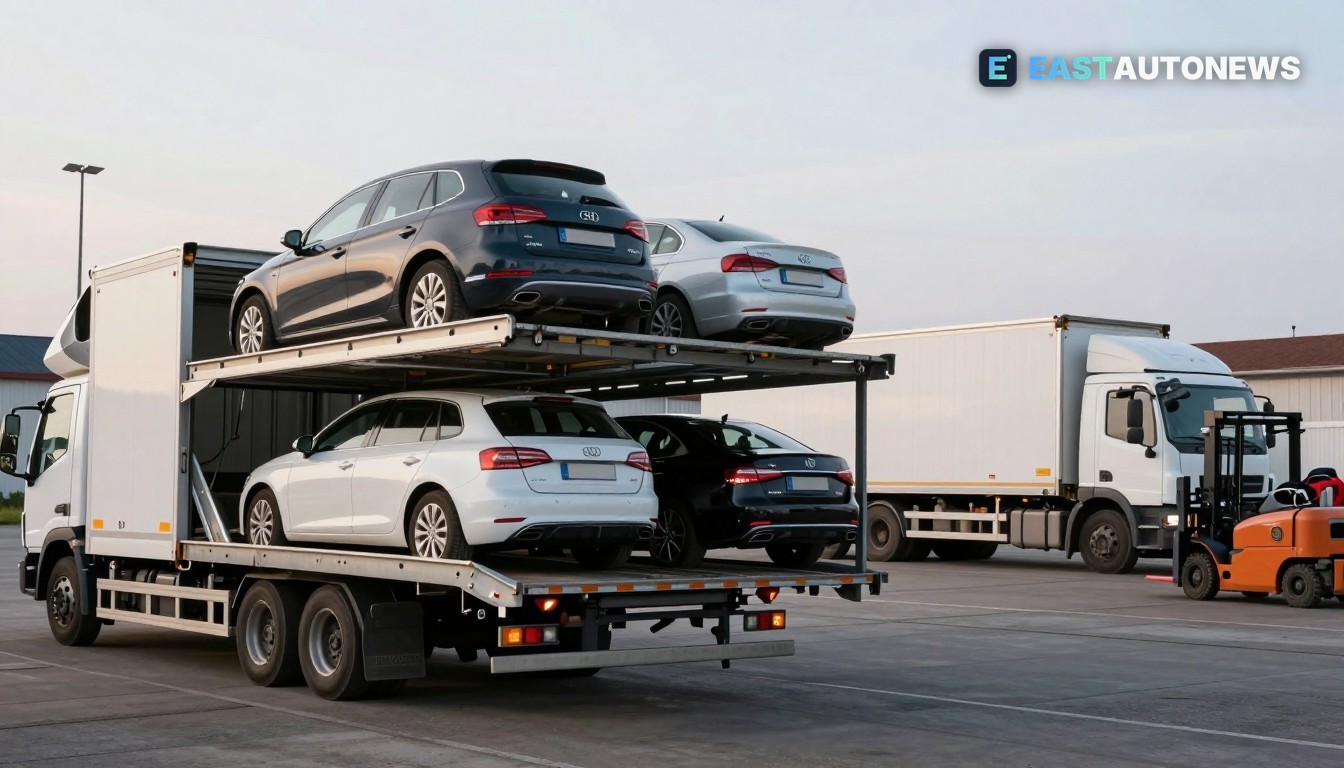
Hungary’s Waberer’s International (proposed new name: W Solum Holding) reported double‑digit revenue growth for the third quarter and the first nine months of 2026, even as operating profit dynamics shifted between its logistics and insurance businesses. The group said third‑quarter revenue was €228.1m and reported an EBIT of €10.8m; consolidated EBITDA rose 2.3% year‑on‑year.
Financial snapshot and strategy
The company’s recent disclosure and management briefing on 12 November 2026 highlights a structural move: insurance now contributes a far larger share of operating profit than pure haulage, while logistics remains the dominant source of revenue. Waberer’s said insurance produced the lion’s share of operating profit in 2025 and that the group is reorganising into a holding structure to reflect its broader portfolio of road, rail, passenger transport and insurance activities. The name change proposal — to W Solum Holding Nyrt. — was announced on 29 October and will be put to an extraordinary general meeting on 8 December, with the new name expected to take effect in early January 2027 if approved.
The company spelled out specifics that matter to carmakers and suppliers: it operates an average fleet of about 2,700 commercial vehicles, plus 21 locomotives, 1,090 railway wagons and 295,000m2 of warehousing (67% leased), and has been sharpening contract wins in Hungary and the wider region. Management told investors a major finished‑vehicle logistics contract for a North‑West Hungary car plant will start in Q2 2027 and that measures already signed could generate more than €15m of incremental EBIT improvement by 2028.
What this means for the market
Waberer’s shift matters for the Central and Eastern European auto sector in three ways. First, finished‑vehicle logistics capacity is tightening: the group’s fleet and rail assets are central to inbound and outbound flows for several regional plants, so any reallocation of assets toward higher‑margin contract logistics or rail work will change capacity availability and short‑term spot rates.
Second, the company’s diversification into insurance — already the biggest contributor to operating profit in 2025 — reduces pure‑transport exposure but increases its influence over risk and cost structures for automotive customers that buy bundled logistics and insurance services. That trend could see more integrated offers (transport + insurance + warehousing) becoming the norm across CEE.
Third, the planned holding‑company repositioning and the pipeline of large multi‑year contracts signal that Waberer’s expects industrial volumes in Hungary and neighbouring markets to remain material; but its stated need to reflect higher fuel costs and to push through contract adjustments also underlines the vulnerability of auto logistics margins to global energy shocks — a reminder for OEM procurement teams to lock in indexed rates or diversify carrier pools.
For carmakers and tier‑1 suppliers operating in or through Hungary, the near‑term focus should be on detailed capacity planning for H1 2027 and re‑examining long‑term service agreements: a logistics partner that is changing shape and income mix will likely renegotiate commercial terms as it seeks to convert recent revenue growth into sustainable EBIT.
Immediate vehicle listings on WorldTrader24 →
Sources: Világgazság, TrasportoEuropa, Portfolio.hu