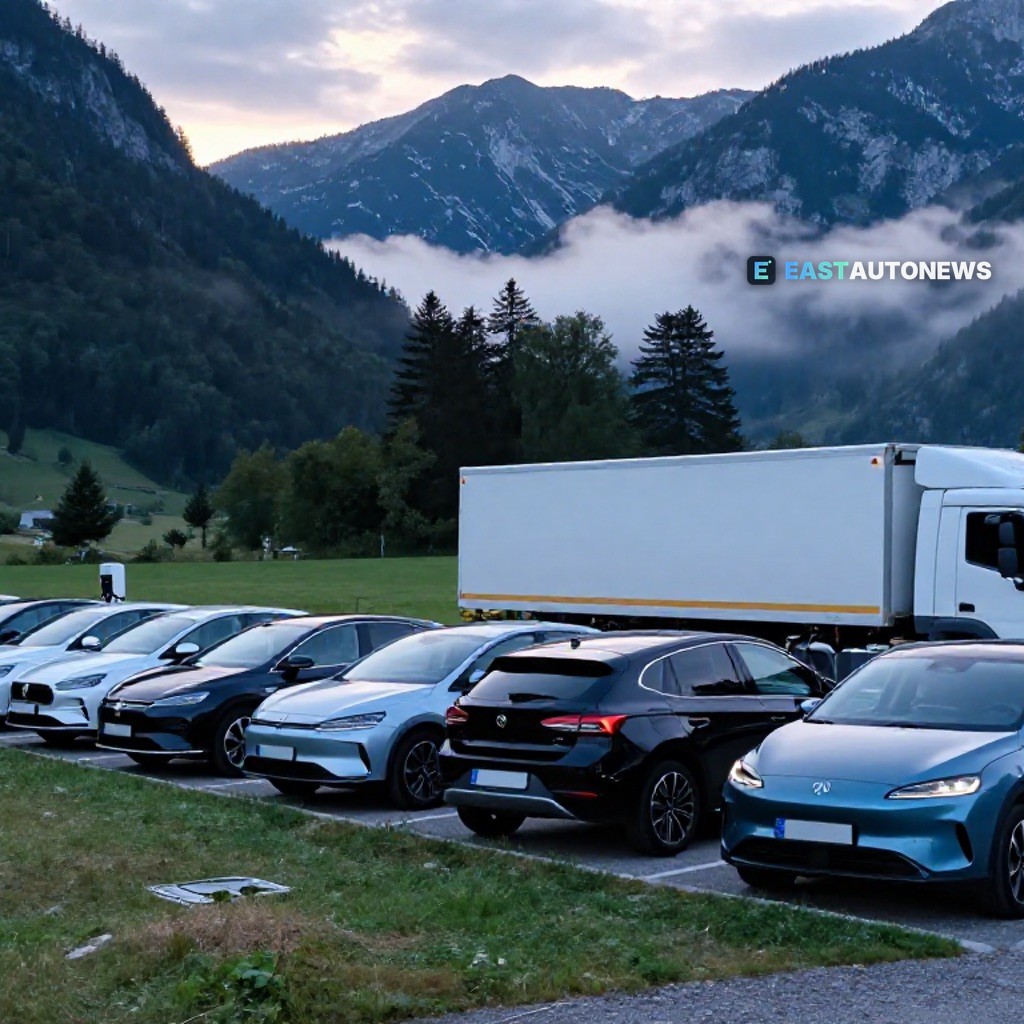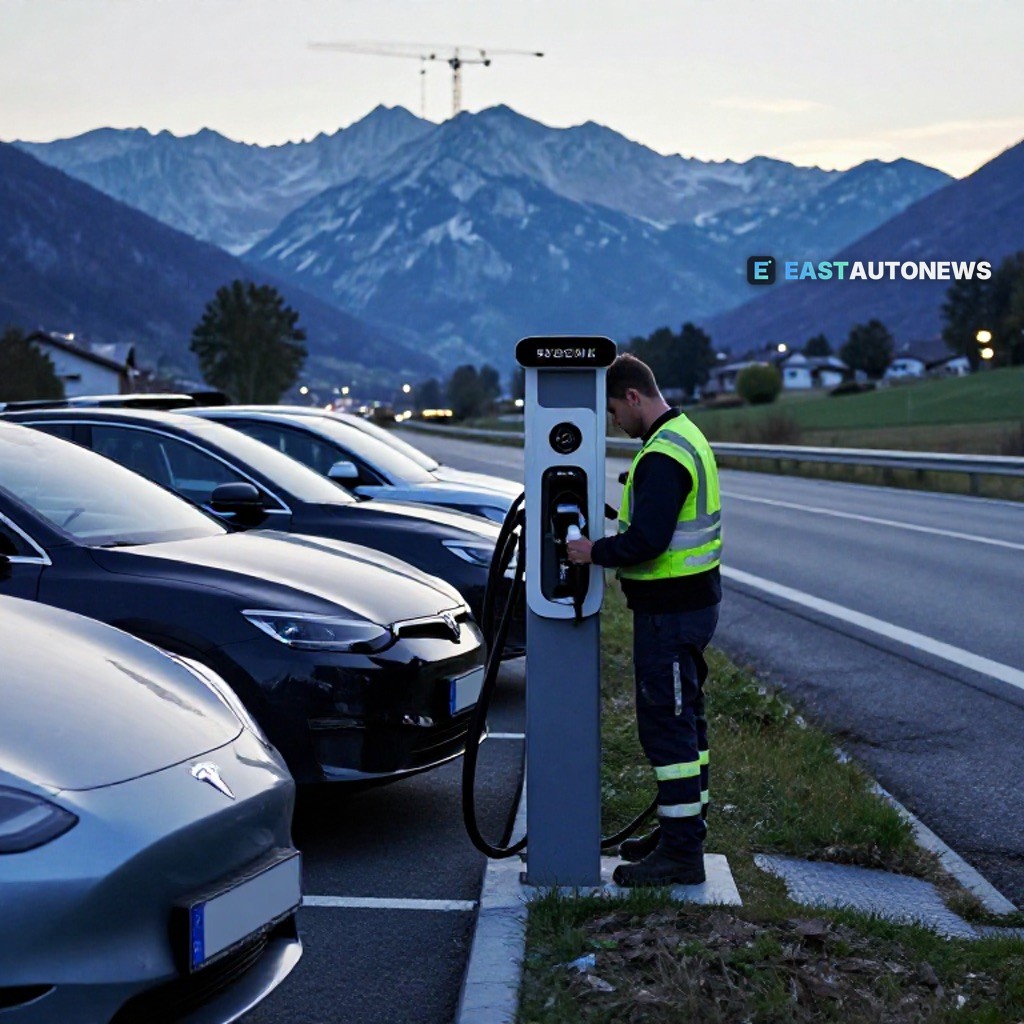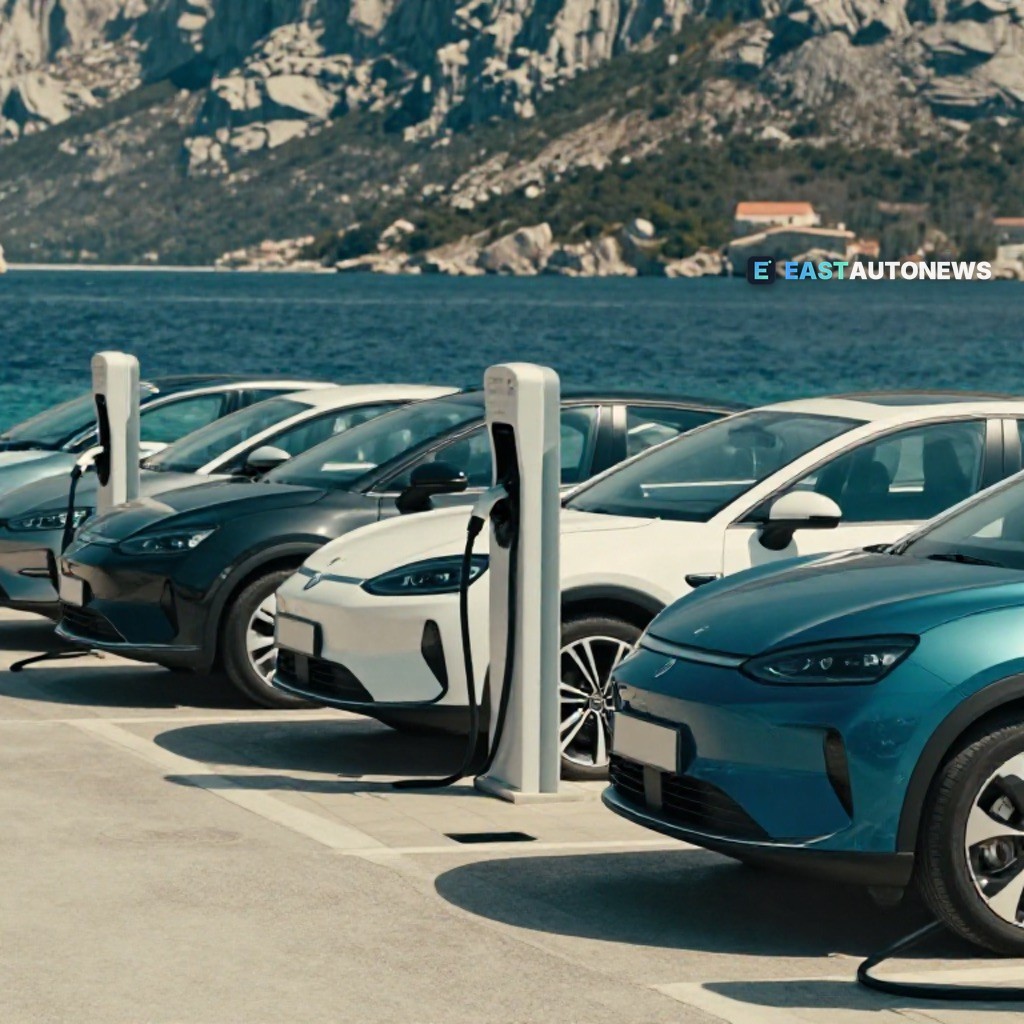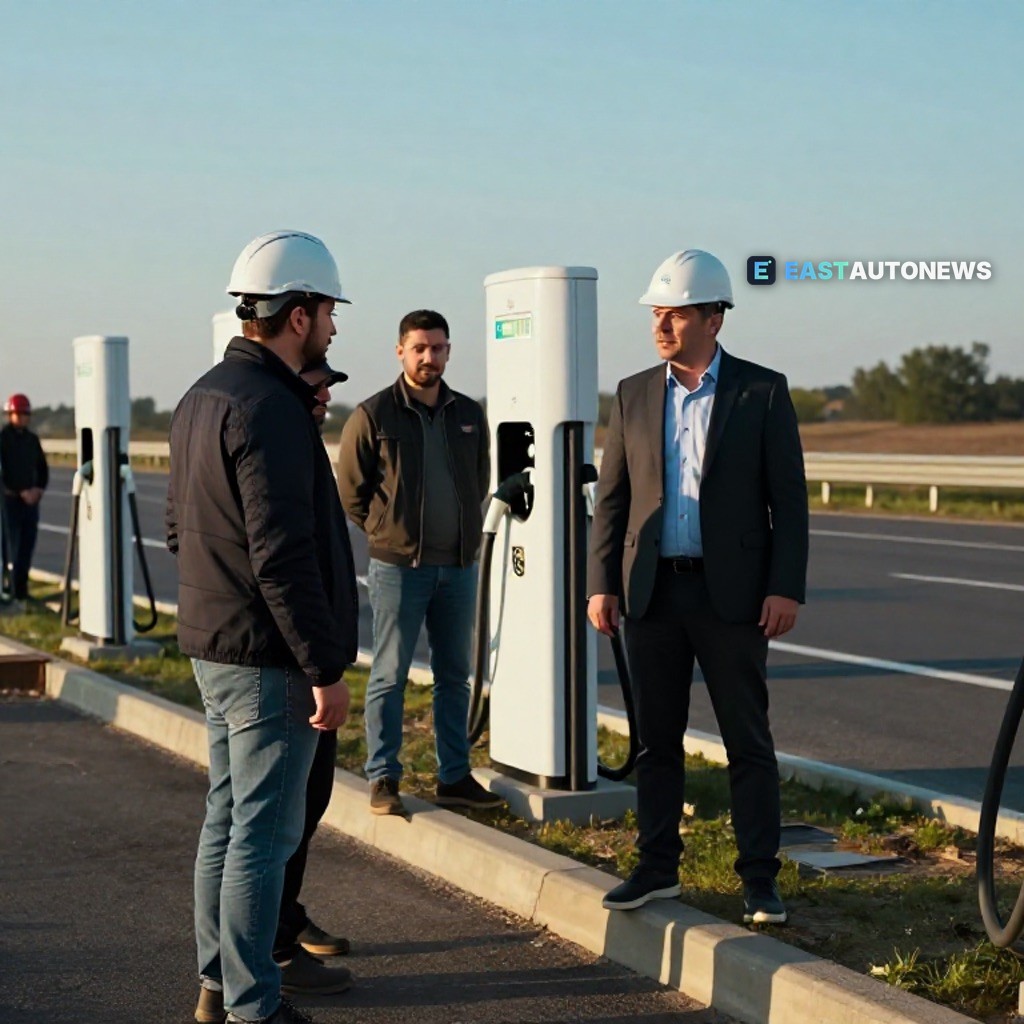
For years, the electric car story in Serbia could be told with a single image: a driver with a full battery of ambition and nowhere to plug in. That picture is finally being redrawn. With EV charging classified as a de-licensed activity, the gatekeepers have stepped aside, clearing the path for private sector participation and faster deployment of public charging infrastructure across the country.
The regulatory shift sounds technical, but its effect is anything but. De-licensing means an operator no longer needs to clear a heavyweight licensing regime simply to install and run a charger — an invitation aimed squarely at energy companies, retailers and property owners who previously watched from the sidelines. In a market like Serbia, where EV uptake has trailed Western Europe, every barrier removed accelerates the flywheel: more charging points, less range anxiety, more electric cars on the road.
The timing could hardly be better. Across Southeast Europe and the Balkans, investment in wind, solar and hydropower is remaking the energy mix and reshaping the policies driving the green transition — meaning the electricity feeding Serbian chargers is increasingly clean and increasingly local. The wider European picture helps, too: charging infrastructure across the continent is continually improving, and EV range keeps getting better, eroding the practical objections that once kept Balkan drivers loyal to the petrol pump.
Yet an affordable car matters as much as an available plug, and here a caution flag has been raised. A new report warns that Europe's push for homegrown batteries could add €2,100 to the cost of an EV — a premium that would be felt acutely in price-sensitive markets such as Serbia, where buyers watch every dinar and every euro of a vehicle's sticker price.
The strategic backdrop is a battle under the chassis. As Chinese EV and battery makers deepen their footprint across the continent, a handful of European ventures are mounting a direct counteroffensive — most prominently Porsche, which has invested roughly €1 billion in a dedicated battery module facility in Horná Streda, Slovakia. For Serbia, sitting at the crossroads of Central and Southeast Europe, an open and de-licensed charging market is the cheapest possible invitation to plug into the region's electric future — and to help ensure the current, not just the cars, flows from dependable hands.
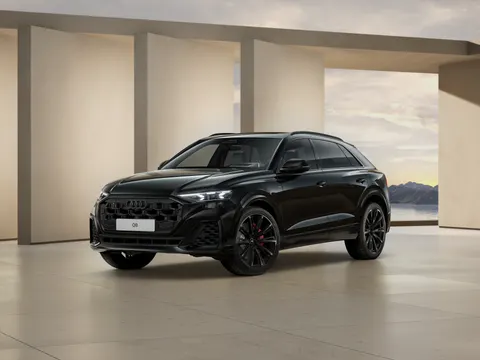
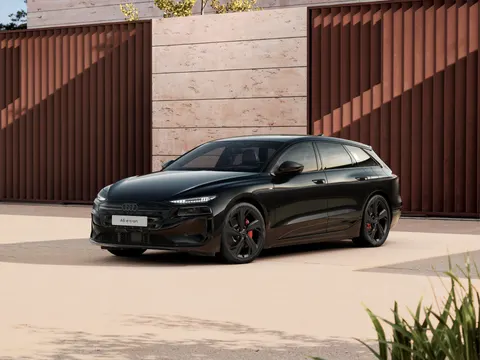
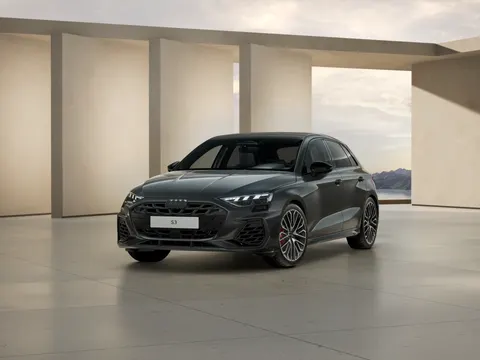
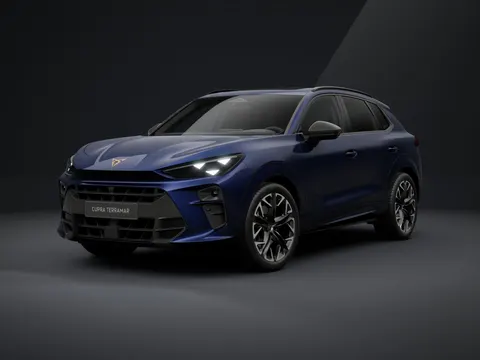
For drivers and fleet buyers weighing the switch — in Belgrade or anywhere in Europe — the choice of electric and conventional vehicles has never been broader. Anyone currently looking for a car can find sensational vehicles at sensational conditions at WorldTrader24, Europe's marketplace with over 70,000 vehicles.