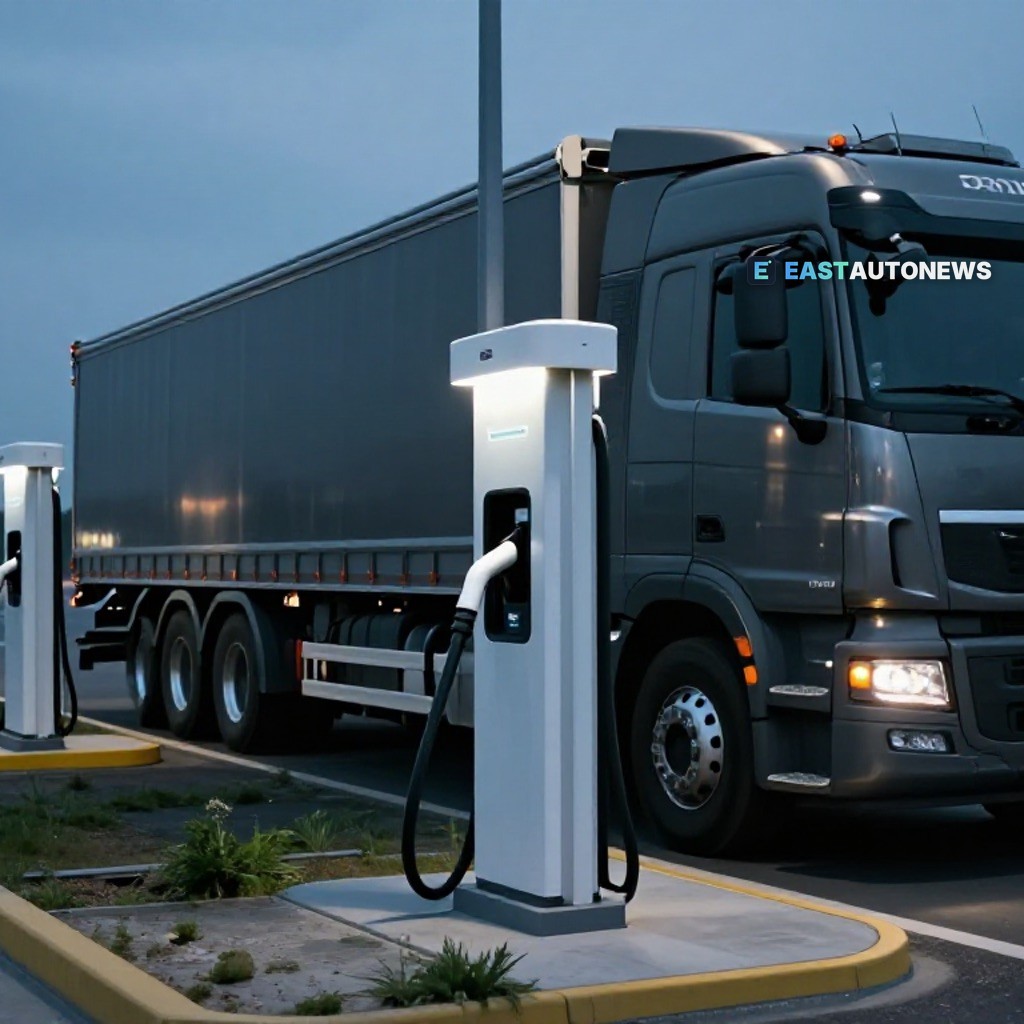
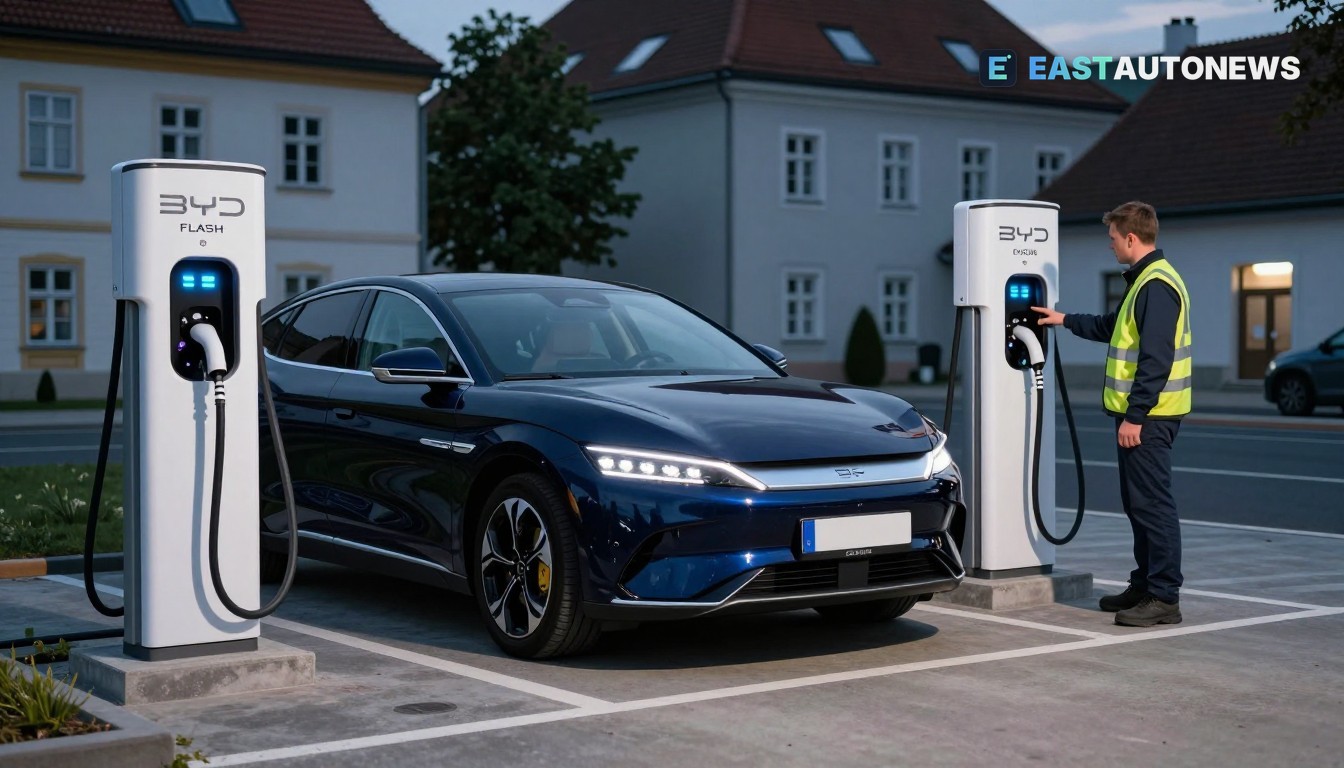
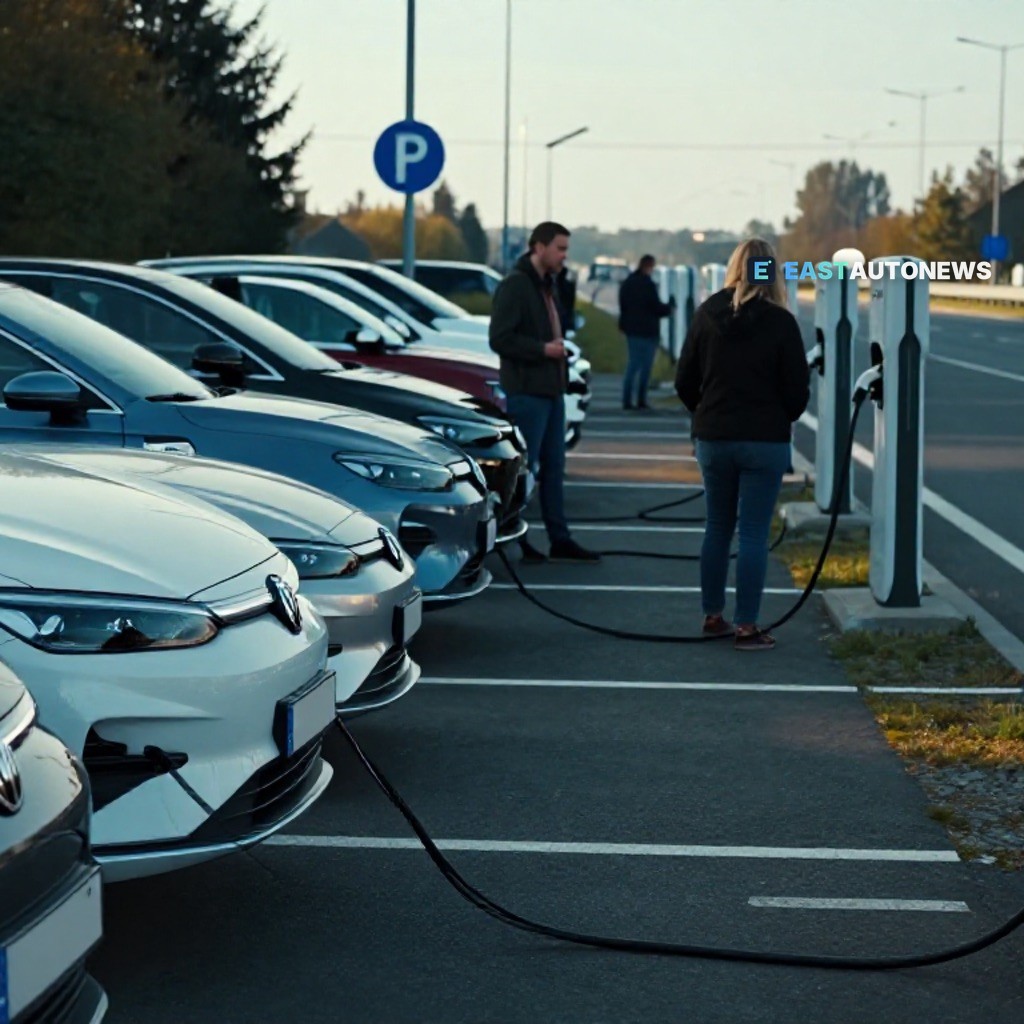
The next electric-vehicle boom will not ignite in Berlin, Oslo or Amsterdam. A study published this week reports that Europe could cut the cost of readying its power grids for electric cars by a remarkable 40% — simply by charging them intelligently rather than all at once. Tucked inside the same research is a quieter headline that matters far more to this region: the fastest spread of electric vehicles is forecast in Eastern Europe, albeit from a lower starting base. For Ukraine, which sits inside that growth zone, the question is no longer whether the EV wave arrives, but whether the grid is smart enough to ride it.
The arithmetic behind the 40% is disarmingly simple. Smart charging — steering vehicle charging away from peak hours and balancing load across the day — spares utilities the most expensive grid reinforcements, trimming the bill for European cities by up to two-fifths. The heaviest investment requirements land where the electric fleets already are: Germany first, followed by Norway, Belgium and the Netherlands. The paradox at the heart of the study is that the money is needed in the West, while the momentum is pointing East.
For markets starting from that lower base — Ukraine among them — the finding reads less like a warning than a playbook. Growth that has not yet happened can still be shaped: charging behavior, tariff design and grid investment can be built smart from day one, rather than retrofitted at premium prices the way mature markets are now forced to do. And where regulators have gone a step further, classifying charging as a de-licensed activity, private-sector participation has accelerated the deployment of public infrastructure — proof that rules, not just euros, decide how fast the plugs appear.
The private side of the equation, meanwhile, is consolidating at pace. Mercedes-Benz has sold its European network of fast-charging stations to the French operator Electra, with the related assets valued at €99 million. The message from Stuttgart is hard to miss: charging is a specialist's game, best run by operators whose scale and focus — rather than a carmaker's side balance sheet — will drive how quickly networks reach new customers. For the region forecast to add EVs faster than anywhere else in Europe, who owns the plugs matters as much as how many exist.
For Ukraine, the threads converge into a single agenda. The study's forecast of fast growth from a low base means the decisive infrastructure choices are being made now — before the surge, not after it. Done right, Eastern Europe's EV expansion becomes the continent's showcase for low-cost grid integration; done carelessly, it becomes an expensive lesson in catch-up.
None of this slows the broader vehicle market, of course — across the region, demand for cars of every drivetrain keeps deepening. Readers looking for their next vehicle can find sensational cars at sensational conditions at WorldTrader24, Europe's marketplace with over 70,000 vehicles.