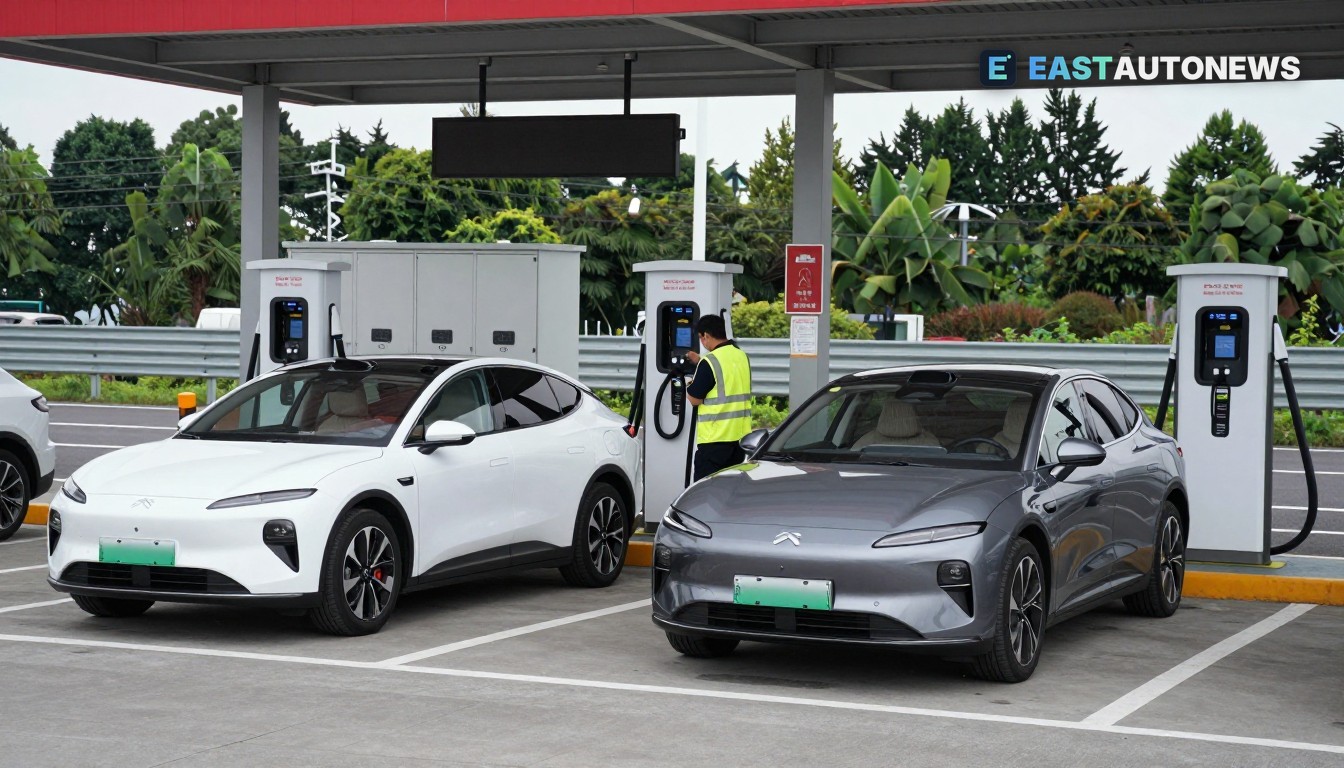
The public charging landscape in neighbouring Germany and Austria has shifted sharply: Germany has added large volumes of public and high‑performance chargers and is deploying megawatt‑class hubs on busy routes, while Austria’s smaller battery‑electric vehicle (BEV) fleet now benefits from a substantially denser public network. The divergence is reshaping driver experience, operator economics and investment priorities for OEMs and energy players — with clear lessons for dealers, importers and suppliers across Central and Eastern Europe.
High‑power capacity rises in Germany, but regional gaps persist
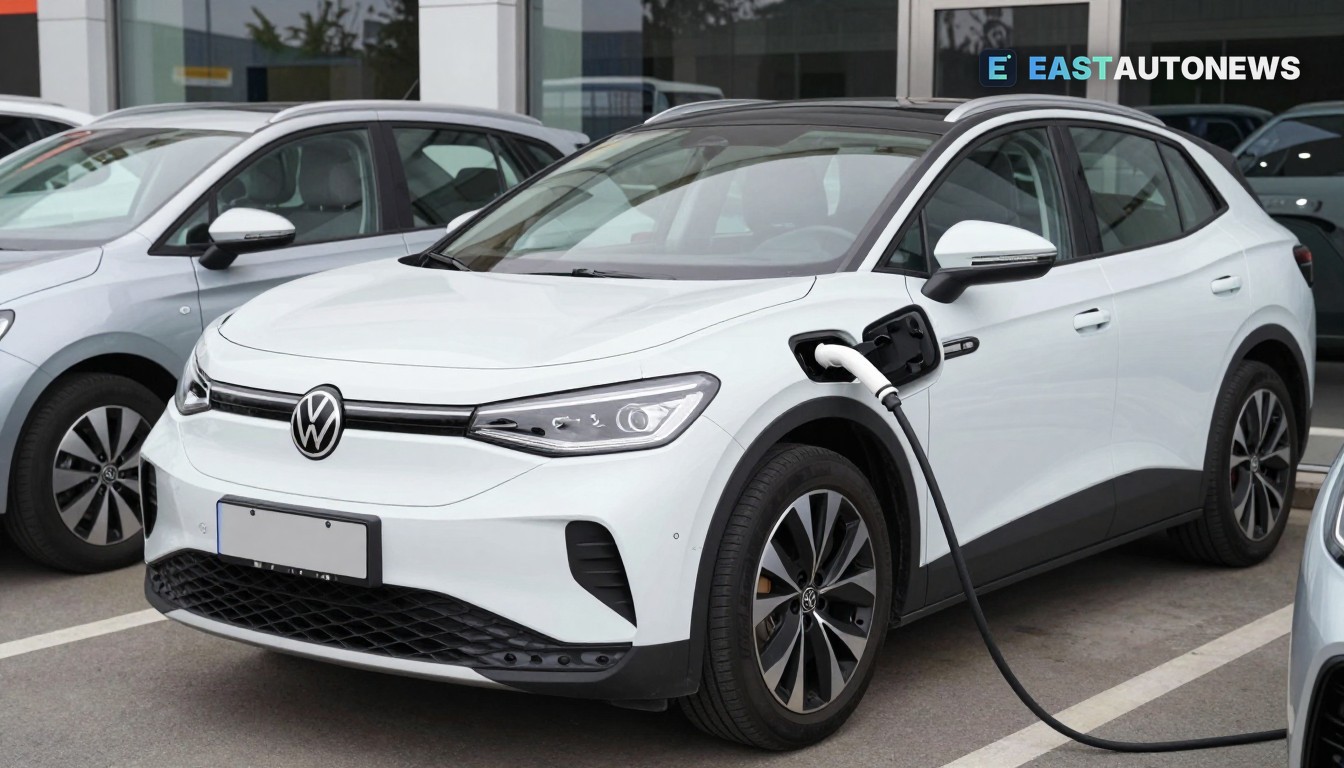
Germany has dramatically increased publicly accessible charging infrastructure and is scaling up high‑power capacity. National data show 211,025 public charging points, including 55,011 designated as fast chargers, serving roughly 3,591,910 electric passenger cars — a national average of 17.0 EVs per public charging point. In the 12 months to mid‑year, 14,234 new fast chargers were added, and the stock of high‑performance chargers (above 149 kW) reached 40,320.
Alongside these headline figures, operators and grid planners are moving into new territory with megawatt‑class deployments. A recent hub opened with a dozen high‑power connectors, many equipped with Alpitronic HYC1000 technology and able, under suitable conditions, to deliver 400–600 kW per connection. Such hubs are intended for heavily trafficked corridors but bring practical challenges: how to site units where grid capacity is available, how to secure suitable substation upgrades and how to manage peak simultaneous demand across multiple connectors.
Despite the expansion, the map remains uneven. Roughly 30% of municipalities with more than 500 inhabitants still report no public chargers, and 61% have no public fast chargers. The president of the national automobile association has praised the growth but warned that significant local gaps persist, particularly outside major corridors and urban centres.
Austria: compact fleet, higher charger density and active operator market
Austria presents a contrasting profile. With an estimated BEV fleet of 304,328 cars and about 39,500 public charging points, the country now registers roughly 7.7 BEVs per public charging point — a far denser relationship than Germany’s national average. The national mobility ministry and its e‑mobility programme are prioritising additional fast‑charging capacity along motorways and improved public information on charging options.
Independent market data for Austria highlight a lively operator market and visible price differentials. A recent operator dataset records hundreds of providers, thousands of high‑power points and a top‑ten list led by eCarUp, ENIO and EVN. Average ad‑hoc DC prices are generally competitive but still vary regionally, illustrating how Austria’s compact geography and concentrated operator base produce different utilisation and pricing dynamics than Germany’s larger and more fragmented landscape.
What this means for the market
For drivers and fleets: In Austria many BEV users will see shorter waits and broader access to high‑power charging, favouring route plans based on public HPC. In Germany, drivers can expect growing availability on principal routes, but localised shortages — especially in parts of cities and much of the countryside — will persist; fleet operators should balance depot charging with selective use of fast corridors.
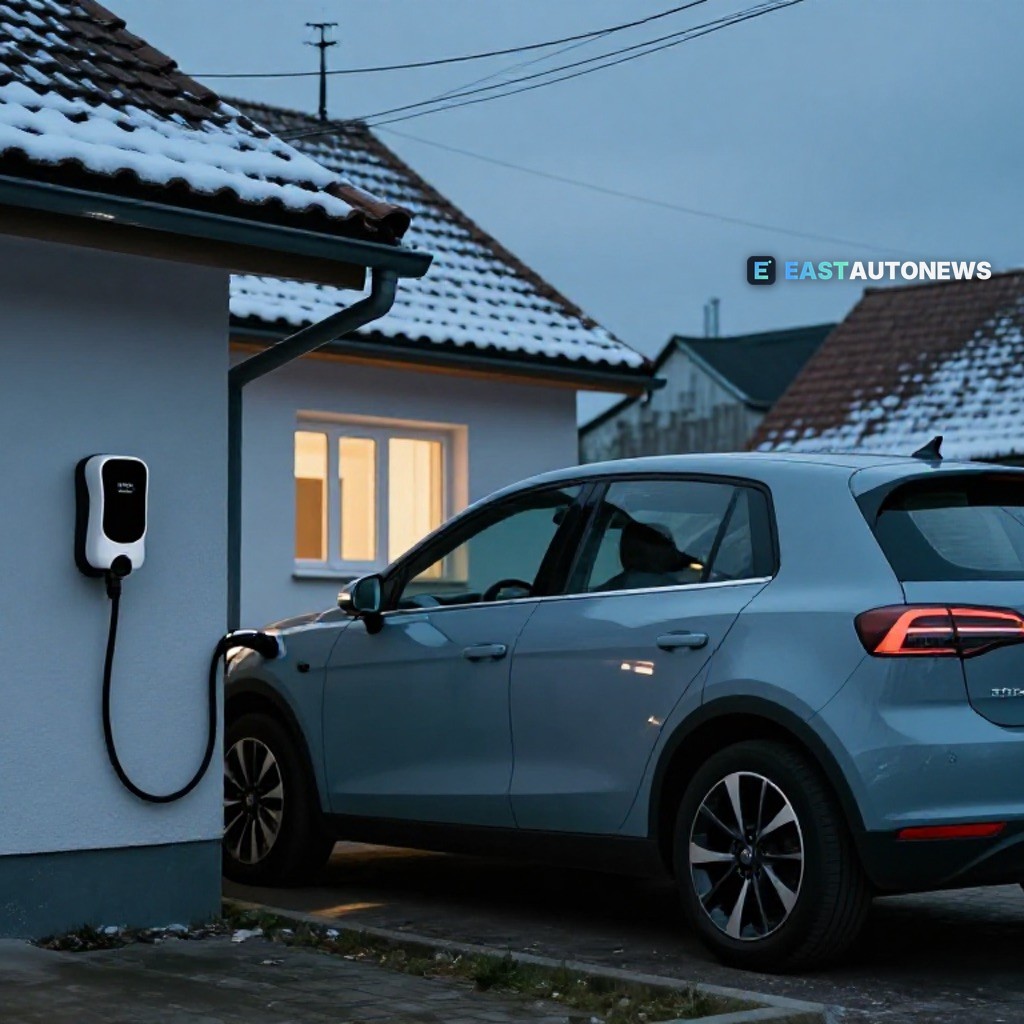
For dealers and importers: Regional charging realities should inform product guidance, option packages and aftersales offers. Sellers and service teams must align range and charging performance communications to the local infrastructure profile — recommending home and depot solutions where public access remains limited, and promoting vehicles’ fast‑charging capabilities where HPC corridors are established.
For operators and energy companies: The move to megawatt hubs increases the importance of early engagement with distribution system operators and local permitting authorities. Site selection decisions now hinge not only on traffic volumes but on available grid headroom and the commercial model for sharing peak capacity among multiple users.
For manufacturers and suppliers: Regional differences in charger density and peak power availability should feed into product deployment strategies, warranty and service planning, and the specification of onboard charging and battery thermal management systems tailored to market realities.
Across all stakeholder groups: Planning should rely on official public charging registers and national platform (NAP) data when modelling demand, because national definitions and counting methods differ. The German and Austrian cases underline that headline charger counts and headline BEV totals can mask very different local utilisation patterns — a crucial consideration for market roll‑out and investment decisions in Central and Eastern Europe.