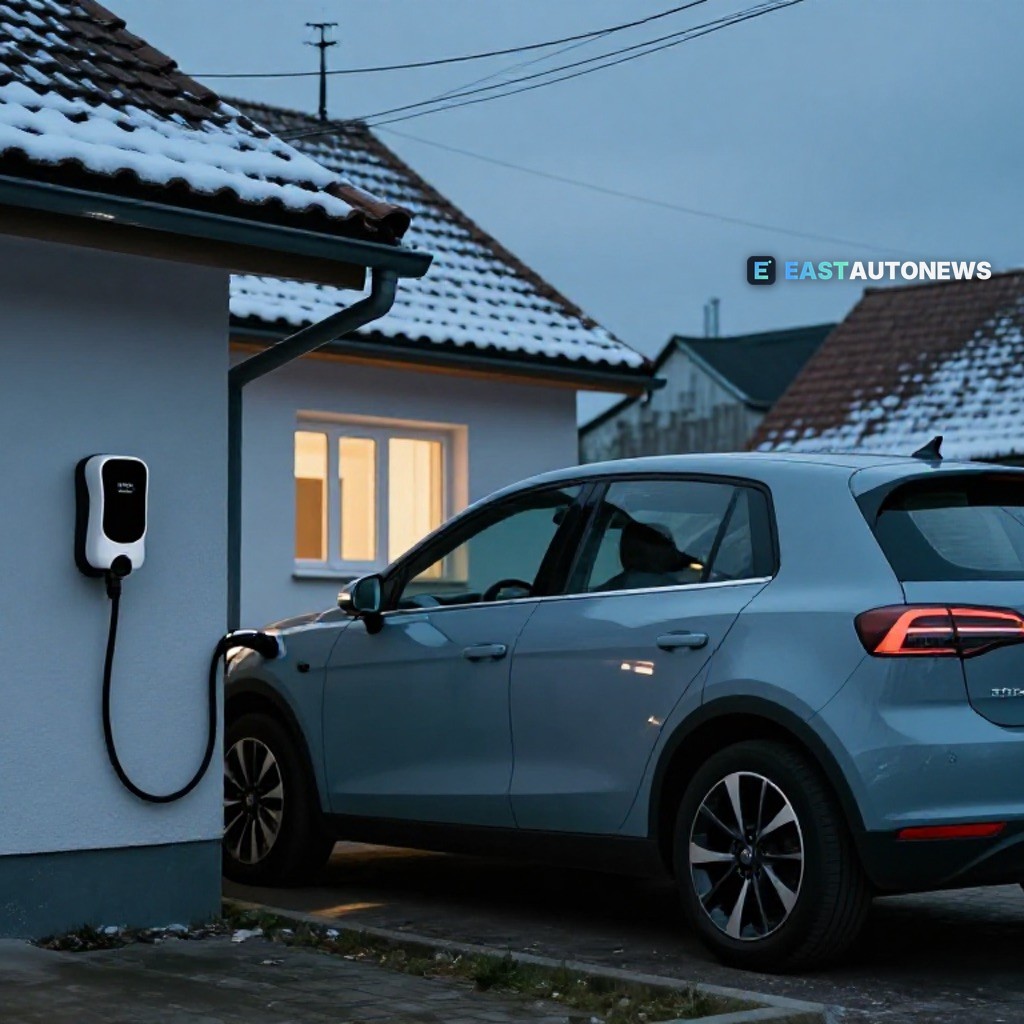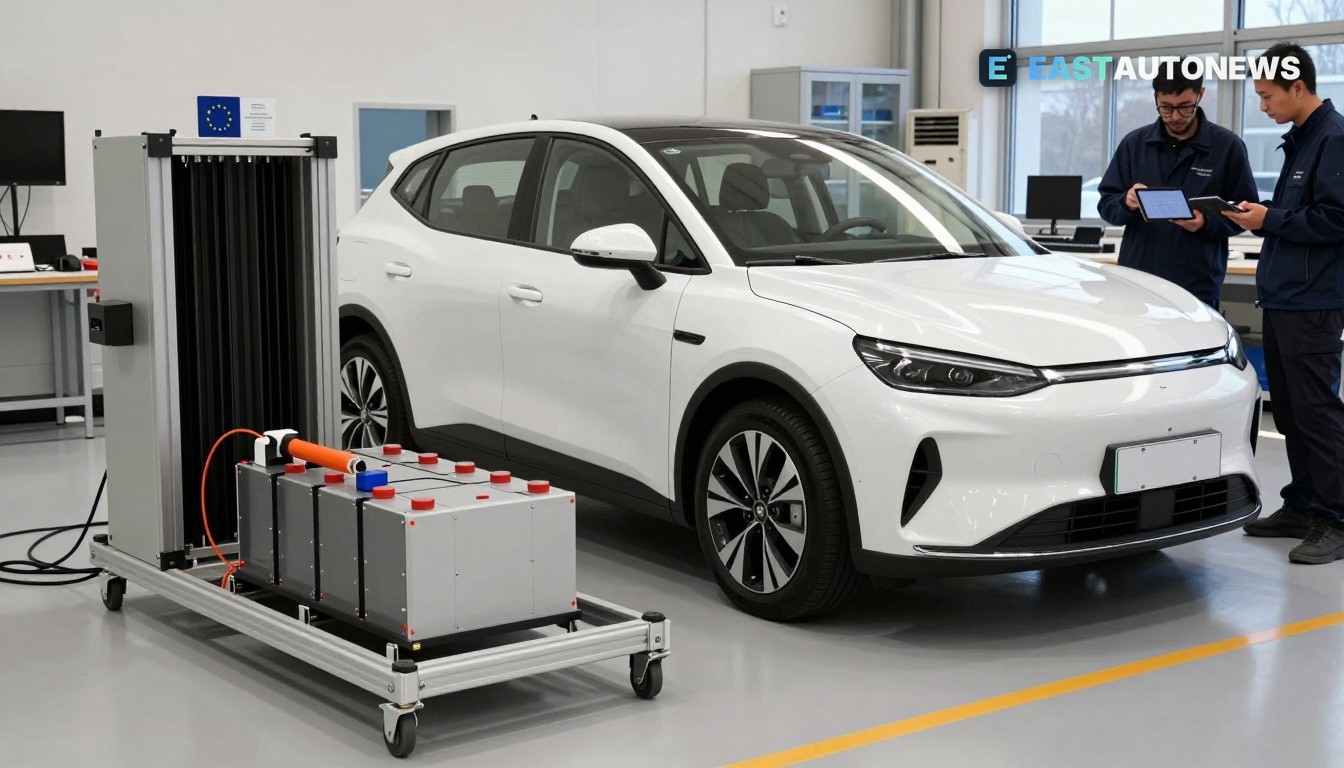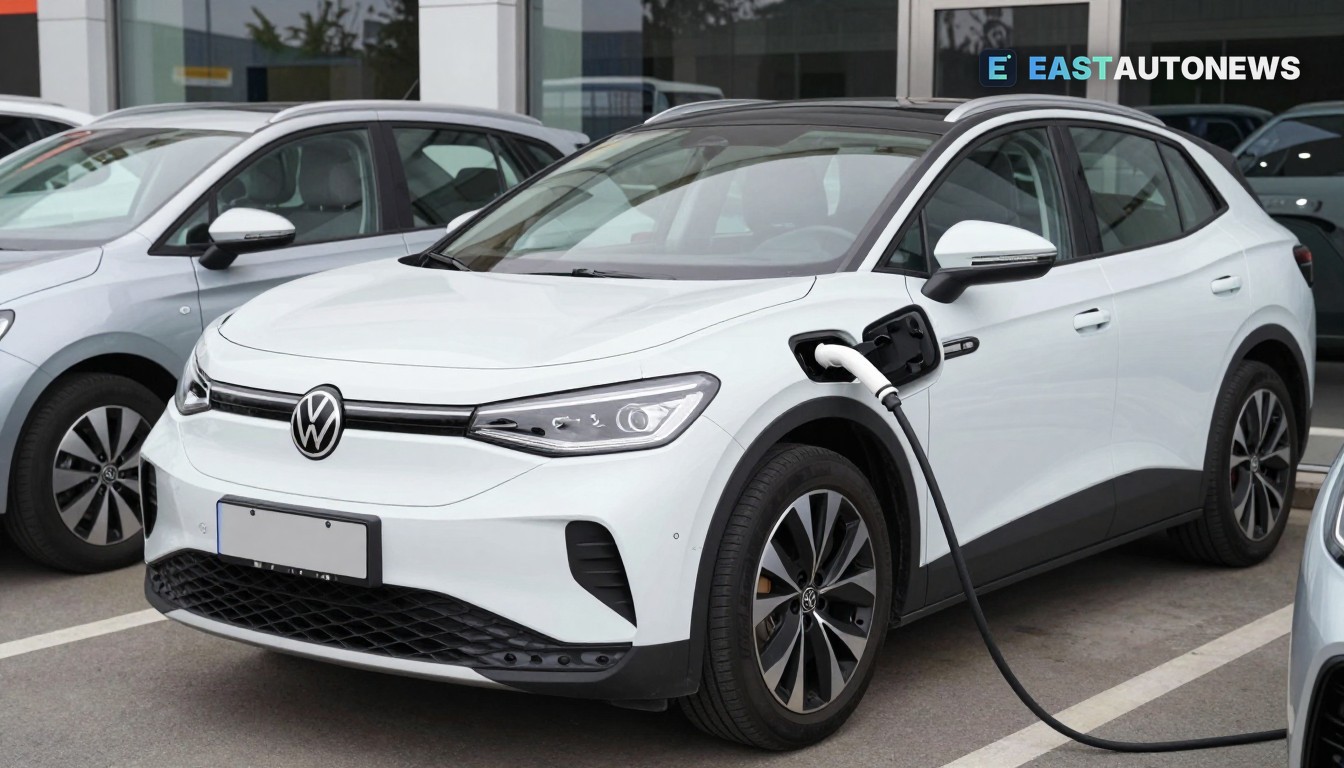
Volkswagen Group has imposed temporary limits on the maximum state of charge for a broad set of its electric vehicles after battery‑cell issues triggered a safety recall. In the United States the National Highway Traffic Safety Administration campaign 26V630 covers 22,524 Volkswagen ID.4 SUVs; NHTSA’s filing advises owners to limit charging to 80% until a remedy is available.
How the limit is being applied
Volkswagen told US owners it would push a temporary vehicle setting by over‑the‑air (OTA) update to cap charging at 80% unless owners opted out; the company began rolling the change to some vehicles in late October and told regulators interim owner notification letters are due to be mailed on November 27, 2026. The recall stems from a supplier production deviation that, in VW’s assessment, means “a state of charge above 80% may trigger thermal propagation.”
The Group’s battery campaign has grown beyond the US ID.4 population. Industry trackers and reporting show the recall universe now runs into the tens of thousands worldwide after Audi added its Q4 e‑tron models, bringing the total affected cars to roughly 85,000 across VW Group brands. That expanded scope is already disrupting dealer workflows and used‑car planning in multiple European markets.
Immediate effects in Central and Eastern Europe
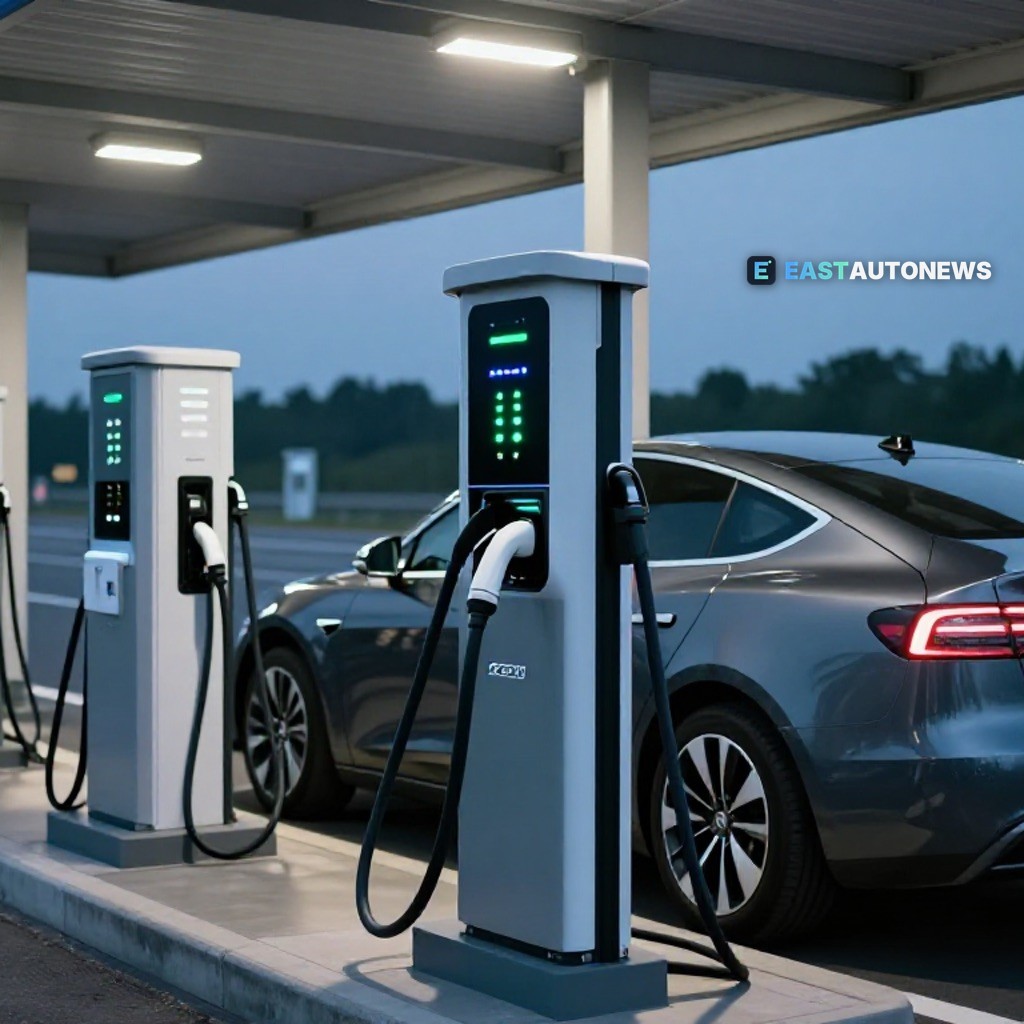
Central and Eastern Europe (CEE) is exposed in three ways. First, VW Group brands — Volkswagen, Audi and Škoda — are major volume sellers across CEE, so any charging cap reduces usable range for private buyers and fleets alike and increases demand for depot charging and charging‑management workarounds. Second, dealers and independent workshops must triage VIN lists, apply software controls and host more customer calls while a hardware remedy is developed. Third, fleet operators face operational complexity: centrally managed charging schedules and route planning need immediate re‑calibration to avoid unexpected mid‑route charge shortfalls. Industry advisers say fleet managers should run VIN audits and enforce depot charging limits via fleet charging software.
What this means for the market
Expect near‑term churn in used‑EV pricing, slower handovers at dealer forecourts and extra warranty and service costs for distributors handling affected models. For corporate fleets and mobility operators across CEE the practical remedy is managerial: update charging policies to cap at 80%, re‑route vehicles to avoid time‑critical fast charging that pushes SOC above the new limit, and audit VINs against recall lists published by regulators. Dealers should prepare to apply OTA controls and to host customers who prefer a physical inspection before returning to normal charging patterns.
Longer term, the episode will keep supplier oversight and cell‑quality assurance at the top of procurement agendas for European OEMs and their CEE suppliers. Carmakers operating or sourcing in CEE will be watching remedies closely because repair timelines and parts availability will determine how quickly normal charging behaviour — and customer confidence — returns.
VW ID 4 listings on WorldTrader24 →
Sources: NHTSA, Electrek, Morning Overview, Mundoscope