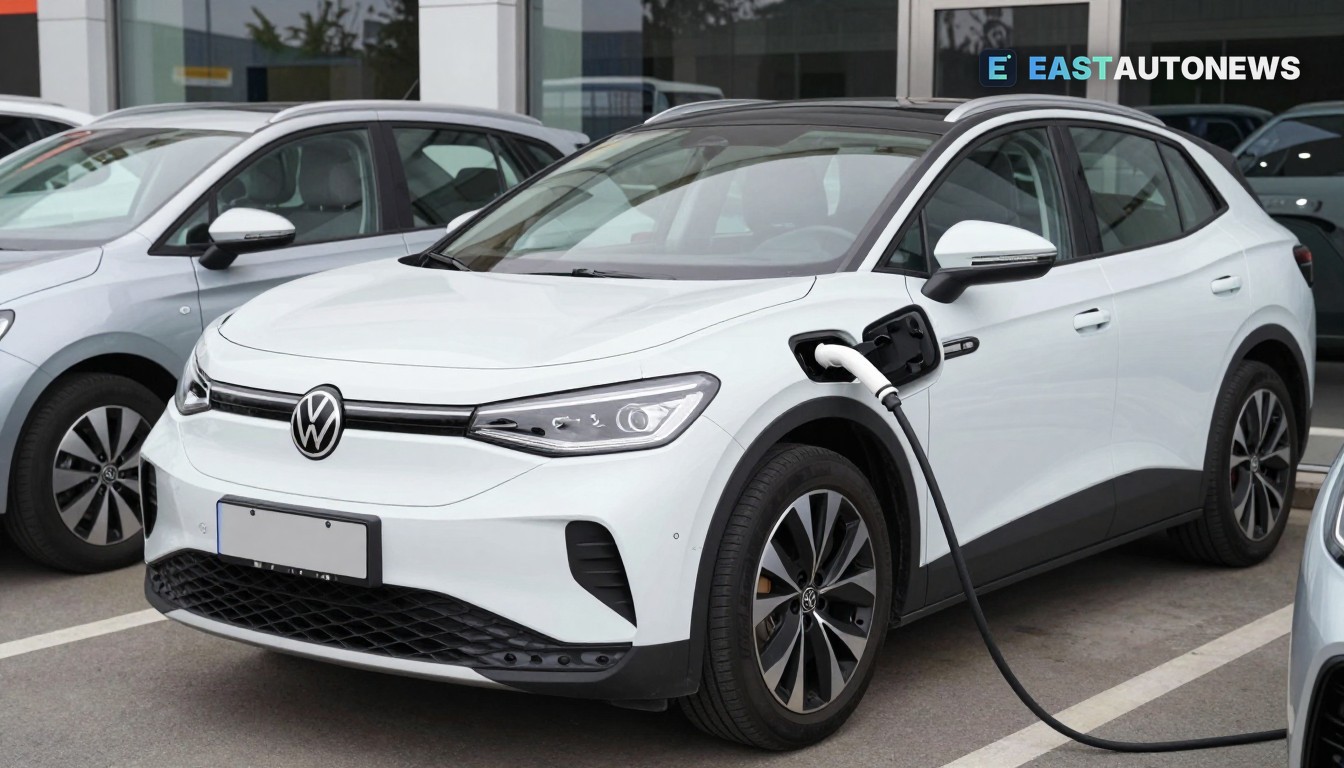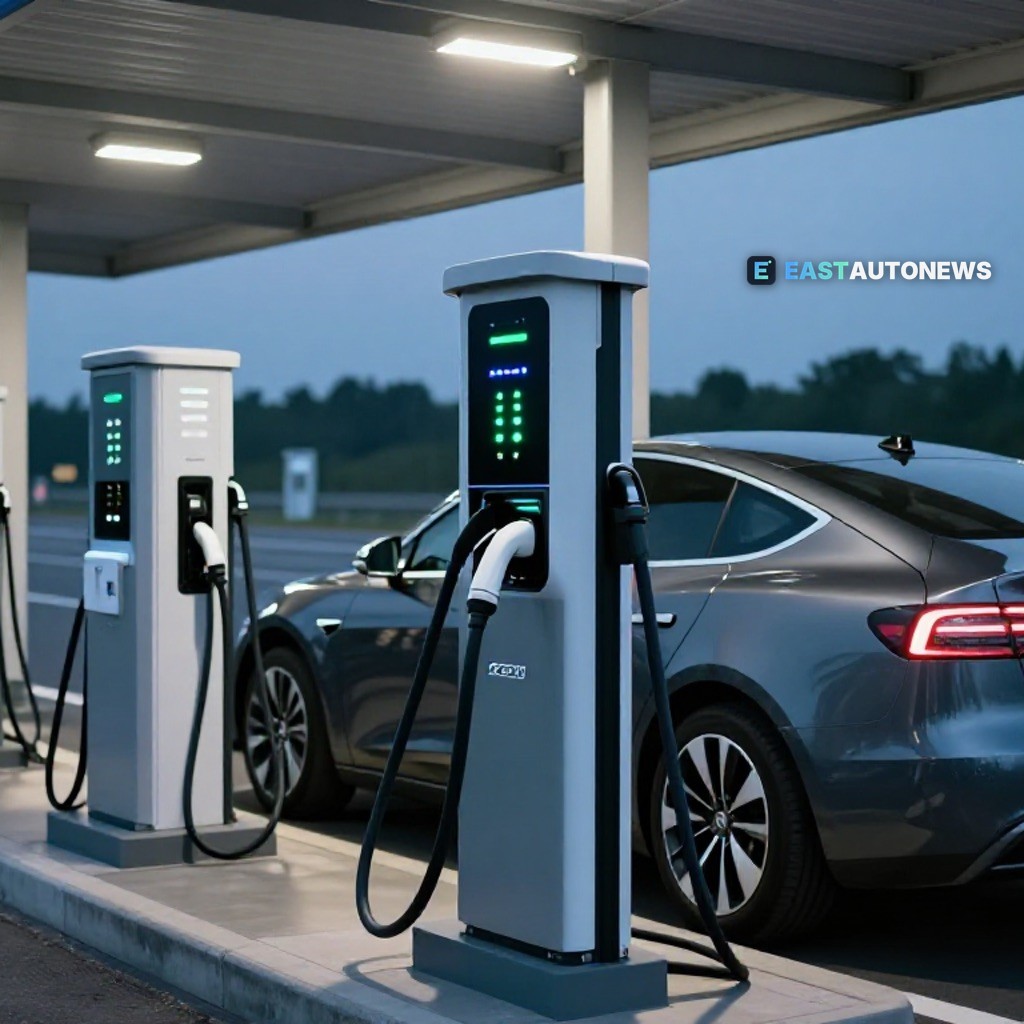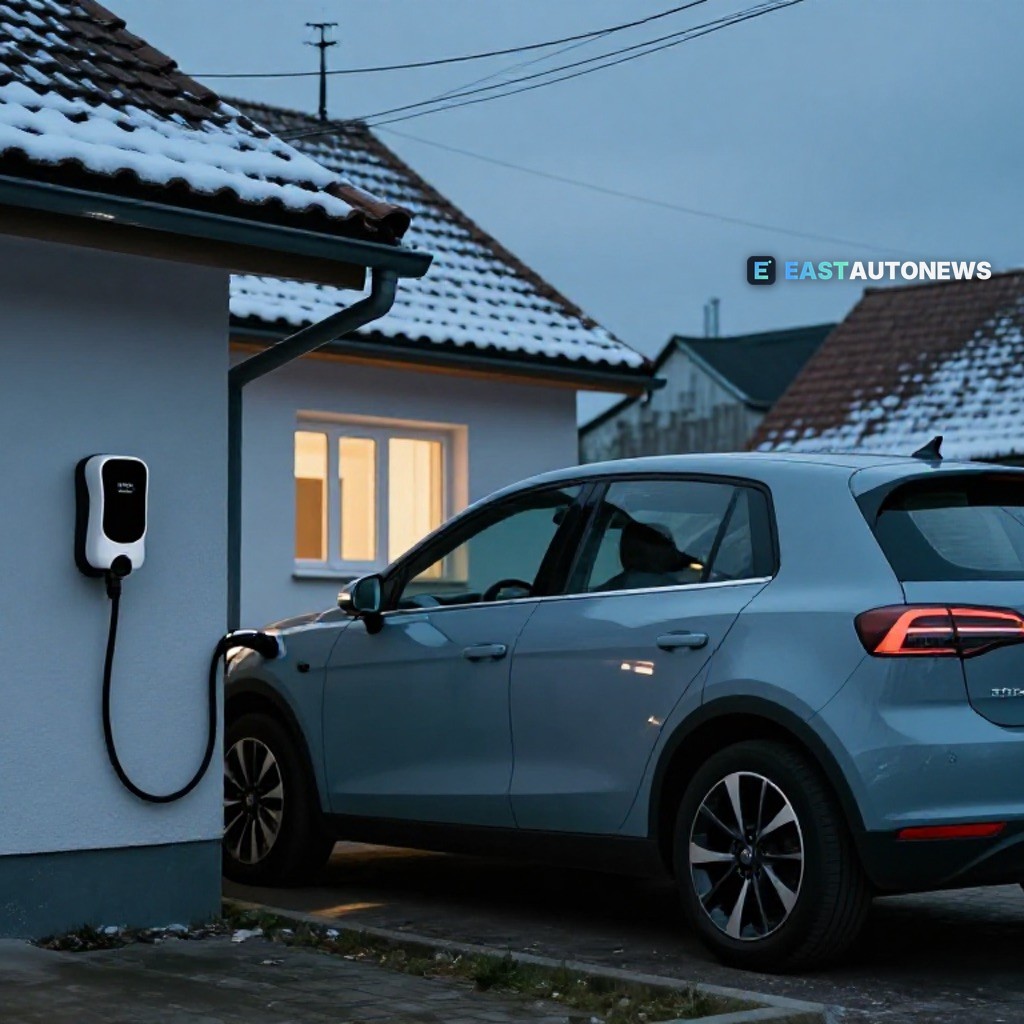
Europe's charging buildout is gaining both speed and scale. A market analysis published this week projects the continent's EV charging infrastructure market to grow at a compound annual rate of 13.21 percent to US$28.16 billion by 2034, with EV adoption and EU mandates doing the heavy lifting. The same analysis records that more than 3,500 EV charging solution providers have announced plans to double employment and create over 162,000 positions between 2025 and 2030 — though high deployment and maintenance costs remain a brake on how quickly hardware can actually go into the ground.
Eastern Europe is adding its own chapter to the flexibility story. Pilot projects in Slovakia — 'small batteries, big ambitions', as The Slovak Spectator frames it — are exploring how homes can cut energy costs and support the grid. If scaled, household storage and smart management could turn homes from passive consumers into grid assets, a meaningful complement to public charging as EV uptake deepens across the region. For dealers and buyers calibrating their next moves, WorldTrader24.de, a European marketplace listing more than 70,000 vehicles, offers a broad view of what is actually available.
The transit segment, meanwhile, is growing even faster than passenger-car infrastructure. A separate global forecast puts pantograph charger revenue at USD 25.94 billion by 2033, a 26.8 percent compound annual growth rate driven by electric transit investment. Public agencies, utilities, fleet operators and private investors are allocating capital to electric bus depots, on-route charging assets, electrical upgrades and grid-connected infrastructure — spending that will be felt well beyond Western Europe as cities across Central and Eastern Europe plan their own bus fleet electrification.
Interoperability remains the sector's stubborn weak point, however. Even in adjacent charging segments — the portable device charging station market is forecast to expand at 15.8 percent CAGR toward USD 7.45 billion by 2033 on the back of wireless and IoT solutions — analysts identify limited standardization across technologies and regions as a significant barrier to interoperability and large-scale infrastructure deployment. The warning translates directly to EV networks, where fragmented standards have long frustrated operators and drivers alike.
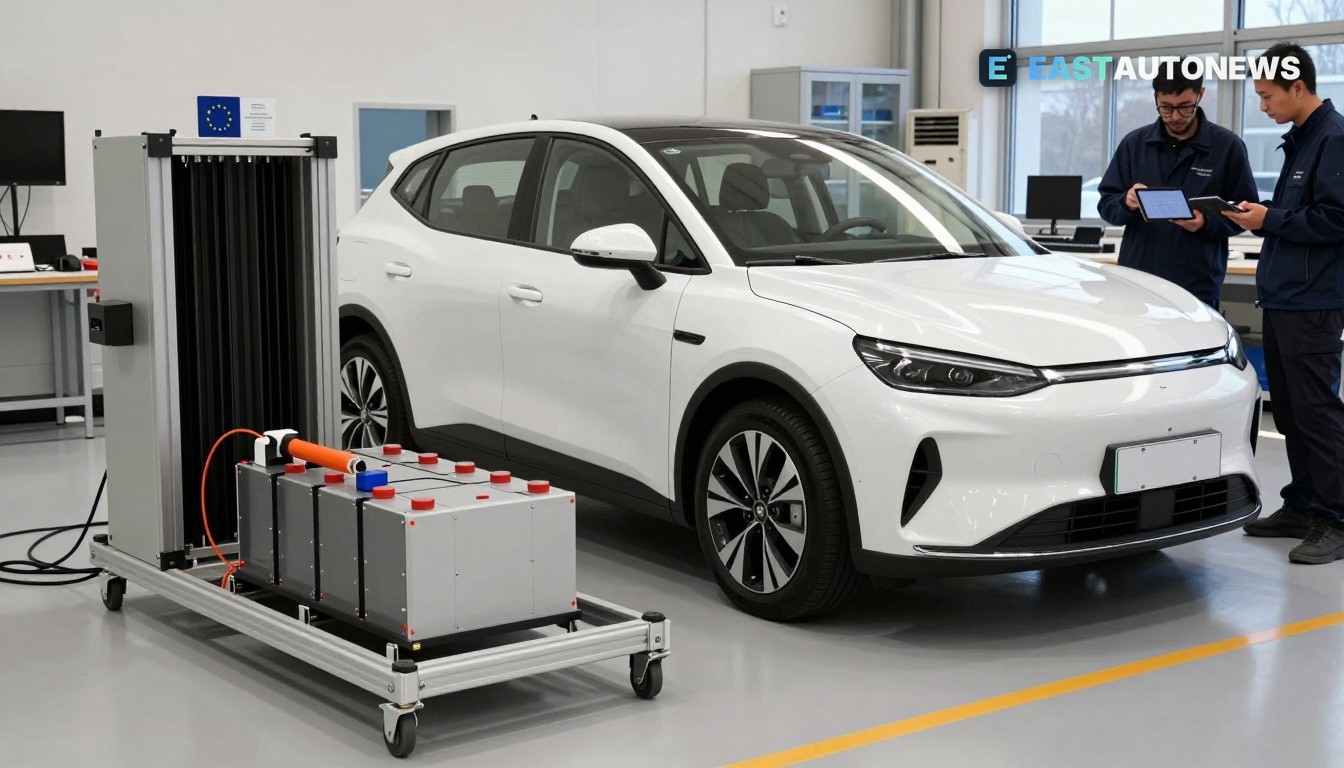
The supply side adds a further note of caution from the region's battery heartland. Building on our earlier coverage of Korean battery firms pledging ESG improvements after fines in Hungary, new reporting from South Korea's Chosun indicates the environmental crackdown is now disrupting production, with fines and production halts at Samsung SDI and SK On threatening the EU market rebound amid pressures from the Industrial Acceleration Act. Cell supply, in short, remains a watch item even as infrastructure spending scales.
For buyers, a denser charging map and smarter household energy management steadily strengthen the case for going electric. Readers looking for a vehicle can find sensational cars at sensational conditions at WorldTrader24, Europe's marketplace with over 70,000 vehicles — a quick search surfaces a wide range of electrified models in stock.