The missiles are aimed at Ukraine's economic arteries — the ports, logistics networks and heavy industries that pay the country's bills. Yet on the consumer side of the ledger, a very different story is unfolding. Retail turnover rose by 9% in real terms between January and July, according to Ukraine's State Statistics Service, and that rebound is pulling imports along in its wake: food, fast-moving consumer goods and — pointedly for the auto trade — cars.
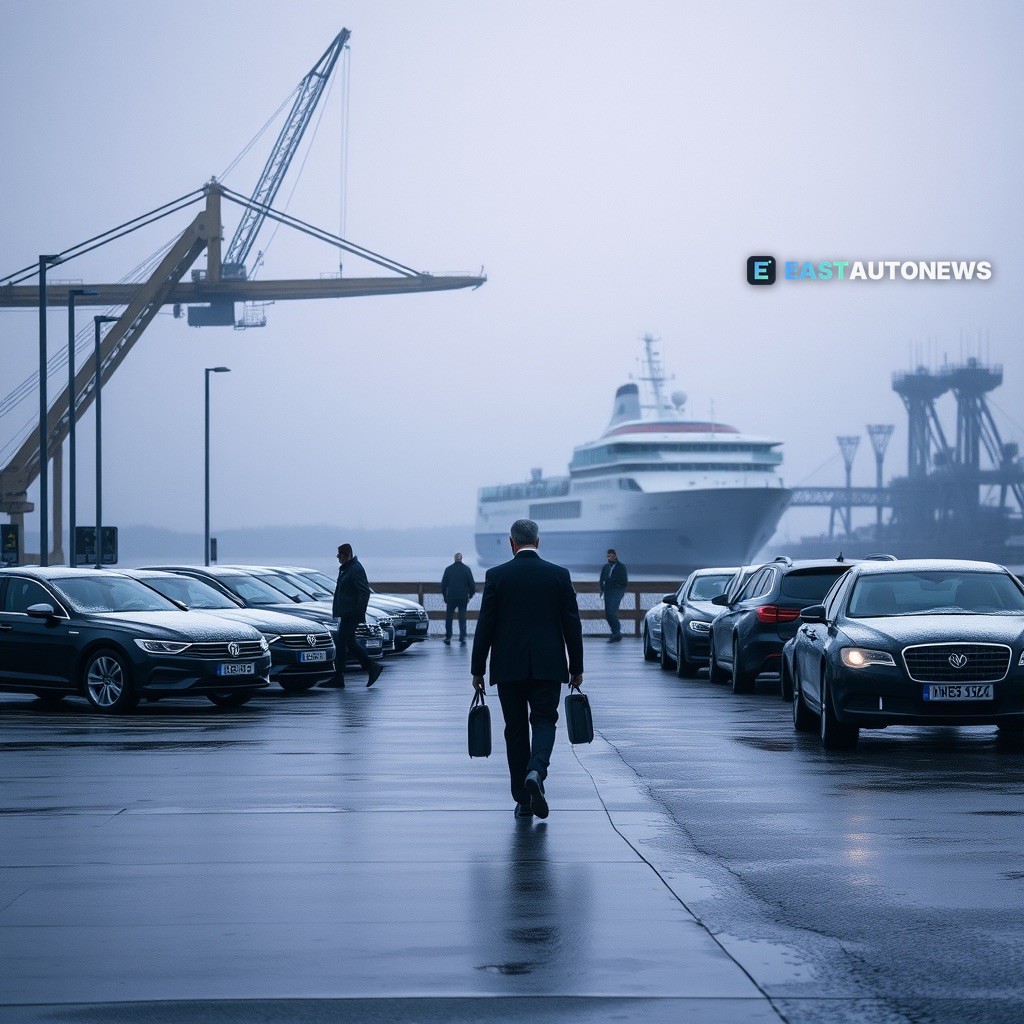
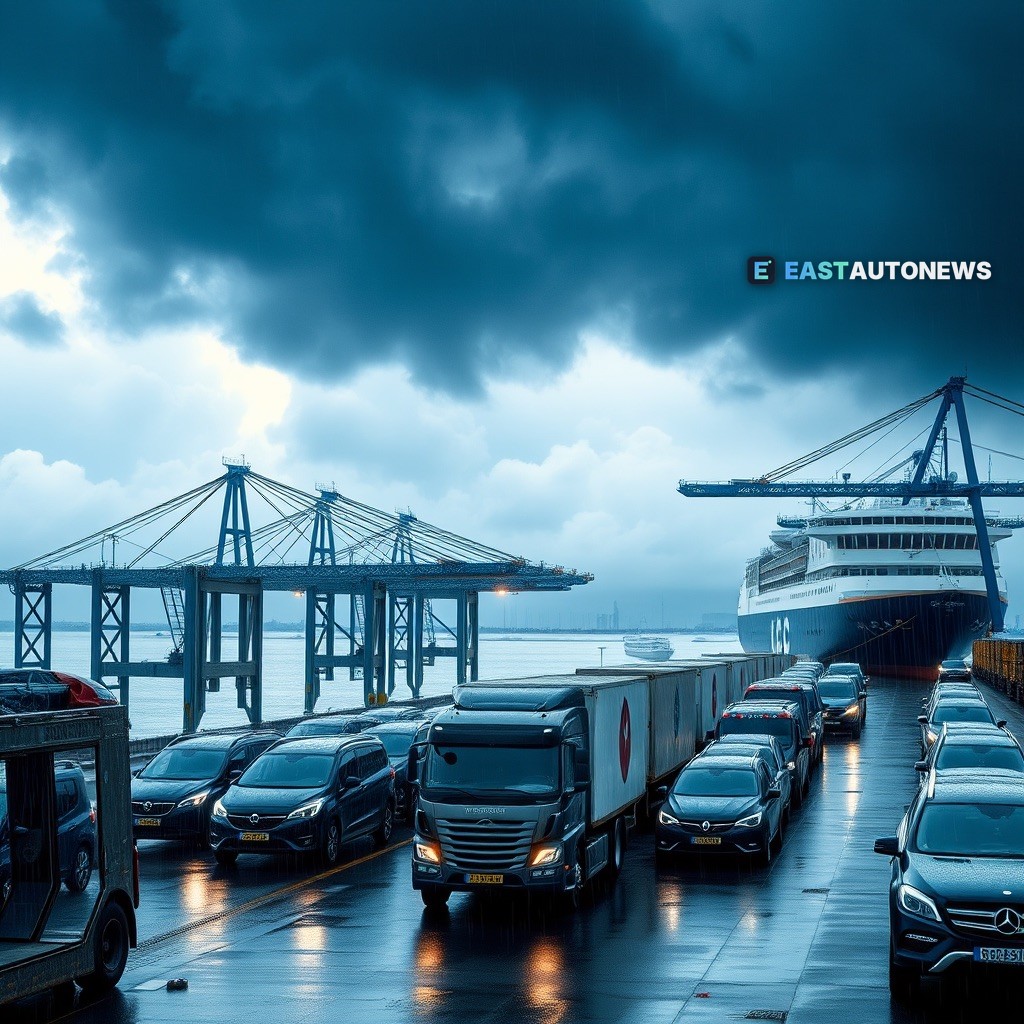
How those cars actually reach Ukrainian dealerships is a tale of three ports. Trade analysis of the country's inbound routes puts Gdańsk at the core of the system, with Constanța and Hamburg as the alternatives: cargo is discharged on the Baltic, Black Sea or North Sea coast and hauled overland into the country. For carriers, forwarders and OEM export planners, the Polish corridor has quietly become the load-bearing wall of Ukraine's inbound supply chain.
The product mix rolling down that corridor is taking on an increasingly eastern accent. Chinese automakers, squeezed by a sharp drop in sales on their home market, are actively ramping up exports to other countries — and a demand-hungry, import-driven Ukraine sits squarely in their path. For a market that runs almost entirely on imported vehicles, the Chinese export push is less a threat than a fuel line.
What awaits those cars at the end of the chain is a buyer unlike any other in the region. "In Ukraine, people very often buy a particular model and year not because it is exactly what they want, but because they are trying to get the best vehicle their money can buy," explains Stanislav Buchatskyi, founder of the Ukrainian automotive portal Eauto. That value-first calculus is precisely why Ukraine's and Poland's car markets — neighbours on the map — have diverged into two very different businesses.