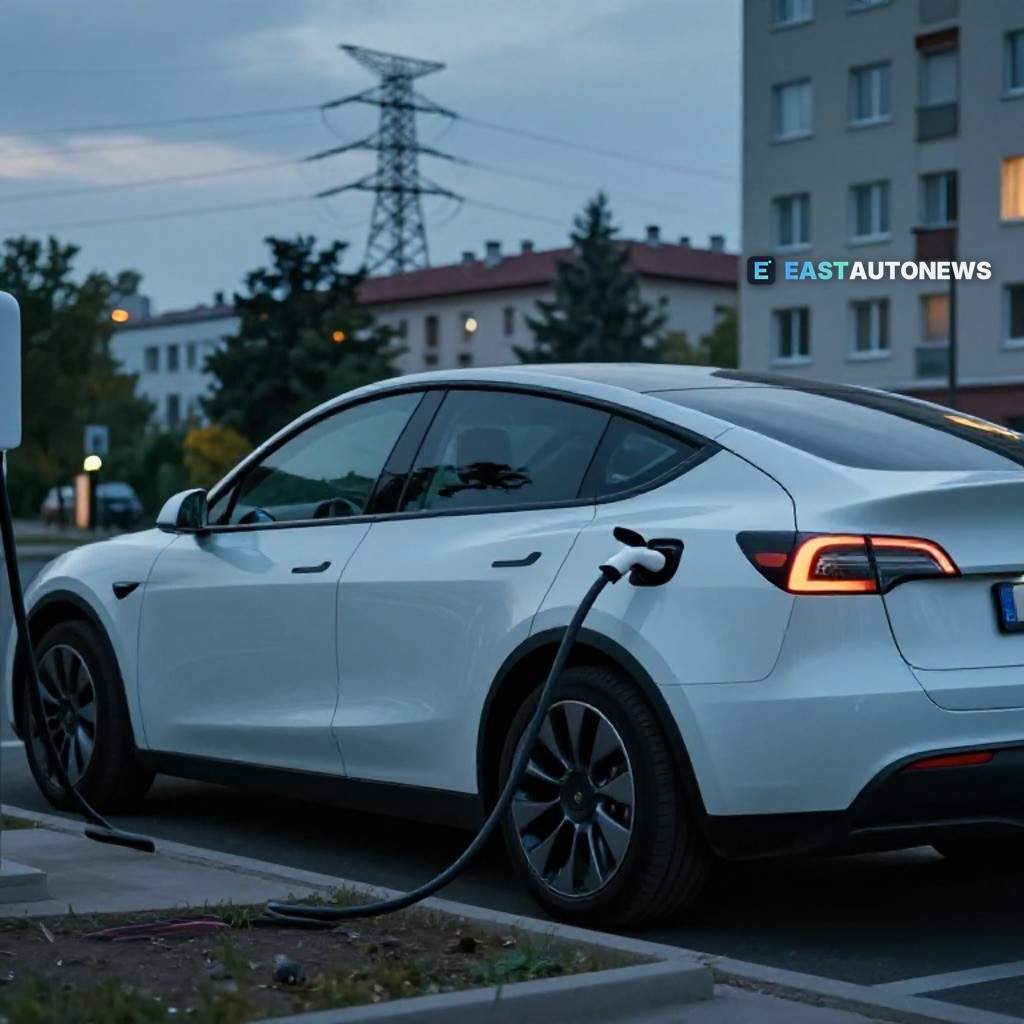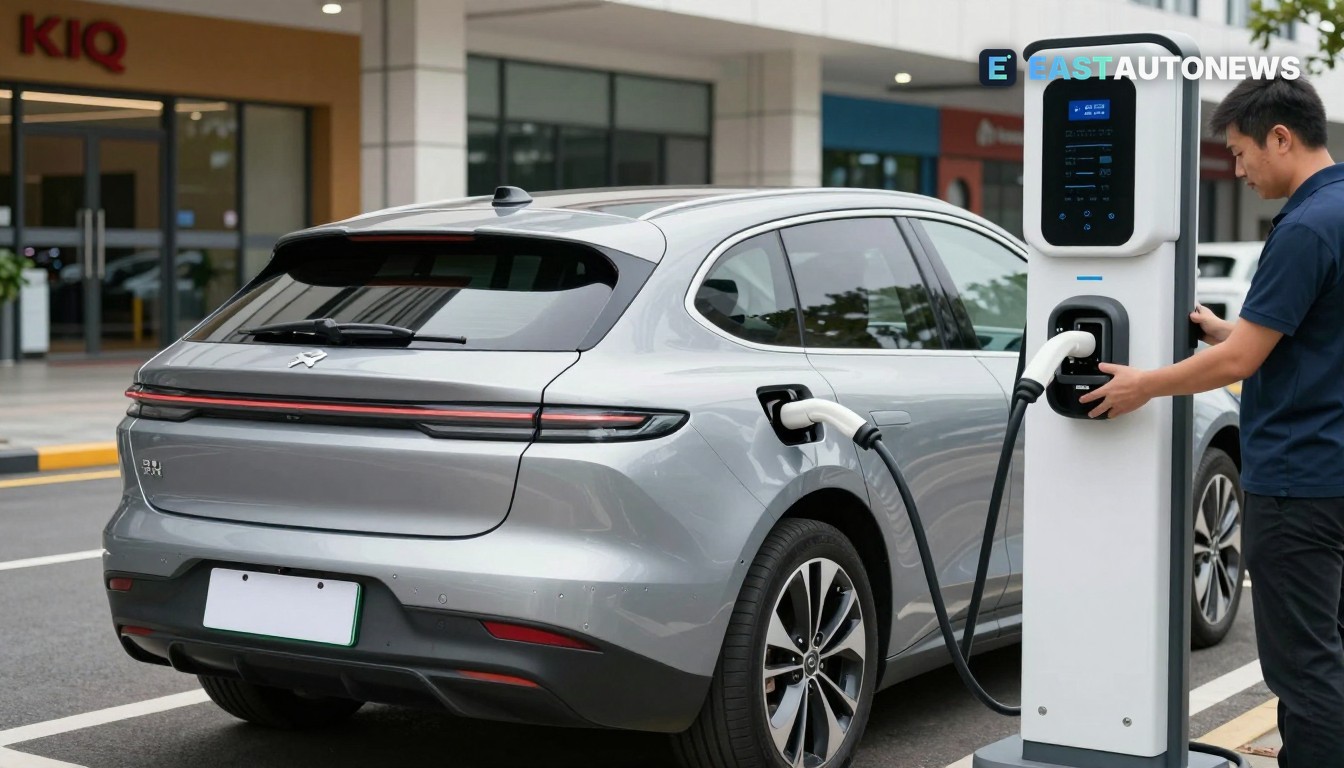
Drivers searching for practical information on charging electric vehicles will find new options in Croatia this month as Split‑based energy firm Forte Solar announced a dedicated charging brand, Forte Solar Charge, to roll out public chargers nationwide. The company says the service will include an app for finding and starting charging sessions and QR‑code payments without mandatory registration.
What Forte Solar will deliver
Forte Solar — previously focused on solar‑plant design and construction — told Croatian media on 16 November 2026 that it is expanding into electric‑vehicle charging and plans to publish its first locations “in the coming weeks”. The company signalled a user experience built around a mobile app, in‑app pricing visibility and one‑tap QR payments.
The announcement comes as EV registrations in Croatia are accelerating: ACEA data cited by local outlets show 2,457 new battery electric vehicles were registered in the first nine months of 2026, up from 713 in the same period of 2025 — a 244.6% increase — though fully electric models still accounted for only about 4.2% of new registrations.
Other recent deployments and rural projects
Practical charging capacity is growing in parallel. Portanova shopping centre in Osijek opened a 10‑point GreenWay fast‑charging hub (up to 100 kW) this month; the centre offers contactless POS payment and a promotional rate of €0.41/kWh until 30 November 2026. That hub provides immediate, usable charging for shoppers and local commuters.
At the same time, the CROSS‑EV cross‑border project — focused on rural and remote coverage in Virovitičko‑podravska (Croatia) and Somogy (Hungary) — reported a partner meeting on 10 November 2026 and confirmed technical work and procurement timelines. The project plans five new public chargers (three in Croatia) with installation scheduled in the first quarter of 2027, addressing thinly covered rural corridors.
What this means for the market
Collectively these moves answer the most common Croatian search intent for “punjenje ev vozila” — i.e., where and how to charge electric vehicles — by adding new urban fast hubs, a planned commercial network with app and QR features, and EU‑backed rural chargers. Short‑term benefits are concrete: more publicly available fast chargers (Portanova’s 10 sockets and other recent deployments) and clearer payment options for people who cannot charge at home.
Regional organisations also point to renewables‑linked deployments: Dalmatinska Energetska Agencija reports it has supported nearly 1.2 MW of solar capacity and installed 11 public chargers across Dalmatia since 2022, underlining the local trend of pairing distributed renewables with EV infrastructure.
The immediate takeaway for drivers: if you’re searching for “punjenje ev vozila” in Croatian, expect more local fast‑chargers on shopping‑centre and motorway hubs today and announcements from new domestic operators — including Forte Solar Charge — in the coming weeks. For travellers and fleet managers, watch the CROSS‑EV timetable for rural chargers that will fill coverage gaps in early 2027.
Sources: Tportal, Portanova, REA Sjever, Reporter HR, Dalmatinska Energetska Agencija