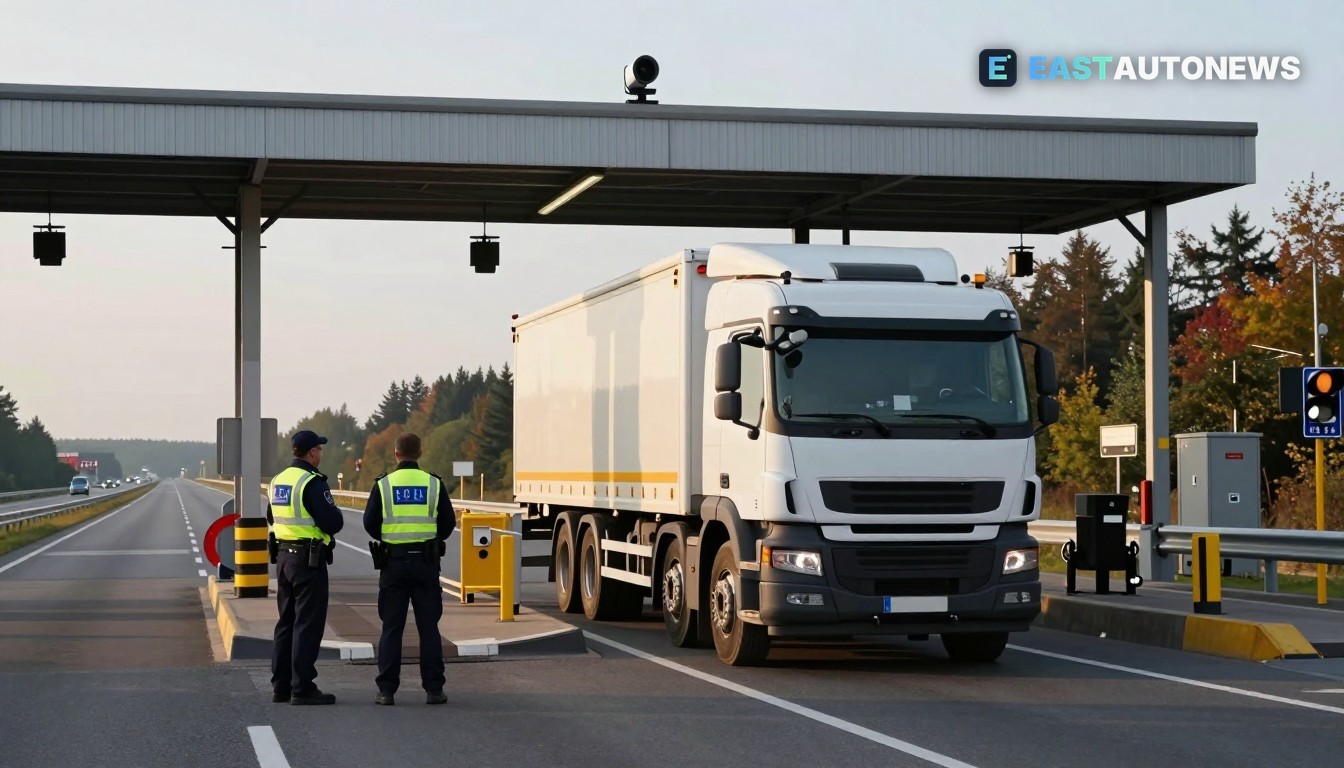
The European Commission has stepped up enforcement of the EU’s revised road‑charging rules by opening infringement procedures against several member states, including all three Baltic countries. The Commission’s November infringements package (issued 19 November 2026) sent letters of formal notice and reasoned opinions to a group of states for failing to correctly transpose or apply Directive (EU) 2022/362 — the so‑called Eurovignette rules on tolls and vignettes.
What the Commission says
The Commission’s package names a set of countries that must address shortcomings in national laws and practice; Estonia, Latvia and Lithuania are among those contacted in the November round. The cases form part of a wider set of actions that also include letters to Croatia, Czechia, Romania, Slovenia, Slovakia and Portugal, and a reasoned opinion to Latvia in a more advanced stage. Member states have two months to respond to the letters of formal notice before the Commission considers issuing a reasoned opinion or taking the matter to the Court of Justice of the European Union.
In its statement the Commission highlighted examples of the legislative and implementation gaps it finds across the affected countries rather than setting out a single, country‑specific charge sheet. Those examples include: (1) the obligation to apply a common methodology for calculating infrastructure charges on heavy goods vehicles; (2) the duty to offer proportionate passenger‑car vignettes, including a one‑day vignette; and (3) the requirement that tolls on heavy vehicles be differentiated according to CO2 emissions to create a price signal favouring cleaner fleets. The Commission stresses that the infringement letters do not in themselves change national tariffs or invalidate existing vignettes.
Immediate industry reactions
Logistics and cross‑border transport groups in the region say enforcement will raise legal and planning uncertainty while national governments reply to Brussels. Baltic policy analysts note the decisions reflect closer scrutiny of national toll and vignette designs as the EU pushes to internalise external costs of road transport. For operators, the practical points to watch are whether countries add shorter‑duration vignettes, change calculation methods for heavy‑vehicle infrastructure charges, or introduce CO2‑differentiated toll bands — all steps that alter route economics.
What this means for the market
For carmakers, dealers and logistics providers in Central and Eastern Europe the Commission’s move matters for three reasons. First, harmonised Eurovignette implementation changes cross‑border operating costs for rental fleets, delivery services and dealers moving vehicles across borders — costs which feed into pricing, aftersales and transport planning. Second, CO2‑differentiated tolls accelerate the operating cost advantage for cleaner commercial vehicles and could speed fleet renewal among hauliers that serve CEE manufacturing and export corridors. Third, digitisation and enforcement of vignettes (as several member states move to e‑vignettes) require updated back‑office processes and telematics integration for fleet managers. The Commission gives national authorities two months from 19 November 2026 to reply; until then legal obligations at the roadside remain unchanged.
WorldTrader24 B2B vehicle marketplace for dealers →
Sources: European Commission (November infringements package / summary), Baltic Focus.