From Riga, the most consequential document in the automotive business right now is not a product launch or a sales chart. It is the fine print of the European Union's 'Made in Europe' plan - and for anyone supplying parts from the Baltics, it answers the question that decides where orders flow: what, precisely, counts as a European car?
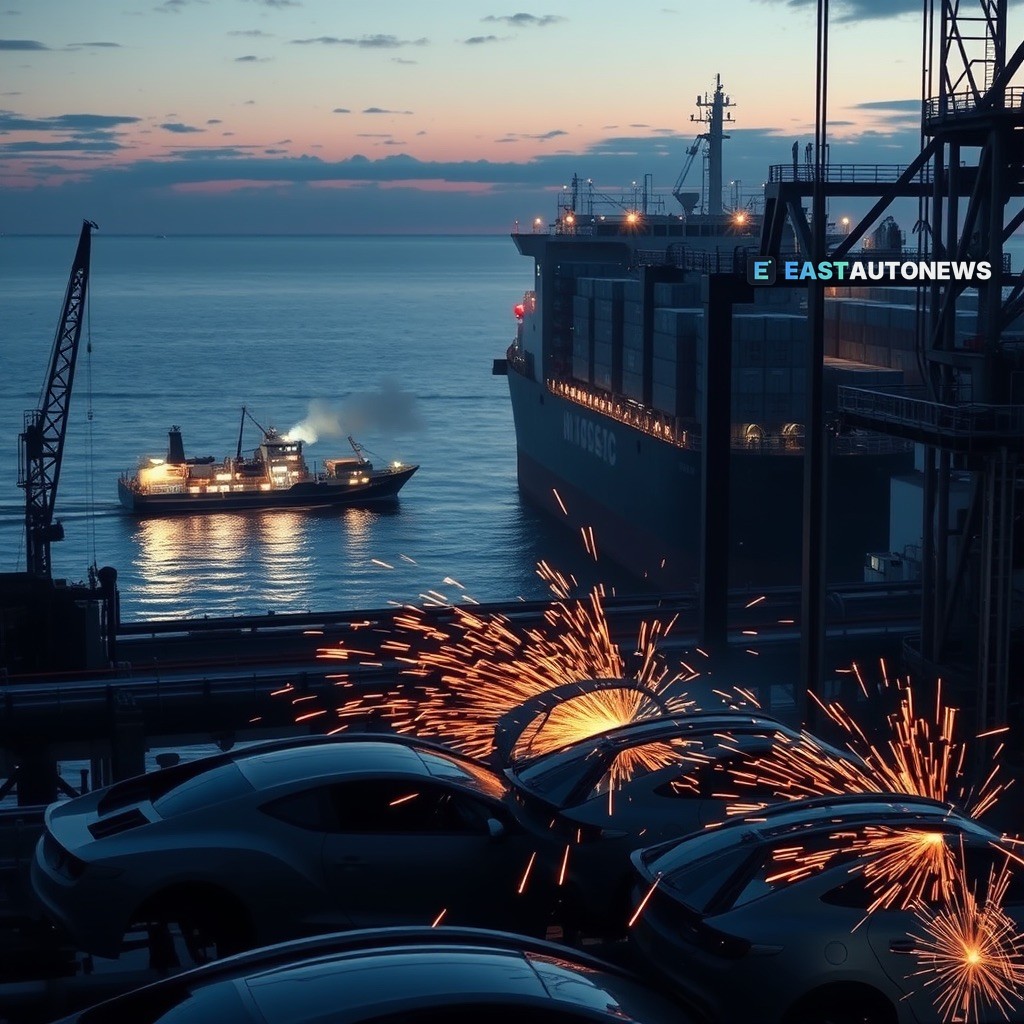
The mechanics of the plan, pushed by Germany and France, are blunt. Cars imported from Japan would not qualify for EU subsidies. Models built in France, Portugal and Eastern Europe would benefit - but only if enough of their parts come from Europe. That single condition redraws the continent's supplier map, and by the plan's own logic, parts shipped from Latvia land on the right side of the ledger: Latvian content is European content, while rivals sourcing from far outside the bloc face the wall.
Yet the same rules that flatter the map are rattling the industry. Global auto suppliers warn that the local-content push raises costs and competitiveness concerns, forcing supply chains engineered for border-hopping, just-in-time sourcing to be re-anchored inside Europe - or shut out of subsidy-backed programs entirely. For procurement chiefs, 'enough European parts' has become an arithmetic problem measured in invoices rather than slogans.
The strain reaches deep into the industry's heartland. Stuttgart, which for decades ranked among Germany's wealthiest cities thanks to Mercedes-Benz, Porsche and a dense web of automotive-component suppliers, is experiencing a severe budget crisis. When the industry's core is tightening its belt, cost pressure tends to travel east - toward competitive production locations where Latvia and its Baltic neighbors fight for every contract.
Which is why the stakes in Riga are sharper than the country's size suggests. If 'Made in Europe' subsidies flow to vehicles assembled in Eastern Europe, the test is whether parts orders follow - or whether they pool around the region's biggest assembly hubs while smaller supplier nations watch from the sidelines. For Latvia, the plan is both an invitation and an exam: the geography is favorable, but the fine print still has to prove it notices the Baltics.
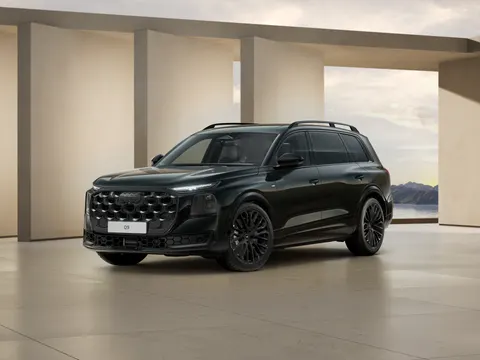
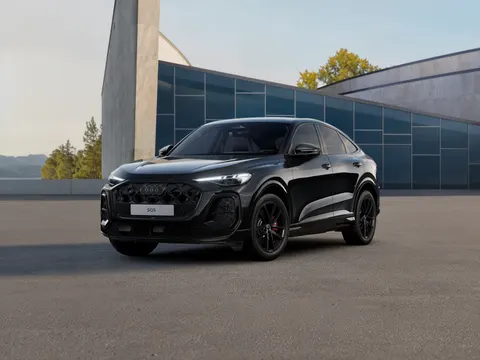
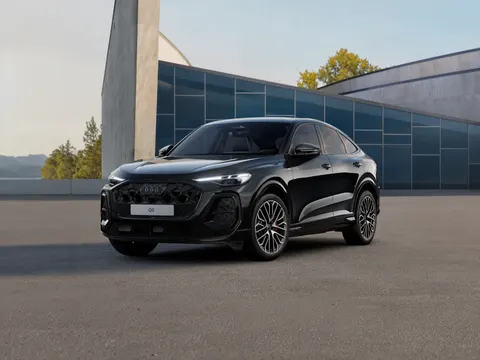
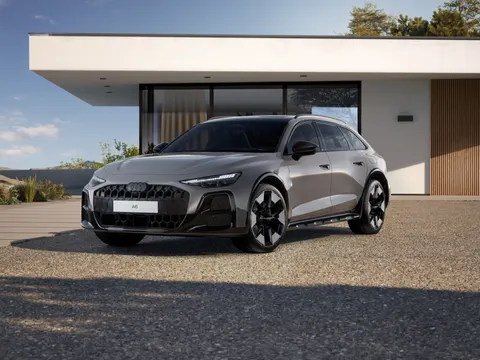
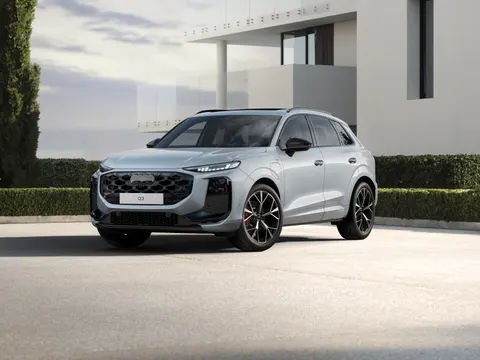
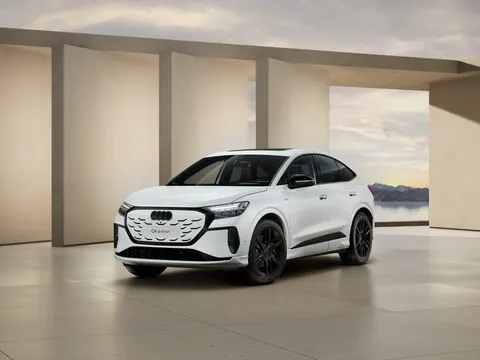
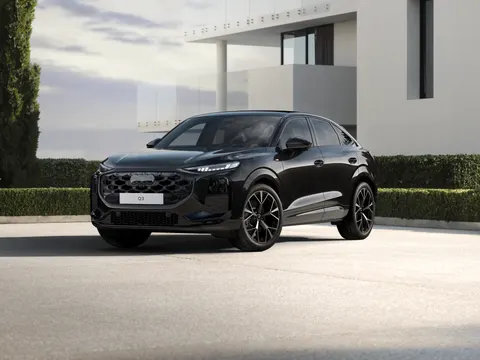
Where a car is built matters to Brussels; to buyers, the deal matters most. Anyone searching for a vehicle - European-built or otherwise - can find sensational cars at sensational conditions at WorldTrader24, Europe's marketplace with over 70,000 vehicles.